








Introduction:Turkish coffee is renowned for its unique brewing method and rich flavor, yet many are puzzled by its unfiltered preparation. This article delves into the extraction mechanism of Turkish coffee, exploring everything from grind size and brewing steps to flavor characteristics. It explains why this ancient method retains coffee grounds and examines the cultural significance and flavor philosophy behind it, helping you better appreciate this distinctive coffee.
With its intense, exotic flavors and unique coffee-ground fortune-telling culture, Turkish coffee holds a special place in global coffee culture. However, in today’s trend toward clean, refined specialty coffee, the practice of drinking coffee along with its grounds often makes many coffee enthusiasts hesitant or even averse. So why doesn’t Turkish coffee filter out the grounds? What are the unique aspects of its brewing method and flavor profile? This article will analyze the uniqueness of Turkish coffee from multiple angles—brewing techniques, coffee grind fineness, and extraction principles—and guide you through the flavor philosophy behind this ancient beverage.
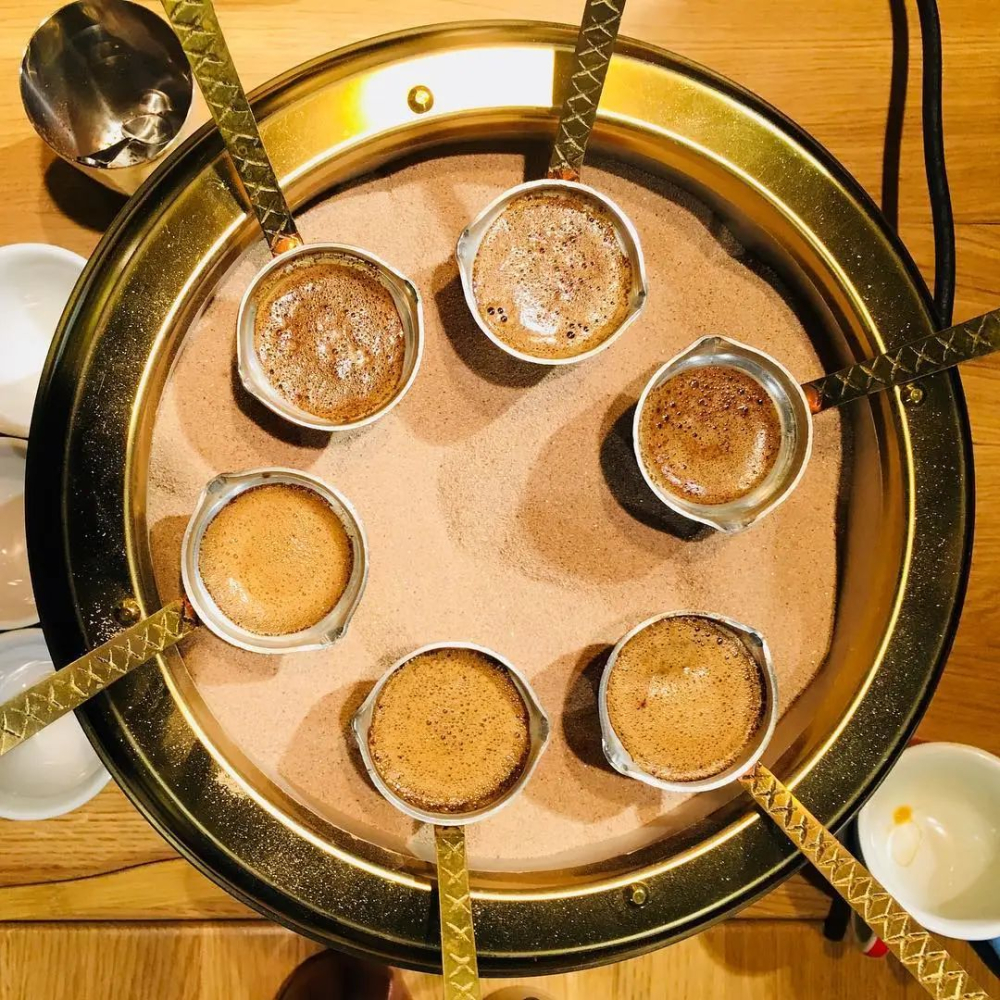
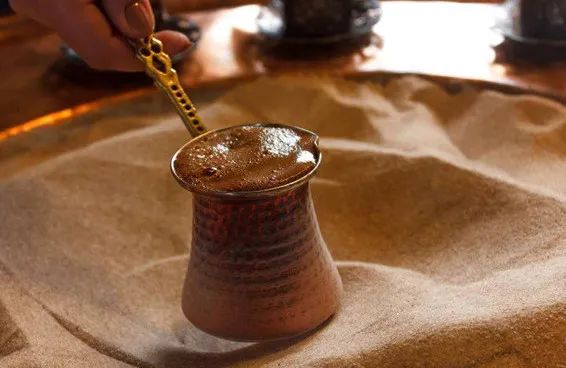
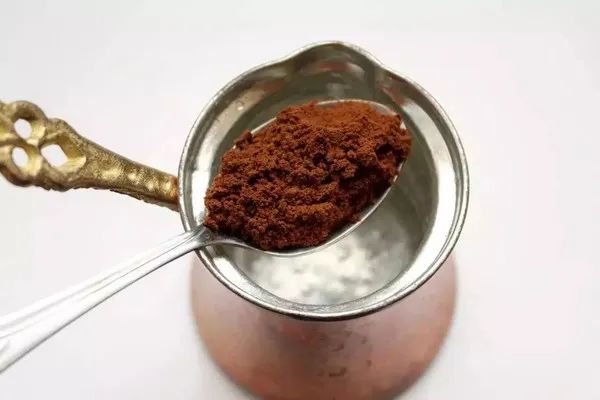
The brewing method of Turkish coffee is highly distinctive, using a small copper or tin pot called a “cezve.” This utensil conducts heat evenly, making it ideal for slow simmering over low heat. Unlike modern drip or pour over coffee, Turkish coffee skips the filtration step—instead, extremely finely ground coffee is mixed directly with water and brought to a boil, allowing the coffee grounds and water to fully meld before being poured, grounds and all, into the cup.

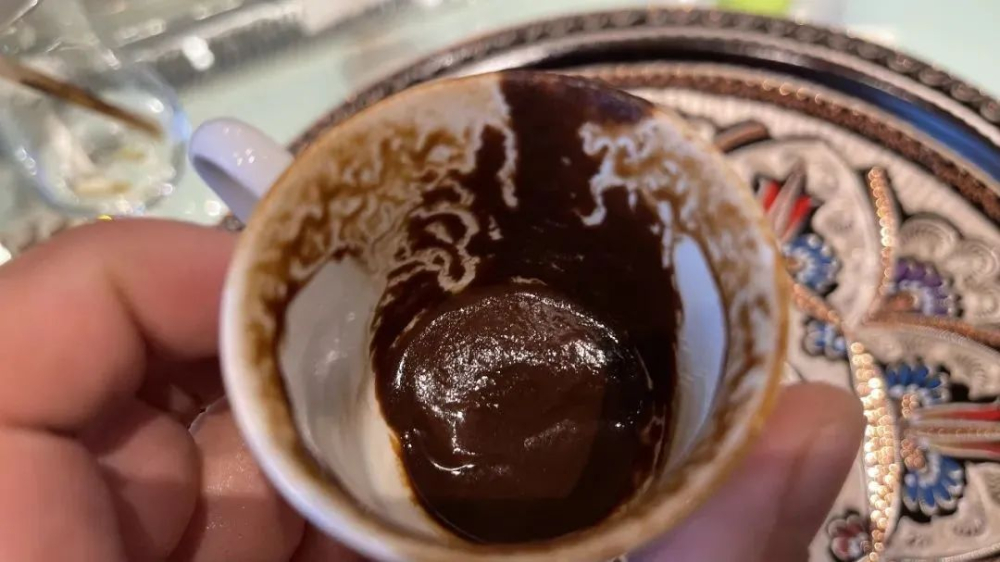
The logic behind this brewing approach stems from both tradition and culture. The coffee used in Turkish coffee is typically ground to an extremely fine consistency, almost like flour. This fine grind allows a large amount of flavor compounds and aromatic substances to be released in a short time. Without a filter, these tiny coffee particles remain at the bottom of the cup, creating a unique layered mouthfeel. Some drinkers even enjoy the slight sediment at the base.
In terms of extraction parameters, Turkish coffee is usually brewed at near-boiling temperatures (around 90–96°C) for a brief period. This high-temperature, short-duration extraction quickly draws out the coffee’s acidic compounds, aromatic molecules, and oils, but it can also extract some bitter components. Therefore, controlling the brewing time is crucial—over-boiling leads to over-extraction, making the coffee overly bitter and murky.

The flavor profile of Turkish coffee is bold, featuring a strong spice sensation, a deep body, and a lingering aftertaste. These characteristics come from its unique brewing method and the retention of coffee grounds, which preserve the coffee’s oils, fine particles, and aromatic substances. Many drinkers describe the mouthfeel as velvety smooth, with subtle smoky and caramel notes, accompanied by a slight sediment feel that adds depth and interest to the experience.
It’s worth noting that the cultural significance of Turkish coffee far exceeds its function as a beverage. In many Middle Eastern and Balkan regions, drinking Turkish coffee is not just a daily habit but also a social ritual. After finishing the coffee, many people use the grounds at the bottom of the cup for fortune-telling, predicting the future or interpreting fate. This custom makes Turkish coffee not just a drink, but a cultural experience.
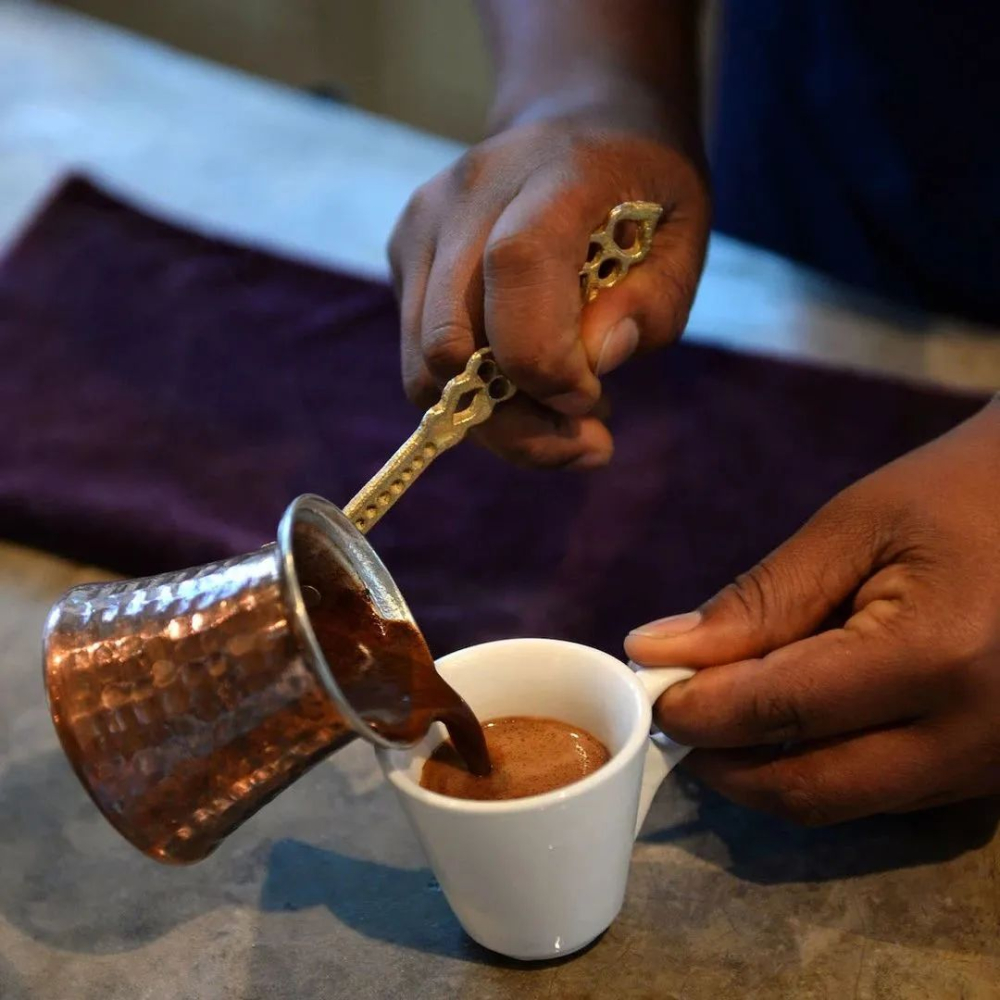
For those trying Turkish coffee for the first time, it’s recommended to start with a small amount and pay attention to heat control during brewing to avoid over-boiling, which can result in excessive bitterness. Additionally, choosing high-quality Arabica beans can enhance the overall flavor. A medium-dark roast is suggested to bring out richer aromas and layers of taste. Although the unfiltered drinking method may feel unfamiliar, it’s precisely this unique approach that creates the irreplaceable charm of Turkish coffee.
The above content is compiled by CoffeeHunters, a coffee news website.


