







Introduction:After switching to a different pour over dripper, do your original brewing parameters still work? What’s the ideal brew time to aim for? This article delves into the relationship between dripper shape and water flow rate, using comparative brewing tests to reveal that the core purpose of adjusting parameters is not to hit fixed numbers, but to optimize the taste of the coffee. It also provides a reference ranking of flow rates for common drippers to help coffee enthusiasts develop more flexible brewing strategies.
Many coffee lovers often face a common dilemma after switching drippers: Are their usual pour over parameters still suitable? Especially when it comes to brew time—what’s a reasonable duration? The key to these questions lies in understanding the differences in dripper shape and water drainage speed. This article combines actual brewing test data to compare the performance of the V60 and flat-bottomed cake drippers under the same parameters, explaining that the true purpose of adjusting parameters is to serve ideal coffee flavor—not to rigidly adhere to specific values. We’ll also share a reference ranking of flow rates for common drippers to help you better grasp the relationship between dripper characteristics and brew time.
A coffee enthusiast once asked this question: He was using a flat-bottomed cake dripper, which is different from his usual V60—so did he need to readjust his brewing parameters? What should the brew time be set to for it to be considered correct? This question actually reflects a common confusion many people have when switching drippers.
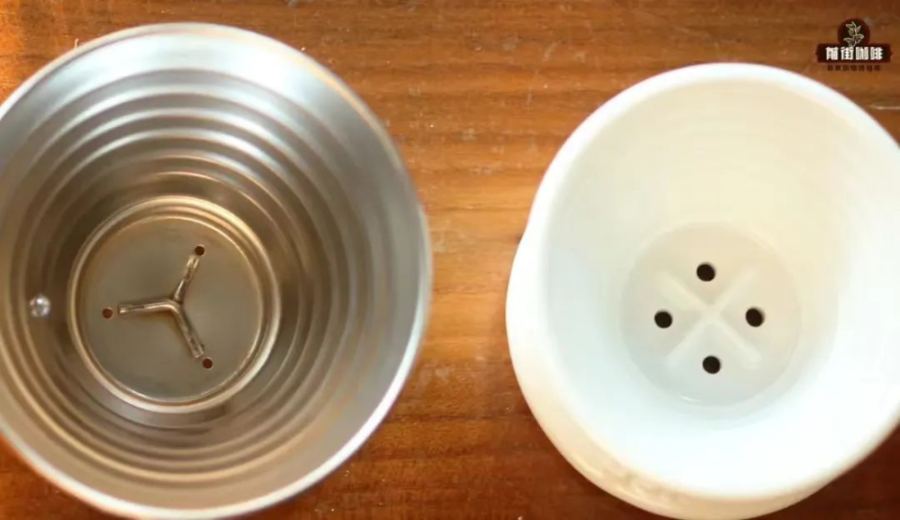
From the perspective of dripper shape, they can generally be categorized into three main types: trapezoidal (fan-shaped), conical, and flat-bottomed (cake). When setting up brewing parameters, water drainage speed is one of the most critical factors to consider. Some drippers are designed with faster flow rates, which can highlight the rich and layered flavors of coffee—such as the V60 and its derivatives, the Icep, Origami, Streamline, Stellar, and B75 drippers.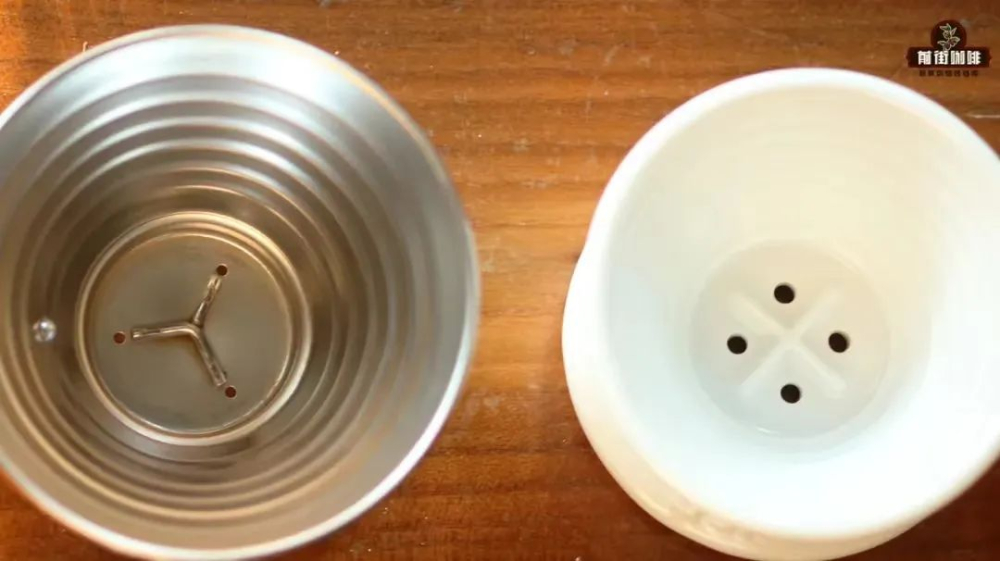
In contrast, other drippers are designed with slower flow rates, using an immersion-style brewing process to achieve more even extraction of coffee grounds, thereby delivering a balanced and full-bodied flavor profile. These include fan-shaped drippers, the Kono dripper, the Infinity dripper, and flat-bottomed drippers—though it’s worth noting that the drainage speed of flat-bottomed drippers mainly depends on the total surface area of the drainage holes.
Here’s a reference ranking of water drainage speeds for common drippers based on actual testing, for your convenience: B75 > Streamline ≥ Stellar > Icep > V60 ≥ Origami > Flat-bottomed Cake (3-hole) > Kono > Kalita Fan (3-hole) > Infinity Dripper > Mellita Fan (single-hole).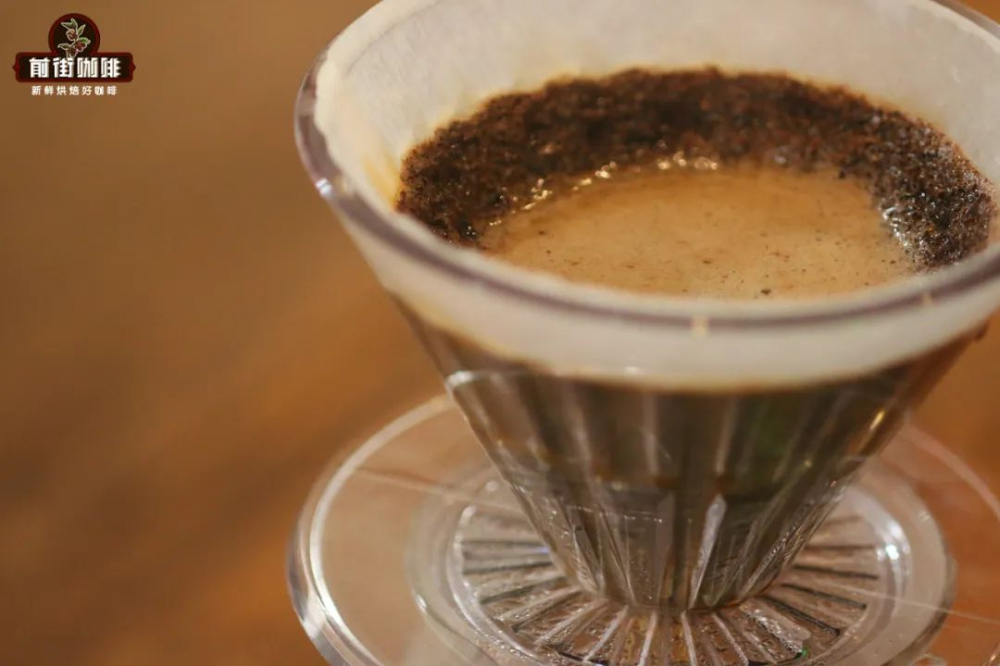
Returning to the original question: If you’re using a flat-bottomed cake dripper but applying the same parameters as you would with a V60, is that appropriate? Do you need to adjust the parameters or brewing method? And what should the brew time be set to?
The answer is, the same parameters will yield noticeably different flavor results when used with different drippers. Take the comparison between the V60 and flat-bottomed cake dripper as an example—we conducted a practical brewing test using Huakui coffee beans with the following parameters: 15 grams of coffee grounds, 91°C water temperature, 80% grind size passing through a 20-mesh sieve, a 1:15 coffee-to-water ratio, and a three-stage pouring method.
The test results showed that the V60 dripper had a brew time of 2 minutes and 05 seconds, while the flat-bottomed cake dripper (3-hole) took 2 minutes and 30 seconds. In terms of flavor, the V60 produced coffee with intense fruity aromas, prominent berry juice notes, lively acidity, and a tea-like aftertaste reminiscent of black tea. On the other hand, the flat-bottomed cake dripper yielded coffee with a richer berry sweetness and acidity, a more pronounced sweetness overall, and a creamy-smooth mouthfeel, with a fermented fruit aroma in the aftertaste.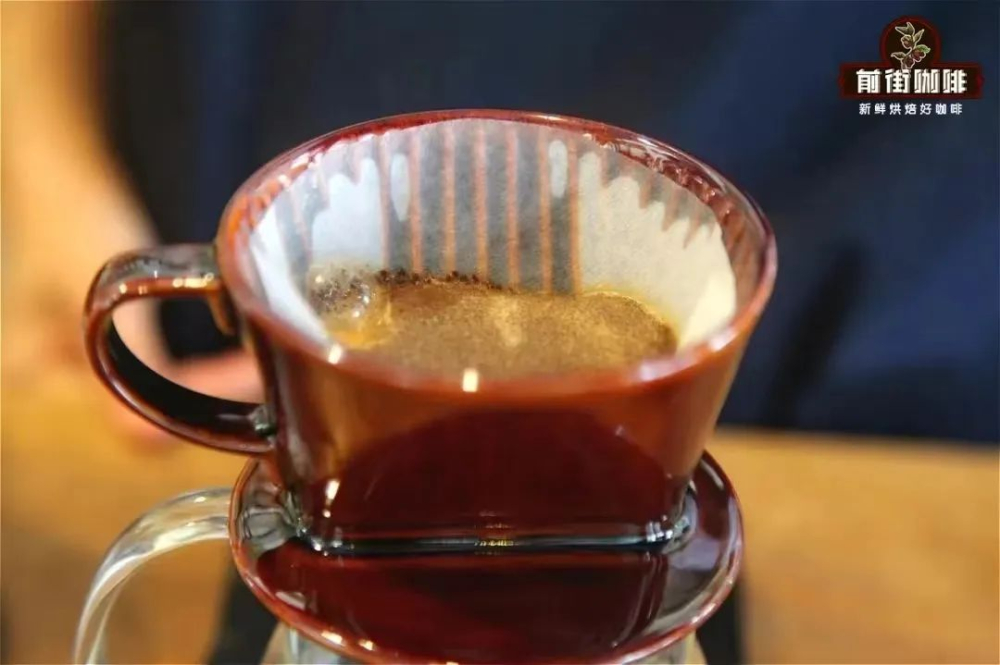
This shows that while the same brewing parameters can be applied across different drippers, the inherent characteristics of each dripper significantly affect the final brew time and flavor outcome. The advice some put forward—“try to keep brew time around 2 minutes, and avoid exceeding 2 minutes and 30 seconds”—is based on specific conditions using a V60 dripper, 15 grams of coffee, and a three-stage pour. If you switch to a slower-flow dripper, brew time will naturally increase.
So, what if you adjust the parameters to bring brew time down to 2 minutes? In our tests, we managed to shorten the flat-bottomed cake dripper’s brew time to 2 minutes by using a coarser grind and modifying pouring techniques. However, this adjustment led to overly sharp berry acidity, an overall lighter taste, and a loss of desired balance.
Therefore, the real goal of adjusting parameters is not to chase a specific time value, but to optimize the coffee’s flavor and mouthfeel based on actual brewing results. If your current brew time (say, 2 minutes and 30 seconds) already produces satisfying coffee flavor, there’s no need to deliberately tweak parameters or brewing methods. Ultimately, all adjustments should aim to enhance the drinking experience.
The above content is compiled by CoffeeHunters, a coffee news website.


