







Introduction:The Chinese chain coffee brand Luckin recently posted job listings for store management positions on a Singaporean recruitment website, with salaries ranging from approximately 19,000 to 25,000 RMB. This has sparked speculation about its strategic expansion into the Southeast Asian market. Coupled with the backdrop of counterfeit Luckin stores still operating in Thailand and the success story of the local budget brand Mixue, what strategic considerations lie behind this move? What potential and challenges does the Southeast Asian coffee market hold? This article outlines the sequence of events and analyzes the key information.
Recently, it was observed that Luckin Coffee posted recruitment information for positions such as store manager on JobStreet, a major Singaporean job platform, listing salaries of about 3,800 to 4,900 Singapore dollars (approximately 19,000 to 25,000 RMB). The job descriptions did not emphasize experience requirements and promised systematic training. In addition to store manager positions, marketing, project management, and senior engineer roles were also announced. The logic behind these job offerings suggests that if Luckin establishes its first foothold in Singapore, it may further expand into other parts of Southeast Asia.
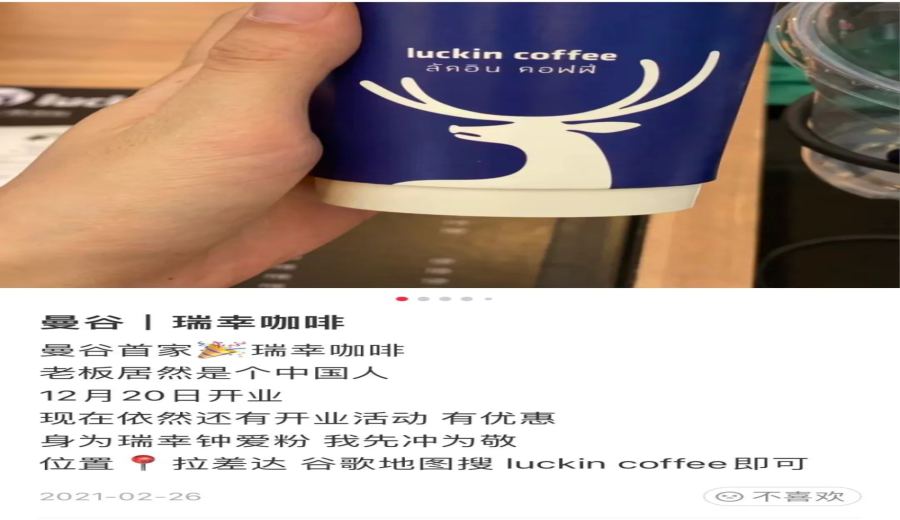
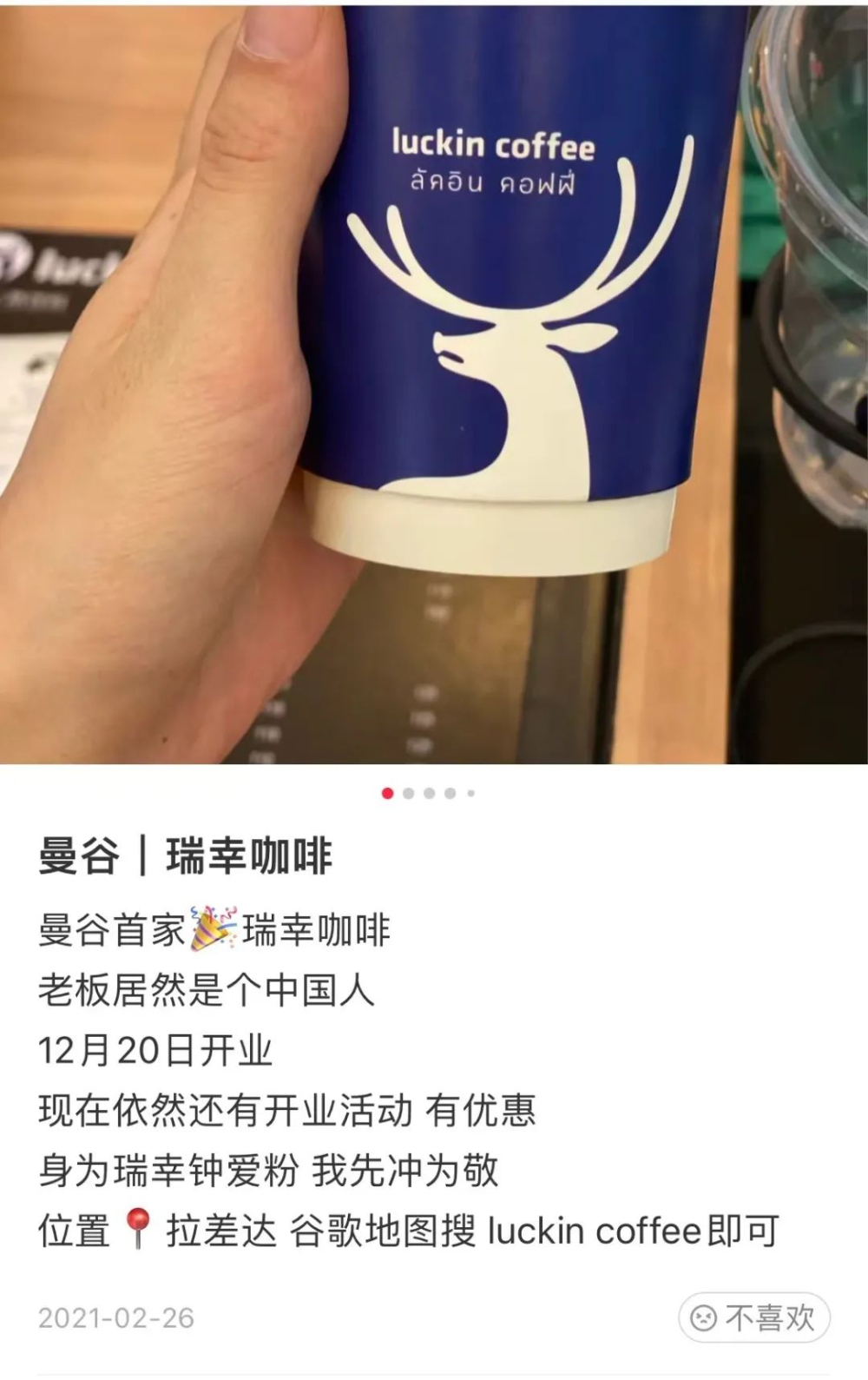
This recruitment activity is seen as a key signal that Luckin may be entering the Southeast Asian market—in fact, this is not the first time a Chinese coffee brand has drawn attention in the region. As early as the end of 2020, a so-called “Luckin Coffee” store operated by Chinese individuals appeared on the streets of Bangkok, Thailand. According to local netizens, the store officially opened in late December 2020, with an appearance highly similar to domestic Luckin outlets, attracting many customers for photo opportunities. After the news spread back to China, Luckin officials quickly clarified that there were no officially authorized stores in Thailand and pointed out that the outlet was counterfeit, taking legal action to protect their rights.
Despite the brand’s clear statement and legal measures, this counterfeit store remains in normal operation to this day.Its official Facebook page recently launched a New Year promotion, and it even has a dedicated official website.This reflects the local market’s acceptance and high demand for the “Luckin” brand. Perhaps sensing this phenomenon, Luckin’s recent moves in the Southeast Asian talent market appear even more intriguing.
From the details of the JobStreet listings, Luckin has relatively relaxed experience requirements for the Singapore store manager position, placing more emphasis on support from its subsequent training system. This strategy is typically suitable for the initial phase of rapid market expansion. Judging comprehensively in light of its simultaneous opening of multiple functional positions, Singapore may just be the starting point for Luckin’s Southeast Asian layout, with potential coverage of broader regional markets in the future.
Notably, the Southeast Asian coffee market has seen significant growth in recent years, with consumers placing higher importance on cost-effectiveness and hygiene standards than on a single “specialty” label. Taking Thailand as an example, the local budget brand Mixue has successfully entered the market with a low-price strategy (some drink prices can compete with street vendors) and relatively standardized store environments, becoming one of consumers’ daily choices. This case suggests that if Chinese chain brands wish to establish a presence in the region, they need to balance price competitiveness and service standardization—two core elements.
Currently, Luckin officials have not made any official statements regarding the Singapore recruitment plan or its Southeast Asian market layout. However, judging from the logic behind the job position offerings, the market feedback from past counterfeit incidents, and the Southeast Asian consumer trend favoring high-cost-performance coffee, if Luckin ultimately chooses to enter the region, it will face challenges from both established local brands and emerging competitors, while also potentially gaining development opportunities through its mature operational model and brand recognition. Future developments are worth continued attention.
The above content is compiled by CoffeeHunters, a coffee news website.


