







Introduction:In the post-pandemic era, the coffee market has undergone rapid restructuring. New entrepreneurs often mistakenly believe that "sentiment" alone is enough to sustain a café business. This article dissects the full-chain strategy—from selecting a commercial location and understanding consumer behavior to designing product structures—combining actual operational data to reveal the survival rules of specialty coffee shops and internet-famous cafés. It also offers concrete advice on bean selection, equipment configuration, and improving customer retention.
The coffee industry has experienced structural adjustments in the post-pandemic period. Many idealistic entrepreneurs have prepared to open coffee shops but often underestimate the complexity of running a café. In fact, successful coffee operations require not only mastery of coffee flavor and brewing techniques but also systematic business thinking. From market segmentation analysis and cost structure planning to brand positioning and customer experience design, every step affects the long-term viability of the shop.
According to consumption behavior reports from market research institutions, the main coffee-consuming demographic in China is concentrated between the ages of 20 and 34, with the 25 to 29 age group being the most prominent. Notably, over 70% of this group have developed a daily caffeine intake habit, but their consumption mostly takes place in office environments or while on the move, rather than in traditional leisure-style coffee spaces. This data directly challenges the previous business model that relied heavily on "atmosphere creation."
During the actual store preparation phase, detailed commercial district research is crucial. Potential operators are advised to analyze the density of competing stores within a 3-kilometer radius, the range of average per-customer spending, and the distribution of peak foot traffic hours. For example, shops in office areas should prioritize takeout efficiency and value-for-money single items, while those in residential areas might consider adding seating areas and comfortable facilities. At the same time, the layout should balance barista operation efficiency and customer service flow, avoiding confusion caused by intersecting brewing and serving routes.
Product structure design is key to market differentiation. The specialty coffee route emphasizes the flavor characteristics of coffee bean varieties and the consistency of brewing techniques, typically requiring a stable supply chain of green beans and a reliable roasting partnership. In contrast, internet-famous cafés may attract Customers through visual design and themed settings, but they must convert short-term exposure into actual repeat purchase rates. Regardless of the chosen positioning, raw material quality control and equipment maintenance standards directly affect the customer experience—for example, the stability of extraction parameters, the temperature control of milk frothing, and other details all reflect professionalism.
In terms of marketing strategy, social media management needs to be closely integrated with the shop’s unique features. For shops that focus on pour-over single origins, short videos of the brewing process can showcase technical details; meanwhile, coffee and dessert pairings are well-suited for visual appeal. The focus should be on establishing a clear brand narrative that helps customers understand the value proposition, rather than relying solely on discount promotions. Additionally, membership systems and punch card mechanisms can effectively increase customer revisit frequency. It is recommended to design differentiated benefits based on consumption frequency.
Many startups easily fall into the trap of "running on passion," neglecting basic financial planning. It is advisable to reserve at least six months of operating working capital and to carefully calculate the actual cost structure of each beverage, including raw material loss rates, packaging, and energy expenses. At the same time, regularly analyze the sales ratio of best-selling and slow-moving items, and adjust the menu accordingly. Notably, revenue fluctuations during the afternoon period often determine overall profitability, so designing suitable light meal combinations or afternoon tea options can effectively fill this low point.
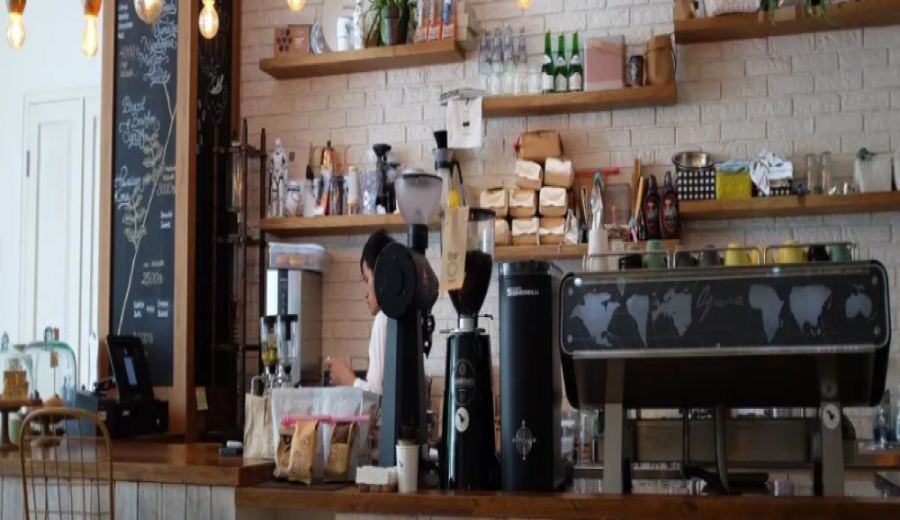
In terms of equipment investment, the stability of semi-automatic coffee machines and the grinding precision of grinders are key reference indicators. For shops with a daily output of more than 100 cups, it is recommended to choose a commercial-grade dual-head machine and configure backup equipment. The bar counter space should allow for sufficient operating area and arrange equipment locations according to common workflows, such as placing frequently used dosing pitchers and milk pitchers within easy reach. These details may seem trivial, but they are an important foundation for maintaining service efficiency and product quality.
The above content is compiled by CoffeeHunters, a coffee news website.


