







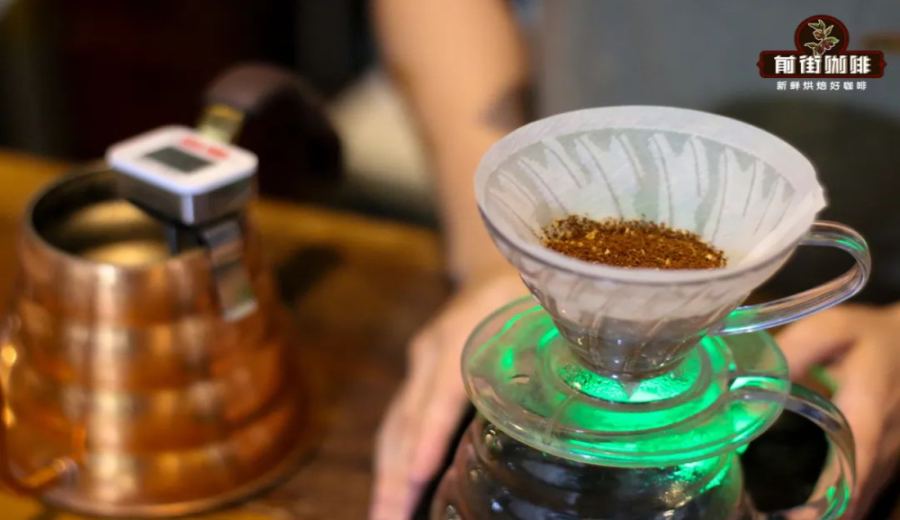
Introduction:As winter temperatures drop, pour over coffee often suffers from insufficient brewing water temperature, leading to a loss of flavor with sweetness and body significantly diminished. This article delves into how ambient temperature affects the actual extraction temperature of the coffee bed, provides a scientific basis for adjusting water temperature, and shares several practical heat retention tips to help coffee enthusiasts consistently brew well-balanced, complex pour over coffee even in cold seasons.
As the weather turns cooler, many pour over enthusiasts notice that even when using familiar brewing parameters, the resulting coffee tastes thin and noticeably lacks sweetness. This is often closely related to subtle changes in water temperature. Especially in cold environments, heat dissipates more quickly, causing the actual extraction temperature of the coffee bed to be lower than expected, which in turn affects flavor expression.
A common issue is the discrepancy between the water temperature we set (for example, 91°C shown on the kettle) and the actual extraction temperature the coffee bed is exposed to. This is because the water stream, after leaving the kettle spout, first comes into contact with the cooler surrounding air before entering the coffee bed at room temperature, inevitably losing some heat during the process. In addition, throughout the roughly two-minute brewing period, both the pour over kettle and filter cone continue to lose heat, further reducing the temperature of the coffee bed.
According to measured data, in summer conditions, when the initial water temperature is set to 90°C, the coffee bed temperature during the main extraction phase after the bloom typically stays between 86.2°C and 84.5°C. However, in winter, using the same starting water temperature of 90°C, the measured extraction temperature range drops to between 85.1°C and 83.8°C, showing a clear overall decrease. This difference is directly reflected in the coffee’s flavor profile, with acidity becoming more pronounced while body and complexity are weakened.
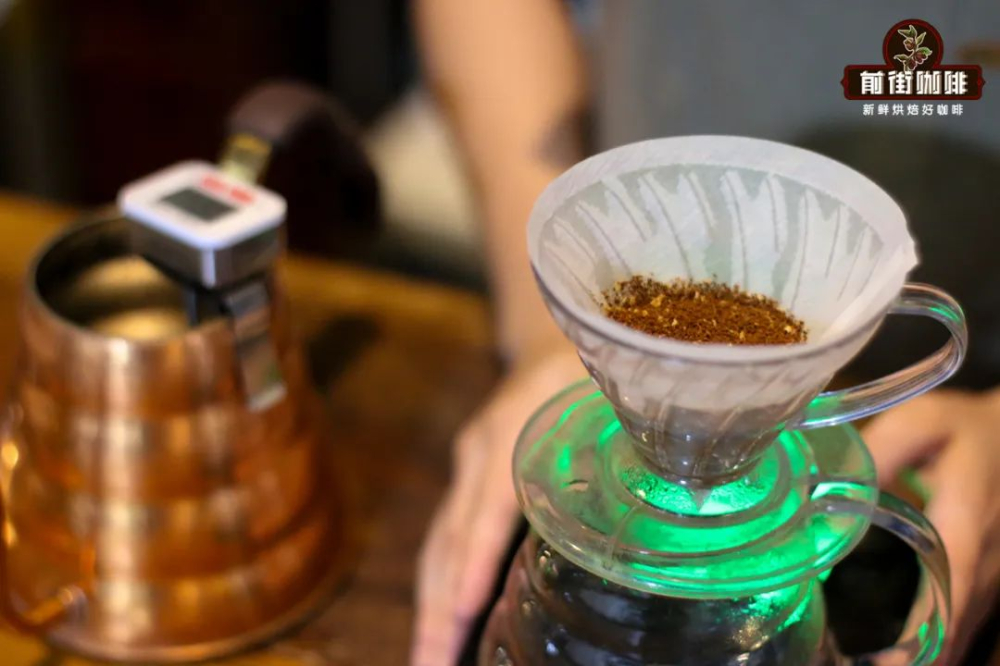
To tackle the temperature challenges of winter, adjusting the water temperature is the most direct and effective solution. It is recommended to moderately increase the pouring water temperature—usually by about2°C—to achieve noticeable improvement. For example, if you normally use 91°C water for pour over, consider adjusting to93°Cin winter to compensate for heat loss.
In addition to adjusting water temperature, heat retention measures during the brewing process are equally crucial. First, it’s advisable to cover the kettle with its lid before pouring to reduce heat loss from inside. If the kettle spout is relatively cool, you can pour out a small amount of hot water beforehand to preheat it, preventing the brewing water from experiencing a sudden temperature drop upon contact with the spout. Also, when pouring, control the height of the water stream—too high a pour increases the surface area exposed to air, accelerating heat loss. It’s generally recommended to keep the stream height at3–5 centimeters, ensuring a stable flow while effectively minimizing heat loss.
Another often overlooked detail is to pour continuously and evenly, avoiding long pauses, which reduces the coffee bed’s exposure to air and further maintains the stability of extraction temperature. At the same time, choosing a pour over kettle and filter cone with better insulation properties can also help slow heat loss to some extent, aiding in temperature control throughout the brewing process.
In summary, the key to adjusting pour over coffee flavor in winter lies in understanding the interaction between water temperature and ambient temperature, and through scientific parameter adjustments and practical heat retention techniques, ensuring the coffee bed is extracted within an ideal temperature range. By mastering these points, even in cold seasons, you can easily brew coffee that is rich in flavor and full of complexity.
The above content is compiled by CoffeeHunters, a coffee news website.


