







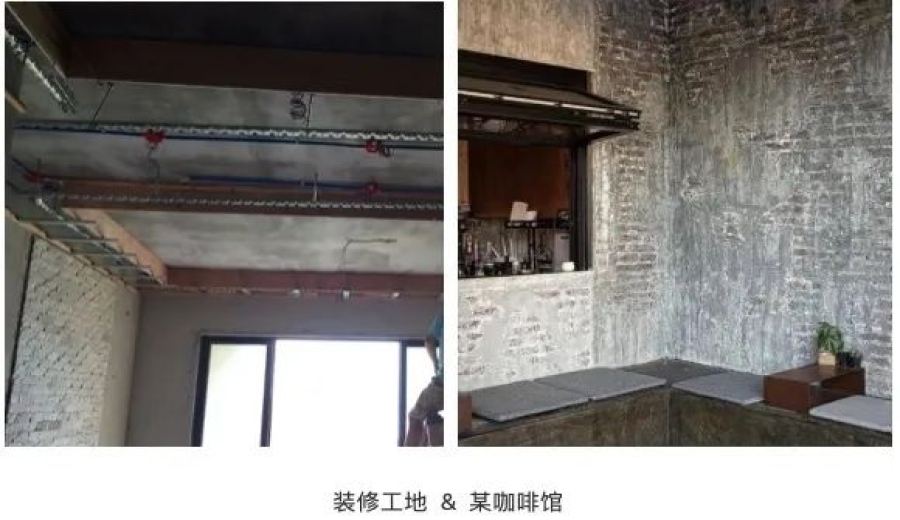
Introduction:In recent years, construction site-inspired aesthetics—characterized by concrete gray tones and exposed steel—have emerged as a key trend in café interior design, chosen by many brands to craft distinctive spaces. From Blue Bottle Coffee to Hangzhou’s Forêt Café, such designs not only evoke an industrial ambiance but also offer tranquil urban retreats. This article delves into the evolution of this style, highlights classic examples, and explores the psychological appeal and branding strategies behind its consumer allure.
In contemporary café spatial design, an industrial aesthetic based on concrete gray, paired with exposed steel and red brick walls, is gradually gaining traction, becoming a top choice for brands seeking to establish a unique façade. Dubbed the "construction site style," this design not only presents a visual contrast between minimalism and ruggedness but also cultivates a distinctive sense of calm within urban environments.
From Blue Bottle Coffee’s inaugural attempt at its Zhang Yuan branch in Shanghai to Forêt Café on Hangzhou’s Beishan Street, an increasing number of coffee brands have transformed these "construction site-like" elements into a recognizable aesthetic language. Particularly on social platforms, discussions about industrial-style cafés continue to gain momentum, with related content amassing over 200,000 notes on Xiaohongshu, underscoring its popularity.
Such spatial designs typically adhere to principles of minimalism and brightness, emphasizing the texture of raw materials by minimizing superfluous decoration, thereby creating a visually distinctive experience. In the hustle and bustle of urban life, such cafés often provide a quiet corner where one can momentarily escape the clamor, helping to alleviate stress and anxiety.
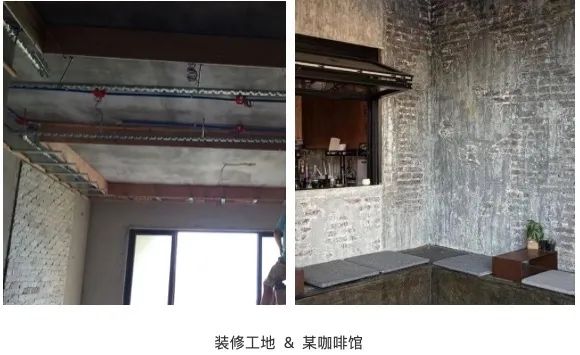
Take Blue Bottle Coffee’s Zhang Yuan branch as an example: the renovation preserved the original building’s atrium brick walls and door-window structures, seamlessly integrating these elements into the overall design. This approach not only retained historical traces but also offered customers a highly picturesque backdrop for photos, making it a popular check-in spot on social media.
In terms of spatial ambiance, the branch centers on a simple, bright design ethos, leveraging an open layout and natural lighting to foster a serene and comfortable environment. Many customers report that even setting aside the coffee itself, simply sitting in such a space can evoke a rare sense of tranquility.
Another representative example is Forêt Café at 29 Beishan Street in Hangzhou. Building upon the industrial foundation, this café incorporates additional elements like iron doors and windows, crafting a unique atmosphere that has even been described as prison-style in design. The space is divided into two levels: the first floor retains the industrial motif, while the second transitions to French-style decor, creating an intriguing contrast.
This café similarly uses red brick walls and exposed reinforced concrete as its primary visual elements, relying on minimal embellishment to make every detail a part of the industrial aesthetic. This design approach not only highlights the inherent texture of the materials but also delivers a refreshingly novel dining experience for customers.
Notably, just a few years ago, café interior styles were dominated by anime themes, pet cafés, or tech-inspired designs. Today, however, the industrial look—featuring concrete walls paired with exposed steel—has become an emerging trend. This minimalist design is rapidly proliferating across cities, with each iteration boasting distinct stylistic and positioning nuances, whether leaning toward industrial or artistic vibes, all reflecting modern youth’s pursuit of lifestyle aesthetics.
These uniquely designed cafés not only offer consumers novel consumption settings but also successfully attract a large clientele seeking individuality and experiential value. In these cafés that appear to be "construction sites under renovation," customers can not only savor coffee but also immerse themselves in a distinctly different way of life.
The above content is compiled by CoffeeHunters, a coffee news website.


