







Introduction:As the world’s largest coffee-producing country, Brazil’s inventory has dropped to its lowest level since the 1960s. Coupled with lower-than-expected Arabica production and a simultaneous sharp decline in Vietnam’s Robusta stockpiles, the imbalance between global coffee supply and demand has intensified. This article delves into the latest production and inventory data from Brazil and Vietnam, explores the key factors influencing global coffee prices, and highlights market trends that are worth watching for both consumers and industry players.
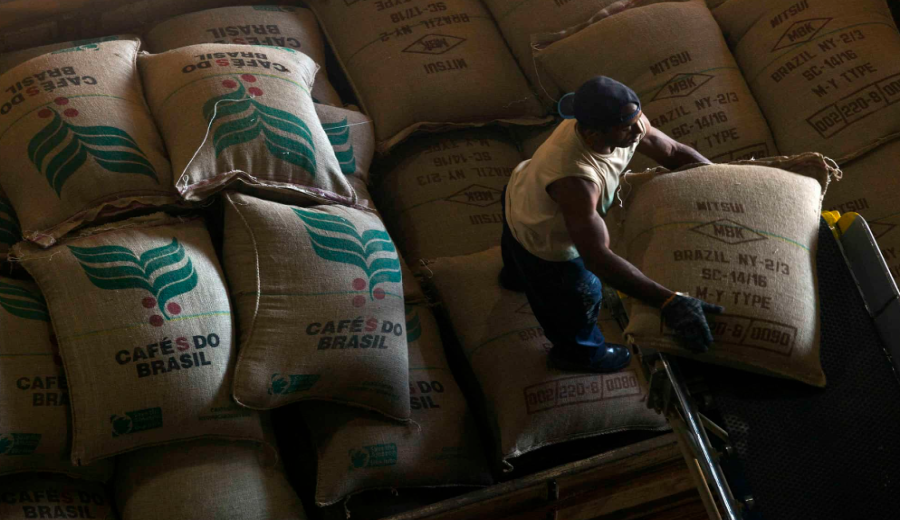
The global coffee market is facing unprecedented supply pressures, with Brazil’s situation being the most severe. As the largest producer, accounting for one-third of global coffee output, Brazil’s current coffee inventory has fallen to its lowest point since records began in the 1960s, putting the stability of international supply under significant strain.
According to survey data from Brazilian official agencies, the country’s total coffee production in the 2022/23 season reached 50.92 million bags (60 kg per bag), a 6.7% increase compared to the previous year. However, despite the production boost, severely depleted prior inventories and the need to replenish some stock meant that by the end of the 2021/22 season, only 540,000 bags remained — an 88% year-on-year plunge and a decades-low.
Notably, the latest forecast from the U.S. Department of Agriculture indicates that Brazil’s coffee exports for the 2022/23 season are expected to be 36.65 million bags, the lowest export level since the 2017/18 season. The main reason is that the 2021 harvest was hit by extreme weather events such as drought and frost, leading to nearly a 20% drop in output that year and creating a massive inventory gap that has yet to fully recover.
In terms of specific varieties, Brazil’s Robusta coffee performed relatively steadily, with production in the 2022/23 season rising 11.7% year-on-year to 18.2 million bags. However, the more market-favored Arabica variety, affected by ongoing drought and frost, fell short of the anticipated 48.7 million bags, ultimately totaling just 32.72 million bags — indicating a clear supply tightness.
Regionally, Brazil’s largest coffee-growing state, Minas Gerais, saw production dip slightly by 0.8% in 2023 to 22 million bags, while yield per hectare also declined by 4.6%, reaching only 21.6 bags per hectare. These figures reflect that even with a modest overall production increase, Brazil’s overall coffee supply still faces challenges.
Brazilian Arabica coffee is known for its rich flavors of cream, nuts, chocolate, and caramel, with a slightly bitter yet smooth taste. It is often the first type of coffee many beginners try and is also the most widely accepted variety in the market. However, this year’s lower-than-expected output may mean that the tight supply situation will not ease anytime soon.
Moreover, the inventory situation in Vietnam, the world’s second-largest coffee producer, is equally concerning. According to market traders, as of the end of September this year, Vietnam’s coffee stocks have been halved compared to the same period last year. As the world’s leading supplier of Robusta coffee, Vietnam’s rapid inventory depletion has further tightened the global Robusta supply.
Overall, the inventories of both major global coffee varieties — Arabica and Robusta — are on a downward trend, while consumption demand continues to rise. As the global economy gradually recovers from the pandemic, coffee consumption is only set to increase further, exacerbating the supply-demand imbalance and resulting in the largest supply gap seen in recent years.
Additionally, Brazilian authorities have pointed out that this year’s conversion rate of coffee cherries to green beans has been lower than the historical average, which may also be one of the reasons contributing to further market supply tightness. A low cherry-to-bean conversion rate not only affects the total supply of green beans but may also impact the final flavor profile and quality consistency of the coffee.
In summary, as a core supplier in the global coffee market, changes in Brazil’s production and inventory levels will directly influence the supply-demand balance worldwide. Should the supply shortage persist, major international coffee brands and distributors may further adjust their pricing strategies, and consumers may face higher coffee prices and fewer product options in the future.
The above content is compiled by CoffeeHunters, a coffee news website.


