







Introduction:Are your coffee beans not tasting as good because they've been sitting around too long? Don’t throw them out just yet. This article will teach you how to adjust your pour over parameters to bring out the best from not-so-fresh beans, and share three practical and eco-friendly ways to reuse coffee grounds—from deodorizing and cleaning to feeding your plants—so every bean can still be put to good use.
Maybe you bought too many and couldn't finish them in time, or perhaps an illness delayed your brewing routine, and before you knew it, your coffee beans had quietly passed their prime. Many coffee lovers face this dilemma: Can you still drink stale beans? What adjustments should you make when brewing them? And if they're past the expiration date, how can you reuse them in an environmentally friendly way? Drawing from real brewing experience, this article offers specific tips for brewing not-so-fresh beans and shares three tried-and-true methods for recycling coffee grounds.
While many coffee enthusiasts understand that “true coffee lovers wouldn’t let their beans go stale,” in reality, impulse buying during promotions or being unable to brew due to health issues can lead to realizing too late that the beans have lost their optimal flavor. So, is it still worth brewing these no-longer-fresh beans?
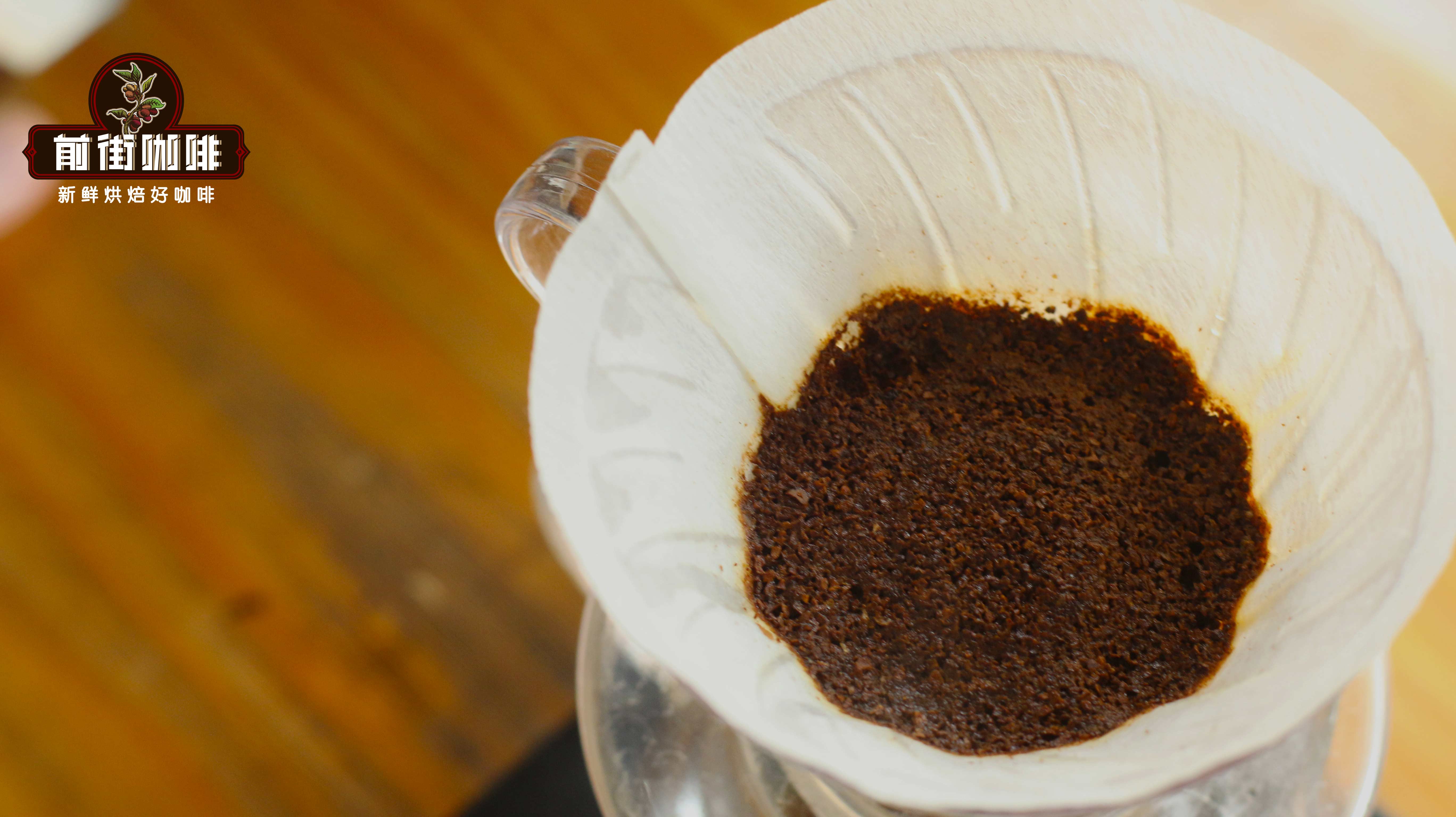
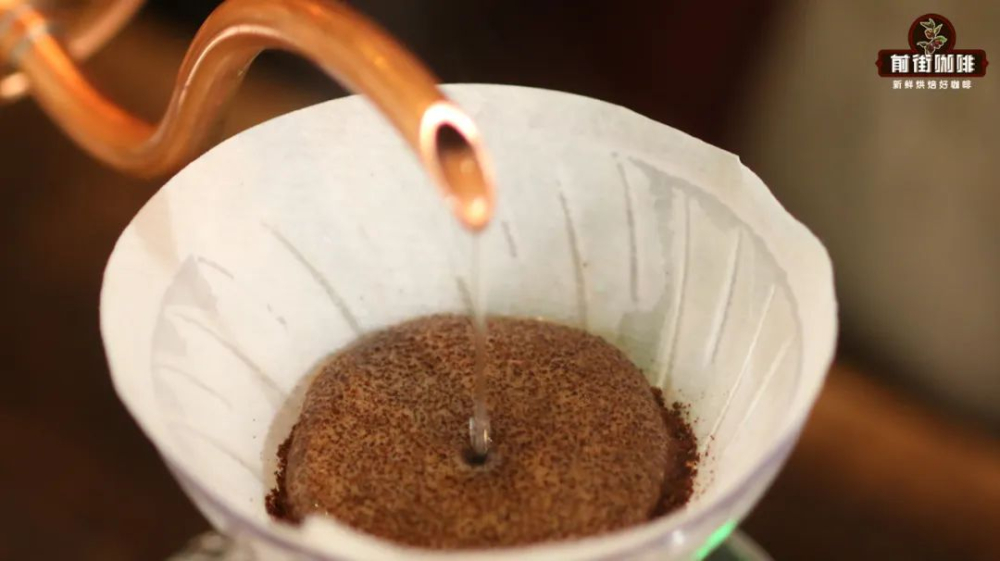
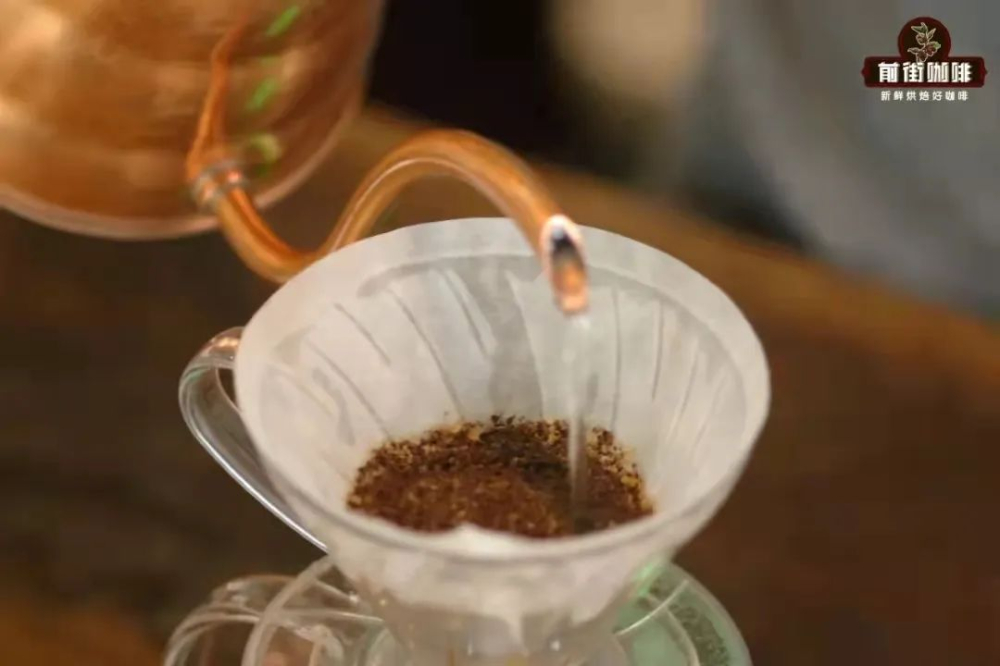
When coffee beans become stale, the most obvious change is that you’ll barely see any expansion during the bloom phase, and the coffee bed remains totally still after pouring water. Many people think, since blooming is for releasing gases, can you just skip the bloom step when brewing stale beans? In fact, the opposite is true—you need to be even more careful with your blooming pour technique when dealing with stale coffee.
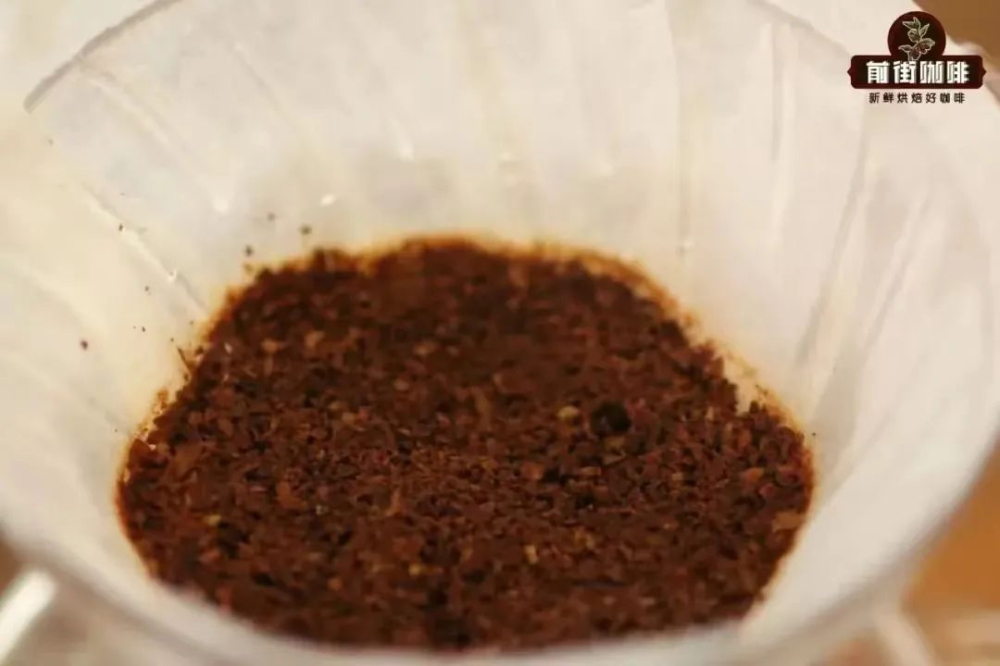
For stale beans, it’s recommended to adjust both the grind size and pouring method. First, regarding grind size, it’s advisable to go slightly coarser than your usual setting. For example, if you usually use setting 10 on your EK grinder, try adjusting to 10.5. This helps prevent too many fine particles, which can cause clogging and lead to excessive bitterness and off-flavors.
These adjustments are fine-tuned based on observations during actual brewing. While they can improve extraction performance to some extent, it's important to understand that the flavor lost due to staleness simply cannot be fully restored through technique alone.
If your coffee beans are not only past their prime but have even exceeded the expiration date printed on the package, then it’s not recommended to continue using standard pour over methods. Instead, it’s better to repurpose those grounds for other practical and eco-friendly uses. Below are three proven methods for recycling coffee grounds—choose according to your needs.
The first clever use is for eliminating odors. Placing coffee grounds in an ashtray not only helps neutralize cigarette smells, but can even emit a faint coffee aroma when stubbing out a cigarette—an approach commonly seen in many coffee shops and one that also helps cigarettes burn out faster. Additionally, after frequent baking, ovens can accumulate grease and odors. Placing a tray of coffee grounds inside and heating it can help remove lingering food smells. For pet owners, the unpleasant smell after cleaning up pet waste can be troublesome—but simply sprinkling some coffee grounds afterward can noticeably reduce the discomfort caused by the odor.
The second practical use is for cleaning. You can wrap freshly ground coffee powder in gauze and use it to scrub stovetops and pot lids—it works quite well for removing grime. Also, boiling expired coffee and using the liquid to rinse sinks and toilet pipes can provide a certain cleaning effect. Similar household items can be cleaned with the help of expired coffee beans.
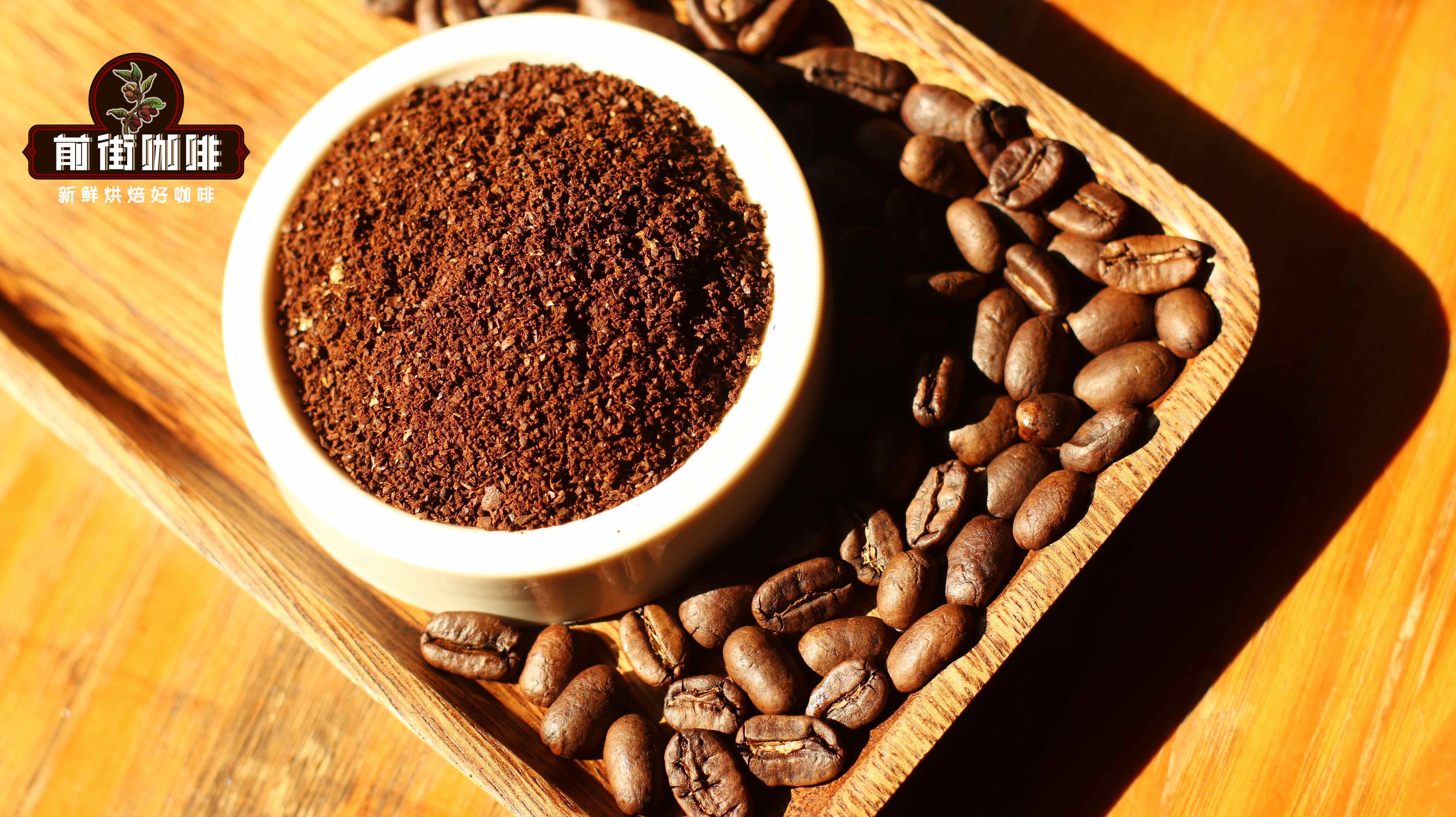
The third way is to use them as plant fertilizer. Coffee beans naturally contain nutrients needed for plant growth. Simply lightly crush expired beans and sprinkle them in your flowerpots for effective fertilization without producing any unpleasant smells. If you want to create a natural pest barrier around your plants’ roots, you can also place coffee grounds around the base, which can also help deter insects.
The above content is compiled by CoffeeHunters, a coffee news website.


