







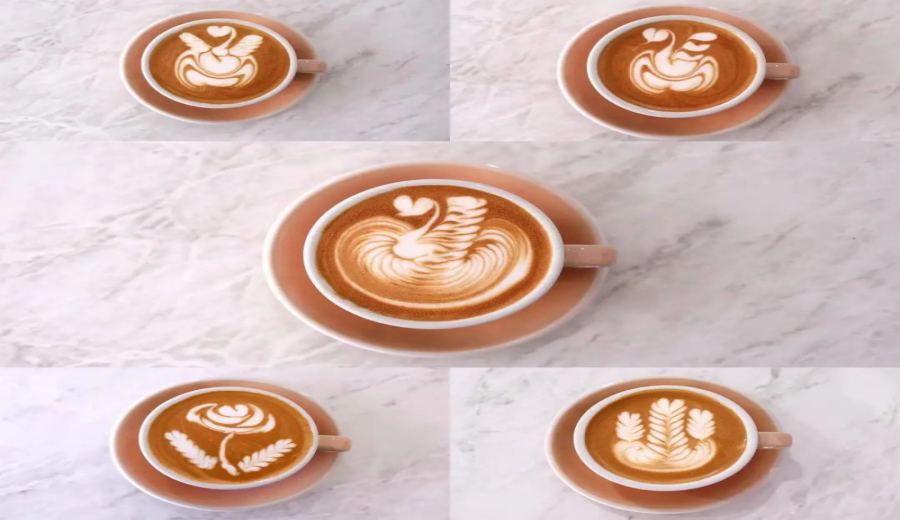
Introduction:Have you ever seen a barista “drawing” on the milk foam in a café, effortlessly creating shapes like hearts, leaves, or even animals? This seemingly elaborate skill actually originated from the innovation of Italian espresso machines in the early 20th century and was popularized in the 1980s by an American barista. This article will take you through how latte art evolved from an accidental discovery into a staple of global specialty coffee, and explore the origins of its naming, the techniques of etching, and the key elements of flavor.
Walk into any modern café and order a latte or cappuccino, and you’ll almost certainly see delicate milk foam patterns floating on the surface — from classic hearts and leaves to intricate animal designs or abstract art. These decorations, known as “latte art,” are not just embellishments but extensions of the barista’s skill and the overall flavor of the coffee. But did you know that this globally beloved technique didn’t originate in the daily routine of Italian cafés, but rather from a chance discovery followed by systematic research?
To achieve latte art, two essential tools are indispensable: a pressure espresso machine capable of producing espresso, and a steam wand for frothing milk. Going back to the early 20th century, Italian engineer Luigi Bezzera, aiming to improve coffee extraction efficiency, invented the first semi-automatic steam-pressure espresso machine in 1901 and successfully applied for a patent. Later, the Italian brand La Pavoni acquired the technology and launched a commercial model equipped with a steam wand in 1906, allowing baristas to more precisely control the temperature and texture of the milk.
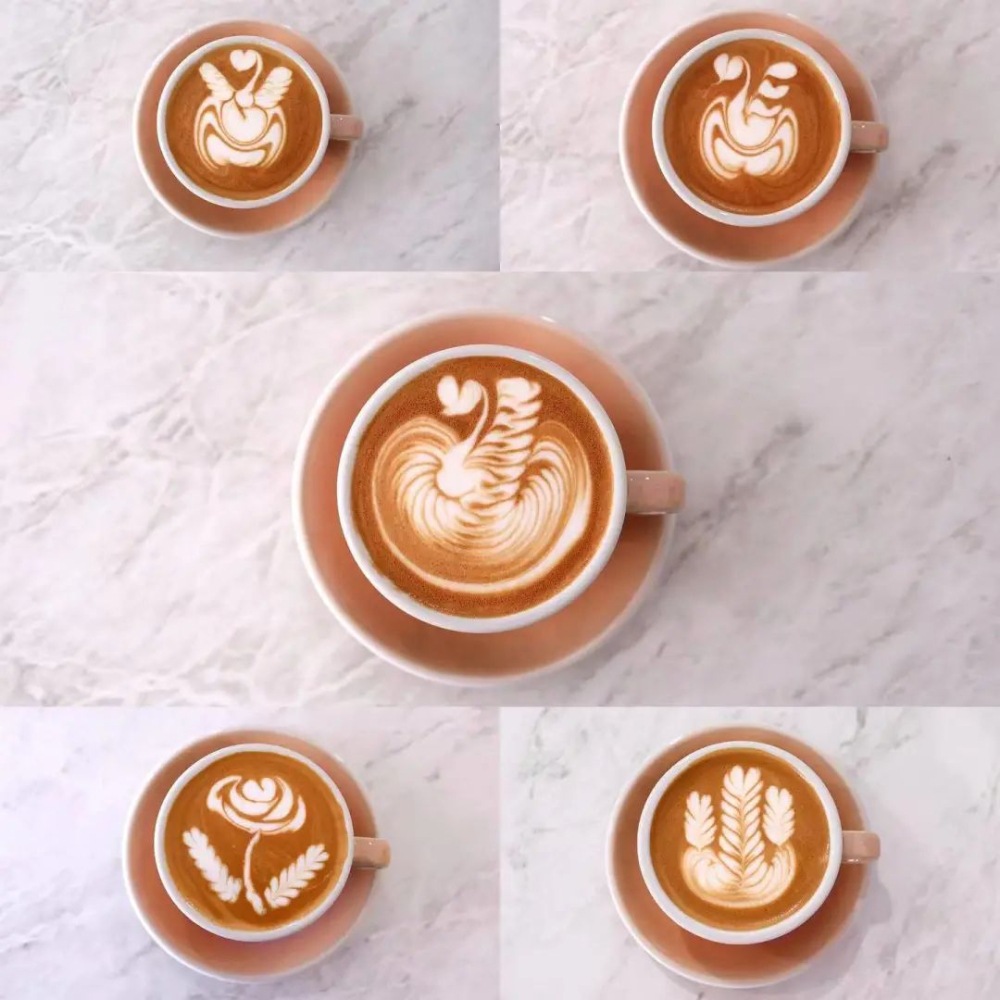
Interestingly, although Italians had been experimenting with steaming milk as early as the late 19th century, the art of transforming milk foam into visual “art” — true latte art — didn’t emerge until decades later. The widespread recognition of this skill is largely credited to an American barista, David Schomer. In the 1980s, while running a small coffee stand in Seattle, he once accidentally noticed that the final pour of white milk foam naturally formed a heart shape on the surface of his espresso-based drink. This serendipitous visual effect sparked his inspiration to delve deeper.
David further studied the espresso-making techniques of Italy at the time and found that the integration of milk and espresso not only affected taste but could also create visual variation through the flow of the foam. He founded Espresso Vivace, focusing on developing latte art techniques and systematically training baristas in the entire process — from frothing milk to shaping the design. By the late 1980s, these decorative coffees began to gain popularity in American cafés and quickly spread worldwide, becoming an important element of specialty coffee culture.
Today, this blend of visual and flavor-based artistry is widely known as “latte art.” The name comes from the Italian “Caffè Latte” — where “Latte” means milk, and “art” refers to the intricate patterns created by baristas using milk foam as their medium. Early latte art designs were relatively simple, often basic shapes like hearts or leaves. As the specialty coffee movement grew, baristas around the world began to tackle more complex designs and even developed “etching” techniques: using additional milk foam or tools to layer three-dimensional decorations on existing patterns, adding depth to the coffee’s surface.
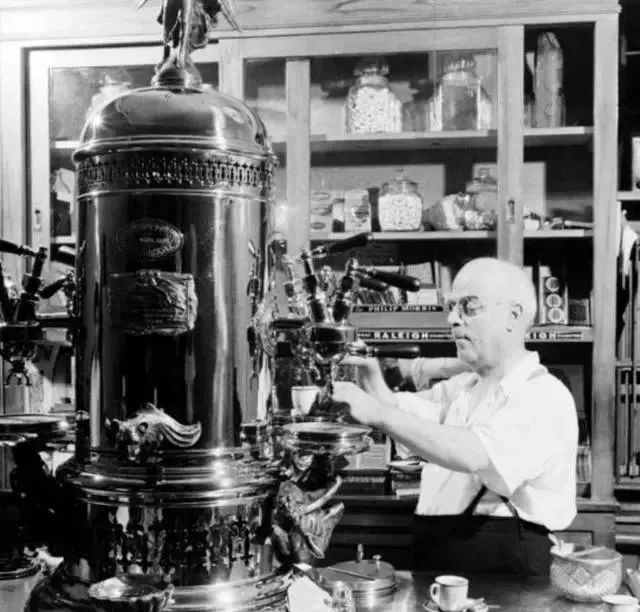
It’s worth noting that the value of latte art isn’t just in its visual appeal. As consumers’ expectations for coffee quality have risen, the industry has gradually realized that excellent latte art must balance both visual beauty and taste harmony. The creaminess of the milk, the ratio of integration with the espresso, and the speed and angle of pouring all directly influence the final flavor. David Schomer once emphasized that a successful latte art coffee must be built upon a high-quality espresso base and fresh milk — these two elements form the dual foundation supporting both the design and the flavor.
That’s why milk-based drinks like lattes and flat whites have become social media sensations — not only for their rich flavors but also thanks to the visual allure brought by latte art. When a cup of coffee satisfies multiple expectations of “color, aroma, and taste,” it naturally becomes the perfect choice for consumers. From accidental heart-shaped foam to a systematic art form, the evolution of latte art is a microcosm of coffee culture’s ongoing pursuit of refinement and innovation.
The above content is compiled by CoffeeHunters, a coffee news website.


