







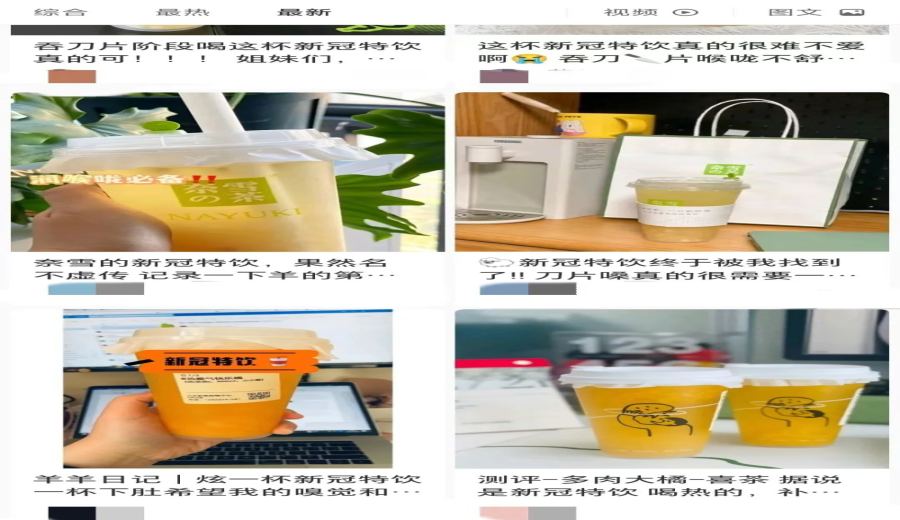
Introduction:During the pandemic, many young people regarded vitamin C-rich fruits such as oranges, lemons, and pears, when made into tea drinks, as “COVID-special beverages” that could soothe throat discomfort. The high visibility and popularity of these drinks on social media platforms drew widespread attention. But are these beverages merely psychological comfort, or do they offer real benefits? This article delves into the reasons behind the COVID-beverage trend, explores popular products on the market, and analyzes their actual effectiveness and limitations in alleviating symptoms.
As medication supplies tightened and the demand for home self-care rose during the pandemic, many young people began seeking alternatives to relieve sore throats and hoarseness. Among them, tea drinks made from vitamin C-rich fruits such as oranges, lemons, and pears quickly became popular among major bubble tea brands, earning the nickname “COVID-special drinks” among netizens.
These beverages include Heytea’s “Big Orange Pear,” Nayuki’s “Tiger Skin White Fungus Stewed Pear,” Uncle No Name’s “Freshly Stewed Whole Pear,” as well as Mixue’s “Smash the Fresh Orange” and “Pear White Fungus.” With their sweet, soothing taste and high vitamin C content, these drinks sparked extensive discussion on social media, with some outlets even selling out due to surging demand.
Notably, many of the “COVID-special drink” products that gained popularity during this wave had actually been launched long before the pandemic—some were even regular menu items—and were not newly created specifically for fighting the virus. For example, Heytea’s “Big Orange Pear” was first launched in October 2022 in collaboration with the TV drama “Empresses in the Palace,” where it was promoted as a “refreshing duo” with “plenty of hot vitamin C.” Little did anyone expect it would later become a comforting drink for many during the pandemic.
In addition, some brands capitalized on the trend by launching new combinations. For instance, the lemon tea brand LINLEE introduced a “Burst Vitamin C Combo” in December 2022, featuring vitamin C-rich options such as Orange Dofun Iced Lemon Tea and Kiwi Iced Lemon Tea, and labeled it as “urgent circulation” on Xiaohongshu, attracting consumer attention. These moves undoubtedly accelerated the spread and commercialization of the “COVID-special drink” concept.
From the perspective of consumer feedback, the popularity of these drinks stems not only from their actual nutritional content but also from a certain degree of psychological comfort. When feeling unwell and facing difficulties in accessing medication, being able to order a warm, vitamin-rich drink with just a few taps can provide a degree of emotional and sensory relief.
However, nutrition experts caution that while fruits like oranges, lemons, and pears are indeed rich in vitamin C and support immune system function, they are not a primary treatment for COVID-19 or other respiratory illnesses.These drinks are more suitable as supplementary choices for daily hydration and nutrition, rather than as substitutes for medication.
If symptoms such as persistent high fever, difficulty breathing, or severe sore throat occur, it is important to seek medical help as a priority, rather than relying solely on beverages for relief. Especially in the later stages of infection, hoarseness and sore throat may be accompanied by potential complications, making timely assessment of the condition particularly crucial.
In summary, the popularity of “COVID-special drinks” reflects a modern consumer trend of seeking natural, convenient, and psychologically comforting options in the face of health uncertainties. While they may not directly cure diseases, they can indeed bring a touch of warmth and practical nutritional support to daily life under specific circumstances.
The above content is compiled by CoffeeHunters, a coffee news website.


