







Introduction:As a globally renowned coffee chain brand, Starbucks has long been favored by consumers for its cup designs, especially limited-edition versions that often spark buying frenzies. However, a customer in Canada, unable to purchase an empty cup on its own, angrily poured out the two cups of coffee they had bought — an act that stirred heated discussion on social media. What exactly are Starbucks’ policies regarding the sale of empty cups? How do the positions of customers and the store differ? This article delves into the details of the incident and explores the balance between consumer rights and brand policy.
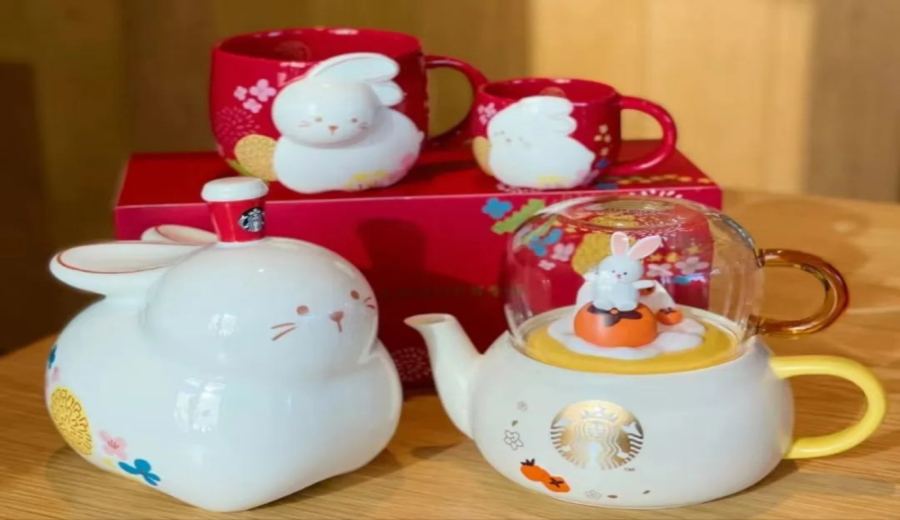
Starbucks is not only known for its coffee, but its various cups have also become collectible items for many coffee enthusiasts. From holiday exclusives to seasonal new releases, they often generate buzz on social media even before official sales — such as this year’s Year of the Rabbit series, which quickly became a hot topic upon launch. But beyond their collectible value, many consumers are curious: can they simply buy these aesthetically pleasing drink cups? In fact, this demand recently sparked a controversy.
According to foreign media reports, a notable incident occurred at a Starbucks outlet in Canada: a customer wished to buy an empty cup only, but was refused by the staff on the grounds that an empty cup could only be purchased if accompanied by a beverage. In response, the customer bought two cups of coffee, obtained the cups, and then poured all the beverages onto the floor of the store, taking only the empty cups with them when leaving.
The act quickly caused an uproar on social media, with related posts accumulating over 2.3 million views and 95,500 likes, sparking a wide range of reactions from netizens. Some users felt the customer’s behavior was clearly wasteful — two cups of coffee that could have been enjoyed by others were discarded due to personal preference. Others questioned whether Starbucks’ restrictions on selling empty cups were reasonable.
From the staff’s perspective, many pointed out that brand policies are not made by frontline employees, who are simply following the rules. Some netizens argued that if a customer only wants to buy an empty cup, they could look for similar products at other nearby stores instead of insisting on purchasing it at Starbucks. Additionally, some noted that the incident may have taken place inside a mall, where consumers actually had other options.
However, many netizens also expressed understanding for the customer’s motives, noting that Starbucks cups are indeed attractive and beautifully designed, with some consumers visiting specifically for the cups. Regarding the requirement to “compulsorily purchase” coffee in order to buy an empty cup, some opinions held that this restricts consumer freedom of choice.
In fact, Starbucks has not completely prohibited the sale of empty cups in the past, but at many outlets, empty cups are usually provided only as containers included with beverage purchases, rather than sold individually. This has led to many consumers facing the restriction of having to make additional purchases when they want to collect cups. Industry insiders suggest that if a consumer only wants to buy a cup, they could call the store in advance to inquire about the policy or choose to purchase during specific promotional events, as the brand sometimes offers standalone cup sales.
Although this incident originated from a seemingly simple purchase request, it highlights the gap between brand policy, consumer expectations, and on-site implementation. Whether in support or criticism, the reactions reflect differing public views on consumer experience and resource use. For coffee lovers, besides savoring a good cup of coffee, how to more rationally approach brand rules and personal needs is also a worthwhile consideration.
The above content is compiled by CoffeeHunters, a coffee news website.


