








Introduction:Have you ever tried brewing Robusta using the pour over method? This type of coffee bean, often categorized as "non-specialty," is actually widely cultivated in producing regions such as Vietnam and is extensively used in espresso blends due to its high caffeine content and rich crema. In this article, we take a deep-roasted Vietnamese Robusta as an example, meticulously documenting the dry aroma, wet aroma, and flavor profiles across varying temperatures during the pour over process. We also delve into its key differences from Arabica, including physical characteristics, suitable brewing parameters, and ideal drinking contexts—offering you a fresh perspective on this often-overlooked coffee bean.
Robusta and Arabica are arguably the two dominant forces in the global coffee market. However, in the refined world of specialty pour over brewing, the presence of Robusta is extremely rare. Many coffee enthusiasts have never even had the chance to taste pure Robusta brewed on its own. For this session, we selected a deep-roasted Robusta from Vietnam and used the pour over method to fully showcase its aroma transitions—from dry scent and wet bloom to flavor shifts at different temperatures—while recording each stage’s flavor expression. Moreover, we will compare Robusta and Arabica in terms of appearance, growing conditions, and the reasons behind their flavor development. We’ll also explain Robusta’s inherent advantages in caffeine content and crema performance.

You may have heard the saying: “If you serve pure Robusta pour over in a coffee shop, you might lose some customers.” Though said in jest, it reflects the awkward position Robusta holds in the specialty coffee scene. Robusta, or simply “R-bean,” is one of the two most prominent coffee species in the world, alongside Arabica, yet it rarely earns favor among specialty coffee aficionados. Walk into a pour over-focused café, and your chances of ordering a 100% Robusta-brewed cup are next to none.
The futures market price of Robusta is only slightly more than half that of Arabica, making it a relatively affordable coffee bean. For this reason, it’s often seen as “everyday coffee.” Although it’s seldom found in specialty coffee shops, for coffee explorers seeking novel flavors, trying Robusta can be a surprisingly fun experience.
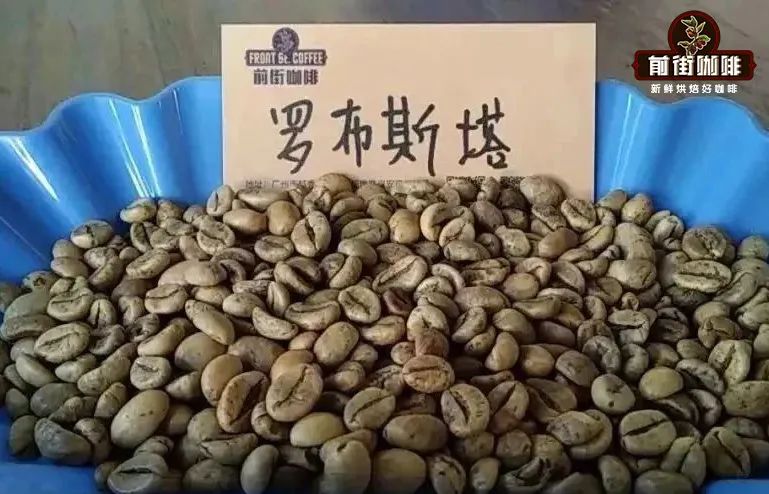
The Vietnamese Robusta used in this session was dark roasted, so we set our pour over parameters accordingly. The equipment included a Kono filter cone, with a coffee dose of 15 grams and a grind size adjusted to medium-coarse—approximately 70% passing through a #20 sieve. The brew ratio was set at 1:15, and the water temperature was 87°C.
The pour over process was divided into three pouring stages: First, we poured 30 ml of hot water for the bloom phase, lasting about 30 seconds. This Robusta exhibited quite active degassing. Next, we poured 100 ml in a clockwise circular motion, gently lifting the coffee bed. Once the water level dropped slightly, we proceeded to the third pour, adding another 95 ml using the same clockwise circular technique. The total water volume was 225 ml. The entire extraction took about 2 minutes and 20 seconds, ending when no more coffee dripped from the filter cone.
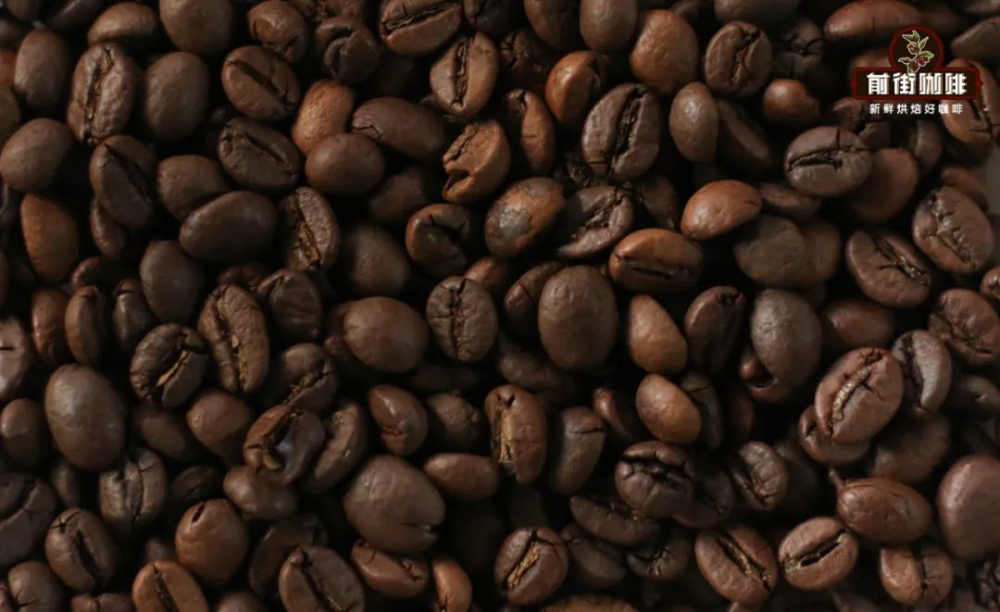
During the wet aroma phase, the Vietnamese Robusta didn’t emit particularly strong scents, but hints of hazelnut and caramel were faintly perceptible. The first impression upon tasting was that the flavors weren’t particularly bold—there was no obvious burnt bitterness—but overall, it presented a rich grainy profile, similar to the hearty feel of barley tea. The mouthfeel leaned toward being full-bodied, putting in a decent, if unremarkable, performance—not bad, but not outstanding either.
As the coffee cooled to mid-to-low temperatures, the flavor profile changed noticeably. At this stage, rubbery notes emerged first, followed by a stronger graininess. The overall cleanliness was relatively low, and the aftertaste carried a slight earthiness along with distinct bitterness. These traits make pure Robusta less appealing to specialty coffee enthusiasts when consumed on its own.
The reason Robusta tends to have a stronger, sometimes off-putting flavor is largely due to its higher levels of chlorogenic acids and caffeine—compounds that contribute to its innate bitterness. Additionally, Robusta is typically grown at altitudes below 800 meters, compared to the high-altitude regions where most Arabica is cultivated. As a result, it naturally lags behind in flavor complexity and overall clarity. That said, there are higher-quality Robustas on the market with relatively fresher profiles, though they still tend to emphasize notes like peanut butter, walnut, hazelnut, wheat, and caramel.
Nevertheless, Robusta has undeniable strengths, such as its higher caffeine content and richer crema, which lend coffee a bold and full-bodied mouthfeel. Because of these traits, Robusta is commonly blended with Arabica—especially in the production of espresso. For instance, one coffee shop’s commercial espresso blend combines Brazilian and Colombian Arabicas with 10% Robusta, allowing the shot to maintain flavor layers while also delivering a lush crema.
If you’re really keen to try pure Robusta pour over, you might want to check international food sections in department stores for imported Robusta beans. Years ago, we purchased a pack labeled “Vietnam Trung Nguyen No. 1” Robusta. Upon opening the bag, the beans were glossy and emitted a faint milky aroma (we later learned that condensed milk and sugar had been added during roasting). The dry fragrance was highly enticing. The resulting espresso had a fine and thick crema, and everything felt satisfying at first—but when you actually took that first sip, the intense flavor would hit your taste buds head-on, leaving a memorable and unforgettable impression.
The above content is compiled by CoffeeHunters, a coffee news website.


