







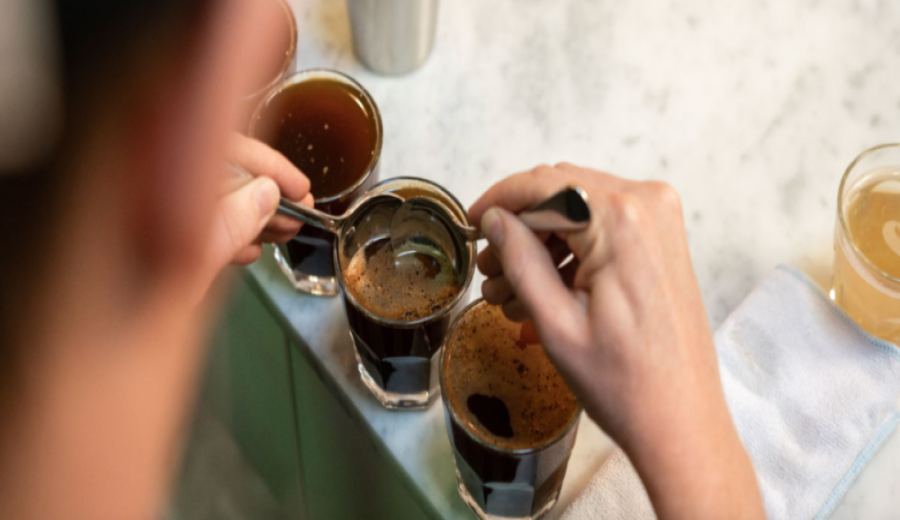
Introduction:Over the past decade, single-origin coffee has almost become synonymous with specialty coffee. However, recent global market and competition trends show that high-quality blended coffee is regaining attention. Behind this shift lies not only climate and cost considerations but also a reflection of consumers’ practical demand for consistent flavor. This article delves into how blended beans have evolved from being undervalued to becoming a new focal point in the industry, and shares key techniques and market insights behind professional blending.
In the world of specialty coffee, single-origin coffee was once a symbol of quality and flavor. These coffee beans typically come from specific estates or regions, and thanks to their unique regional characteristics and delicate nuances, they have long been favored by baristas and consumers alike. Whether at international coffee competitions or high-end cafés, single-origin beans were almost synonymous with specialty.
However, in the past year, the global specialty coffee market has quietly shifted. High-quality blended coffee beans have returned to center stage, not only making frequent appearances in professional competitions but also gradually becoming a focal point of market attention. This phenomenon is driven not only by practical concerns such as climate change and rising transportation costs but also reflects consumers’ fundamental need for stable and balanced flavors.
Many industry insiders point out that the core value of specialty coffee lies in providing a consistent and high-quality drinking experience, rather than simply pursuing the uniqueness of the origin. In fact, although single-origin coffee can showcase regional characteristics, its flavor is easily influenced by natural factors such as climate and soil from year to year, resulting in greater flavor variability and difficulty maintaining consistency over time.
In contrast, high-quality blended coffee, by carefully selecting beans from different origins and processed in different methods, and through the expert blending techniques of professional roasters, can achieve balance and consistency in flavor. Such blends not only compensate for the flavor shortcomings of single-origin beans but also offer advantages in cost control and supply stability.
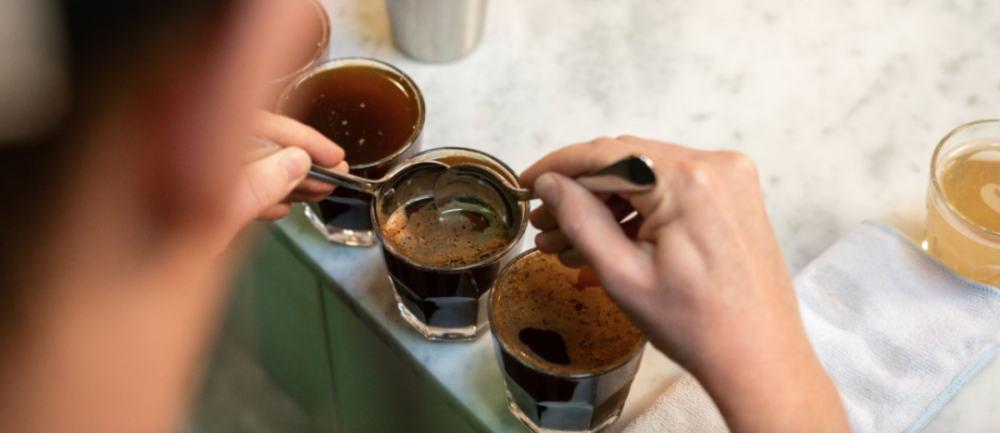
Take this year’s World Barista Championship (WBC) as an example: Japanese competitor Takayuki Ishiya innovatively blended Vietnamese Robusta with Panamanian Geisha, resulting not only in an astonishing display of flavor layers but also successfully breaking the stereotype surrounding Robusta and blended coffee. This case proves that with the right technique, blended coffee can also deliver exceptional flavor performance.
It is worth noting that the challenge of blended coffee lies in its technical barrier. Blenders need not only a deep understanding of the characteristics of beans from different origins—including seasonal variations, processing method impacts, and roasting responses—but also mastery of precise roasting curves and extraction parameters to ensure the final flavor remains balanced and harmonious. This is far more complex than simply roasting single-origin beans.
For consumers, the resurgence of blended coffee also means a more stable and cost-effective option. Especially for everyday drinking or commercial use, stable flavor performance is often more important than pursuing novel single-origin experiences. Many specialty cafés have already begun using high-quality blended beans in their signature drinks to ensure consistency in output and customer satisfaction.
In summary, the development of specialty coffee has never been confined to a single model. The popularity of single-origin coffee represents the market’s exploration of regional flavors, while the comeback of blended coffee reflects the pursuit of stable quality and balanced flavor. Both have their own advantages, and the key lies in choosing the most suitable coffee solution based on individual needs.
The above content is compiled by CoffeeHunters, a coffee news website.


