







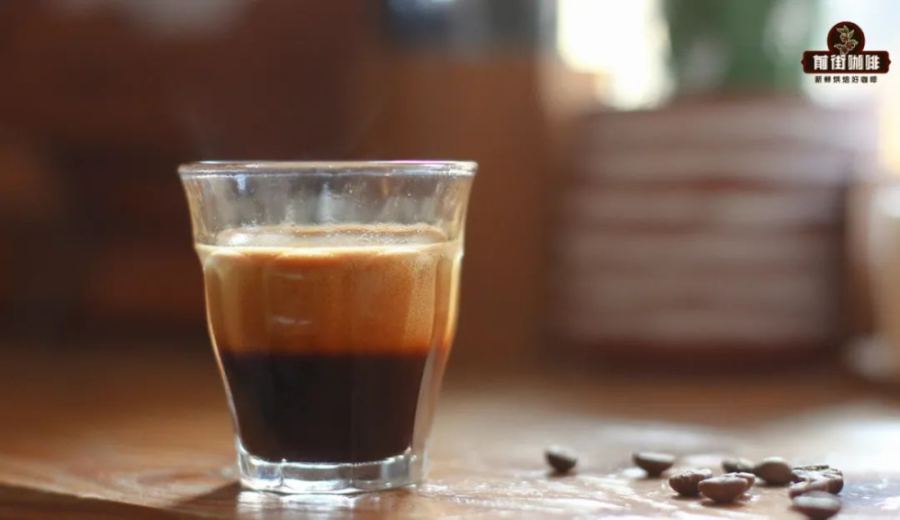
Introduction:The enticing golden crema on top of an espresso is often seen as a hallmark of a good cup of coffee, but what exactly is it? And how is it different from coffee oils? This article delves into the science behind crema — from its historical background and composition to coffee bean selection, machine settings, and extraction techniques — guiding you through the key factors that produce rich crema. Learn how to achieve professional-level results even when brewing espresso at home.
Many coffee enthusiasts, upon tasting an espresso, are immediately drawn to the layer of golden crema floating on the surface, often using it as an indicator of the coffee’s quality. This layer actually has a technical name: “crema.” However, its composition is not straightforward, and it is not entirely the same as the coffee's natural oils. Want to learn how to pull a shot with rich, long-lasting crema at home? Let’s start with a real customer complaint, explore the evolution of espresso machines, and take a comprehensive look at how crema forms. We’ll also provide practical advice from three perspectives: coffee beans, equipment conditions, and extraction methods.
Not long ago, a customer (from Dongshankou, Guangzhou) remarked after tasting an espresso: “The crema on your espresso is the thickest I’ve ever had.” This comment prompted us to revisit the concept of espresso crema. In fact, this customer is not alone — many people wonder how they can achieve richer, more vibrant crema in their espresso. This article will begin with the basics and gradually unravel the underlying principles.
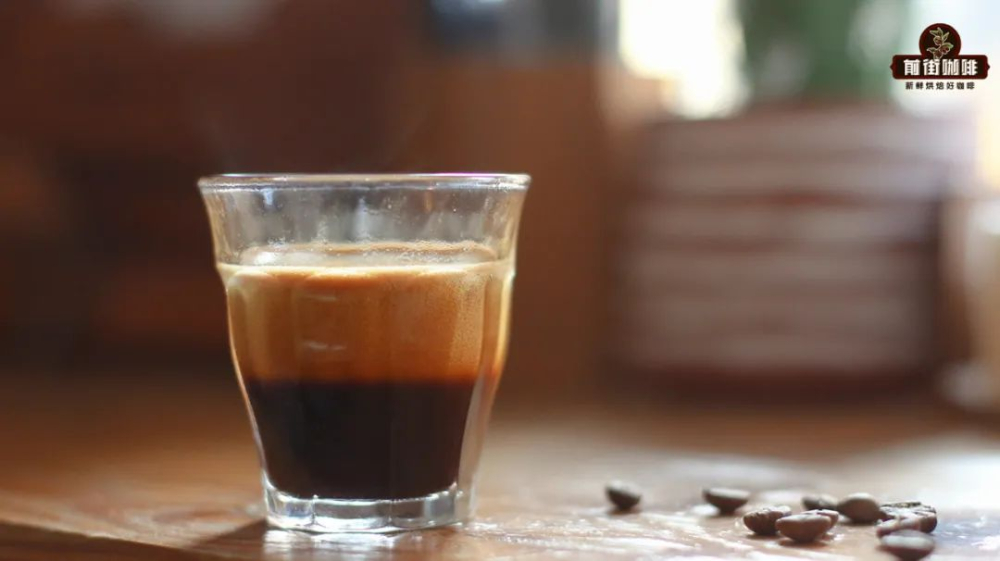
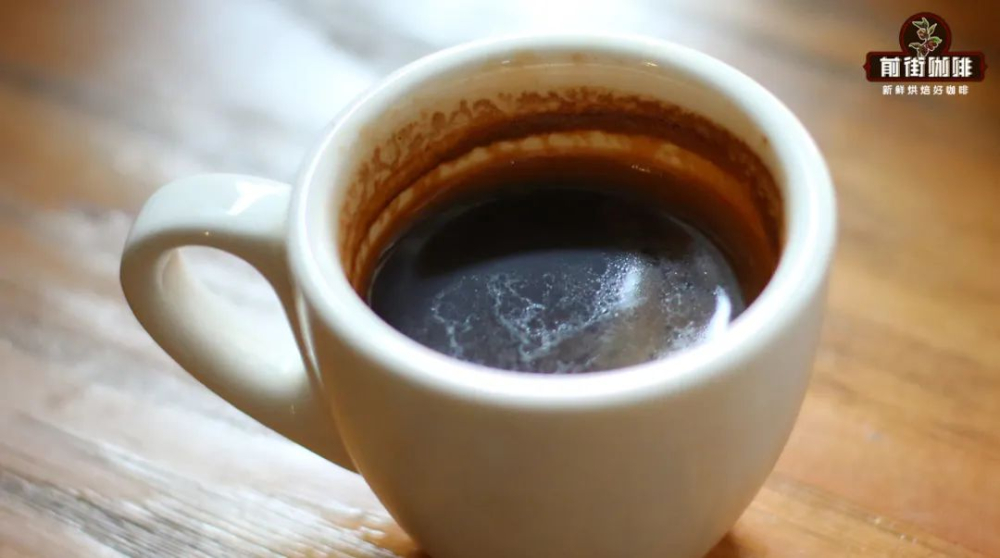
First, the word “espresso” originates from Italian, meaning “fast.” This brewing method was initially designed to produce a strong black coffee in a shorter amount of time. The golden layer on the surface of traditional espresso is commonly referred to as crema, but strictly speaking, this substance is not just oil — it is a foam layer formed by a mixture of carbon dioxide gas and tiny coffee oil particles. As this crema dissipates over time and the carbon dioxide is released, the remaining reflective, darker-colored film is the true coffee oil.
Although in everyday conversation, people tend to refer to the entire golden layer as “oil,” understanding the true composition of crema is essential if you want to master extraction techniques. To pull a thick and stable crema, the first priority is to choose coffee beans that contain higher levels of coffee oils and internal carbon dioxide.
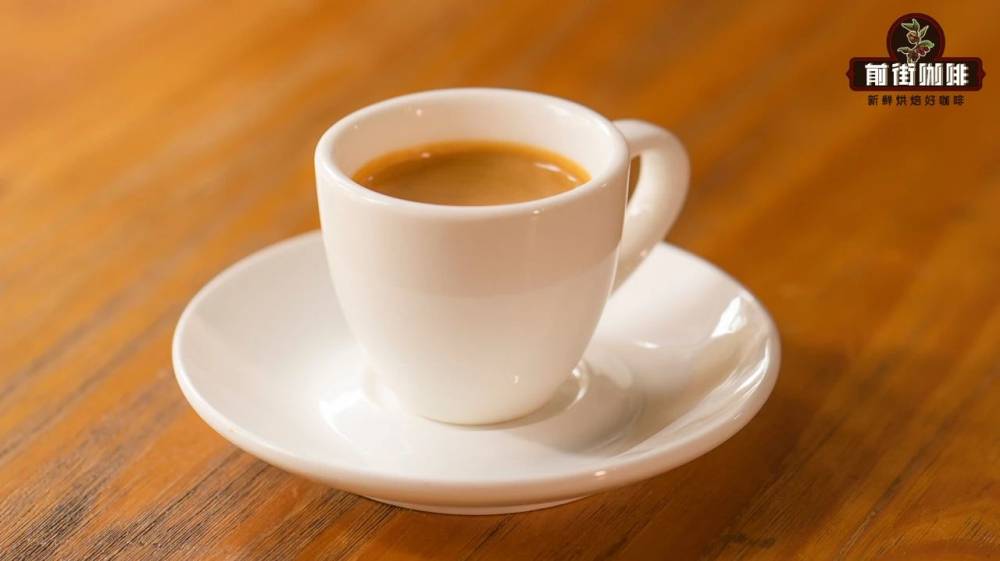
The history of espresso and crema dates back to 1884, when an Italian named Angelo Moriondo invented the world’s first coffee machine with pressurized extraction capabilities. This machine was equipped with two separate brewing boilers capable of generating about 1.5 bar of pressure and steam, allowing coffee to be extracted in a very short time. Compared to traditional drip methods, the resulting coffee had a richer flavor. Over time, espresso machine technology continued to evolve, with more precise control over parameters such as water temperature and pressure. Then, in 1948, Achille Gaggia, a café owner in Milan, invented a lever-operated espresso machine that used high-pressure extraction to successfully produce the crema we are familiar with today. Since then, crema has not only become a signature feature of espresso but also one of the key indicators of quality evaluation.
However, some readers have reported that even after purchasing imported roasted coffee beans and storing them for over six months, they still noticed “oil” on the surface when opening the package. It’s important to clarify that many imported coffee beans use nitrogen flushing and other preservation techniques to delay oxidation. But these measures are generally effective only when the package remains unopened. Once opened, air enters, and the carbon dioxide and volatile aromatic compounds in the beans rapidly dissipate. Even if the surface still appears shiny, the actual flavor and oil activity have significantly diminished.
Once the hardware equipment meets certain standards, the next factors affecting crema performance are the various parameters and operational details during the extraction process. For example, the coffee-to-water ratio, grind size, tamping pressure, and extraction time all directly influence the thickness and stability of the crema. Some people mistakenly believe that simply increasing the volume of extracted coffee liquid will result in more crema. But if you observe the color changes of the extracted liquid — from dark brown-black to brown-yellow, then golden, and finally yellow-white — you’ll notice that these varying hues reflect differences in the extracted compounds. The key to achieving rich and even crema lies in overall extraction balance, not just the total volume.
Additionally, the roast level of the coffee beans is closely related to crema performance. Generally speaking, medium-dark to dark roasted beans undergo more significant caramelization reactions, containing more oils and gases, which makes it easier to form thick crema under pressurized extraction. However, over-roasting may also lead to burnt or bitter flavors. Therefore, when selecting coffee beans, in addition to considering roast level, it’s also advisable to evaluate whether the flavor profile aligns with your personal preferences.
In summary, if you want to consistently pull that attractive golden crema at home, you need to not only choose the right coffee beans but also understand the principles of extraction and the characteristics of your equipment. Every step — from coffee-to-water ratio, grind size, tamping, to extraction time — can impact the final texture and richness of the crema. Master these fundamentals, and you’ll be able to create an espresso experience that rivals that of professional cafés.
The above content is compiled by CoffeeHunters, a coffee news website.


