








Introduction:Did you know that ordering an Americano in Italy might result in the barista handing you an espresso and a glass of hot water to mix yourself? Italians’ devotion to espresso is not just about taste—it’s deeply tied to cultural identity. This article will delve into why espresso is considered a national symbol, exploring its history, societal evolution, and even its UNESCO Intangible Cultural Heritage nomination, to uncover the profound significance behind this small cup of coffee.
In Italy, if you walk into a local café and order an “Americano,” you might be met with a puzzled look—or even be given an espresso and a glass of hot water, with the suggestion: “Mix it yourself.” That’s right: ordering an Americano isn’t mainstream in Italy and might even draw unwanted attention.
One Italian netizen once humorously shared on social media: “Is it really not okay to order an Americano in Italy?” While the answer isn’t absolute, the reality is that most locals rarely do, and café owners typically respond by serving espresso with hot water rather than providing a so-called “Americano.”
Behind this cultural difference lies a long history and deep national sentiment. Espresso is more than just a daily pick-me-up; it carries the evolution of Italian coffee culture since the 16th century—from being once regarded as the “devil’s drink” to later being revered as the “drink of God.” Along this journey, coffee has become deeply embedded in Italian life and culture.
In fact,espresso was included in UNESCO’s Tentative List of Intangible Cultural Heritage in January 2024,signifying that it is not just a beverage but also a vital symbol of Italian cultural identity. For Italians, espresso is not merely a flavor experience but a ritual of life and a display of cultural confidence.
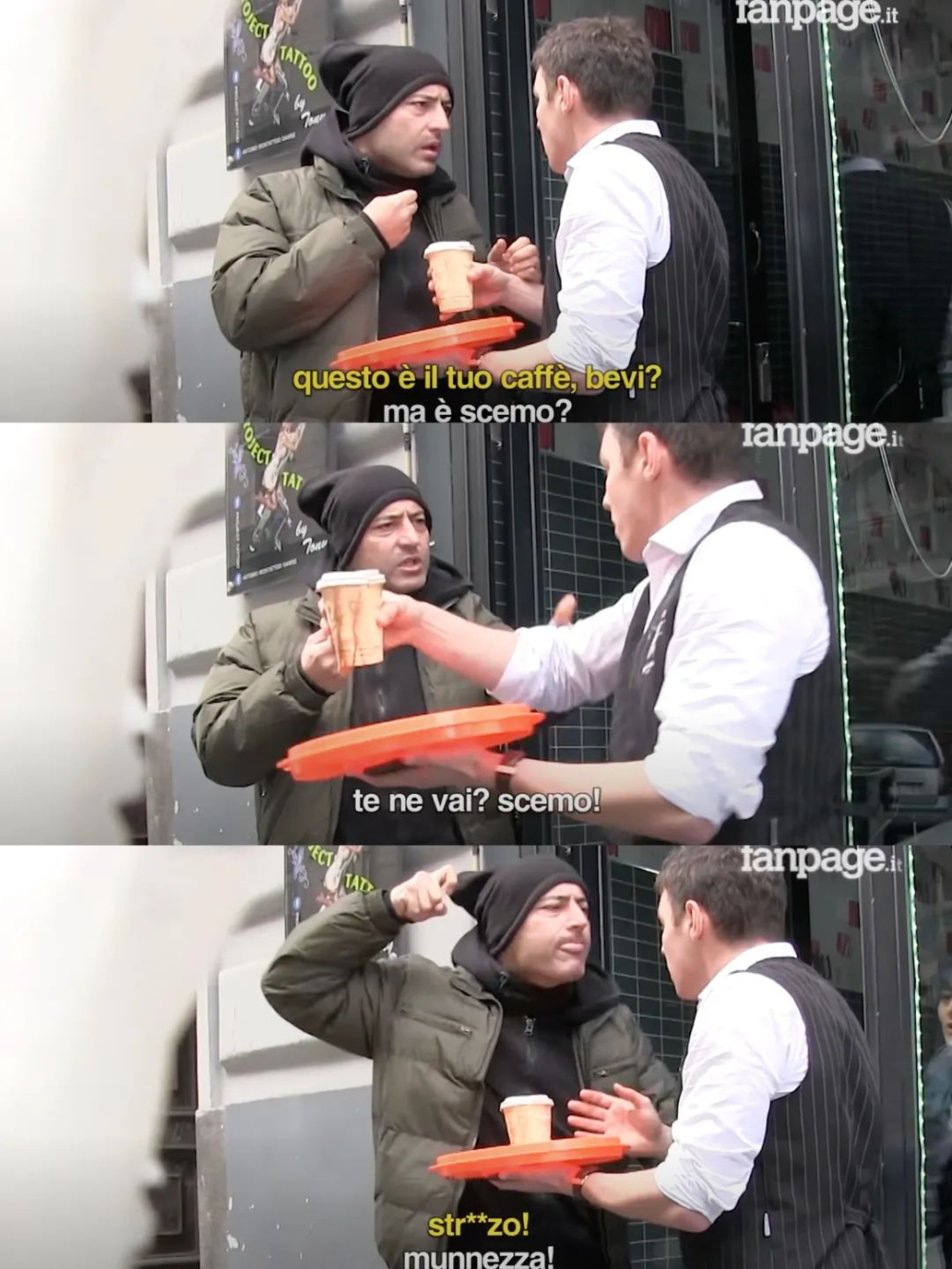
A video filmed in an Italian café once went viral. In it, a customer ordered an espresso, only to see someone pour water into it, sparking an outraged reaction: “What is this nonsense?” “Are you insulting Italian coffee?” These angry words might be hard for many foreigners to understand, but for Italians, adding water to espresso is like ruining a piece of art—or even a desecration of their culture.

Many foreign travelers visiting Italy instinctively want to order an Americano, only to find that this option isn’t as taken for granted as in other countries. Some cafés might simply say, “We don’t serve Americanos here.” Others may offer an espresso with hot water for the customer to mix themselves. Especially in summer, Italians might opt for iced espresso or a “caffè corretto” (coffee with liquor) instead of diluting their espresso with water like in an Americano.
So, how did espresso evolve into what it is today? It all started with the Industrial Revolution in the late 19th century. People sought faster and more efficient ways to brew coffee, leading to the birth of steam-powered coffee machines. In 1884, an inventor from Turin, Italy, registered the first patent for a steam-driven coffee machine, kicking off the technological revolution of espresso.
Later, designer Luigi Bezzera further improved the original equipment by adding a portafilter and basket, adjusting the grind size of the coffee, allowing pressurized water to pass more evenly through the coffee grounds, extracting a more concentrated and balanced shot. This system also introduced a cooling mechanism to prevent overly high temperatures from causing burnt or bitter flavors, and was re-patented in 1901.
Over time, these technologies underwent multiple refinements, including the addition of a pressure relief valve and steam wand, gradually evolving into the prototype of the modern espresso machine we know today. By 1920, the term “Espresso” was officially added to the Italian dictionary, referring to a quickly extracted, highly concentrated coffee with a rich crema.
Moreover, in 1938, Italy also coined the professional title “Barista,” derived from the original term “Barman,” symbolizing that coffee makers were no longer just drink servers but skilled professionals with expertise in coffee.
Thus, espresso is more than just a beverage choice—it embodies technological innovation, shifts in social pace, and Italians’ commitment to quality of life. So, the next time you’re at an Italian café counter, consider ordering a classic Espresso—or bravely try an iced one—to experience the cultural depth behind this world-famous little cup of coffee.
The above content is compiled by CoffeeHunters, a coffee news website.


