








Introduction:When visiting Qatar, besides the excitement of the World Cup, don’t miss the region’s unique Arabic coffee culture. From the historical roots of Gahwa and the gestures of hospitality, to the secret recipe of saffron and cardamom, this article takes you deep into a cup of Qatari coffee that carries millennia of tradition—teaching you the proper etiquette and brewing techniques.
While watching the World Cup in Qatar, you can not only feel the intensity of the matches but also experience the genuine hospitality of the locals. After the games, it’s common for spectators to be offered traditional snacks, dates, and a fragrant cup of Arabic coffee, showcasing the passionate “never-let-the-kettle-go-cold” culture of the Gulf region. This article not only introduces the brewing and tasting methods of Qatari Gahwa but also traces its evolution from the ancient ‘Qishr’ to modern-day Gahwa, detailing the deep meanings behind every gesture and each spice.
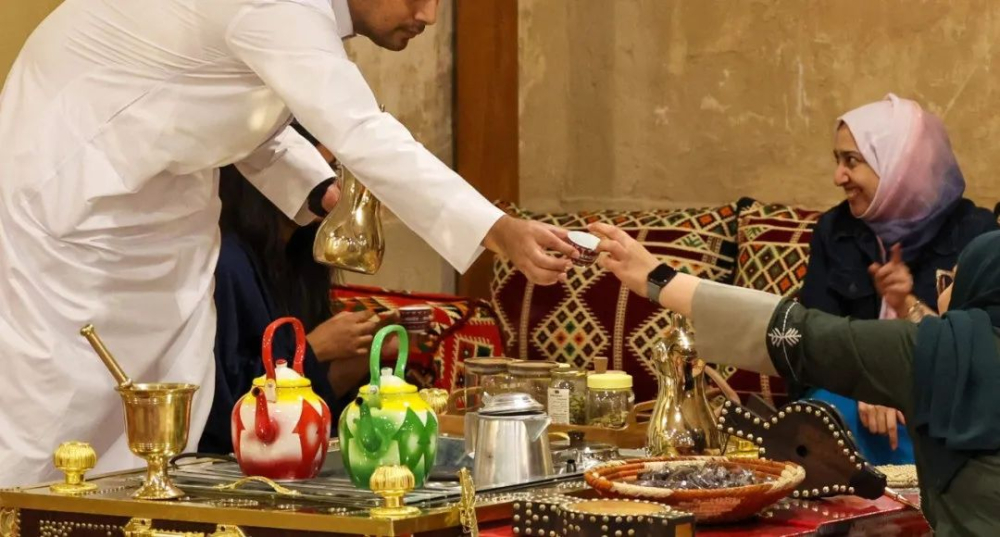
As a visitor, you might be amazed by the meticulous way Qataris serve tea and coffee: the left hand firmly holds the kettle handle while the right hand respectfully presents the cup. When pouring, the kettle is raised high so that the coffee splashes into the cup with a crisp sound—not just a gesture of courtesy but a cultural imprint passed down through generations. Moreover, locals insist on using freshly roasted and ground beans, and will continuously refill guests’ cups until they signal satisfaction by gently rocking their finjan (the traditional Arabic coffee cup).
Every step in the coffee-making process is meticulously executed.Upon a guest’s arrival, the host will roast the green beans over a low flame right on the spot until they turn slightly yellow, releasing a sweet aroma reminiscent of corn. The beans are then manually crushed into coarse grains using traditional methods. At this point, the coarsely ground coffee and water are poured into a special metal kettle (made from various materials including stainless steel, brass, or even ornate metal designs), along with ground cardamom, saffron, cloves, and sometimes a small amount of rose water. All are slowly simmered together, and finally a wooden fiber filter is placed at the spout to separate the coffee grounds.

Once this spice-infused coffee is ready, the act of serving it is equally important. The kettle must be held in the left hand while the right hand presents the cup to the guest. This division of labor between left and right hands reflects the emphasis on etiquette in Arab culture. Guests must receive the coffee cup with their right hand; refusing a sip may be seen as disrespectful. Additionally, when you no longer wish to continue drinking, remember to gently rock the cup from side to side to indicate you’ve had enough—otherwise, your hospitable host will keep refilling it.
This coffee culture is more than just a beverage—it’s a reflection of lifestyle and values. Even compared to today’s refined extraction methods like pour over or espresso, the Qatari Gahwa technique may seem simpler, but the sincerity and blessings it carries are priceless. For locals, each act of serving coffee is an expression of respect and warm invitation to guests, as well as a steadfast commitment to preserving and passing on their cultural identity.
When talking about the history of Arabic coffee, one must start with the word ‘Gahwa.’ Originating from Arabic, this term originally referred in the Middle Ages to a substance that was addictive and suppressed appetite—similar to alcohol—because excessive consumption would lead to a complete loss of hunger. By around the 1400s, the term gradually came to refer to coffee, carrying a subtle warning to remind people not to let caffeine affect sleep just as alcohol affects appetite.
Coffee was first introduced to the Arabian Peninsula from Ethiopia around the 9th to 10th century AD, initially used mainly as a medicinal drink. According to the 9th-century Persian physician Rhazes in his book 'The Comprehensive Book of Medicine,' the extract from 'bunn' (i.e., coffee cherries)—called 'bunchum'—had stimulating and headache-relieving effects, but excessive intake could cause insomnia. At that time, 'bunn' referred to the coffee fruit itself.
Between 1400 and 1500, the Mocha and Aden port areas of Yemen popularized a drink called ‘Qishr.’ It was made by drying ripe coffee berries, using only the flesh (discarding the beans), lightly roasting the flesh, grinding it, and then brewing it with hot water along with spices such as ginger and cinnamon. This beverage, which still retained about 1% of the caffeine content and provided some stimulation, was sweeter and had a better taste than chewing the coffee fruit directly—so it quickly spread across the Arabian Peninsula.
Interestingly, early people preferred the fruit flesh over the beans, possibly because raw beans were too hard and had an overly bitter flavor. It wasn’t until after 1450 that people discovered that if the coffee pits (what we now call coffee beans) were thoroughly roasted and then boiled together with the flesh, the aroma became richer and the stimulating effect more pronounced. To distinguish it from ‘Qishr,’ which was made with just the flesh, this new drink that included roasted beans was called ‘Gahwa’—the precursor to today’s Arabic coffee.
Today, the pronunciation of the word ‘coffee’ in nearly all global languages originates from the Arabic ‘Gahwa.’ In fact, the English word ‘Coffee’ was not officially recorded in dictionaries until 1599. Interestingly, the pronunciation of ‘Gahwa’ is similar to the ancient term used in Ethiopia’s southern ‘Kaffa’ region. It is believed that early Ethiopians used a similarly pronounced word to describe the beverage they made from coffee fruits, and carvings with similar pronunciations can even be found on 2000-year-old wine cup artifacts unearthed locally. Due to religious reasons, although the Arab population abstained from alcohol, they adopted ‘Gahwa’ to replace its role, making it an important medium for spiritual solace and social interaction.
The above content is compiled by CoffeeHunters, a coffee news website.


