







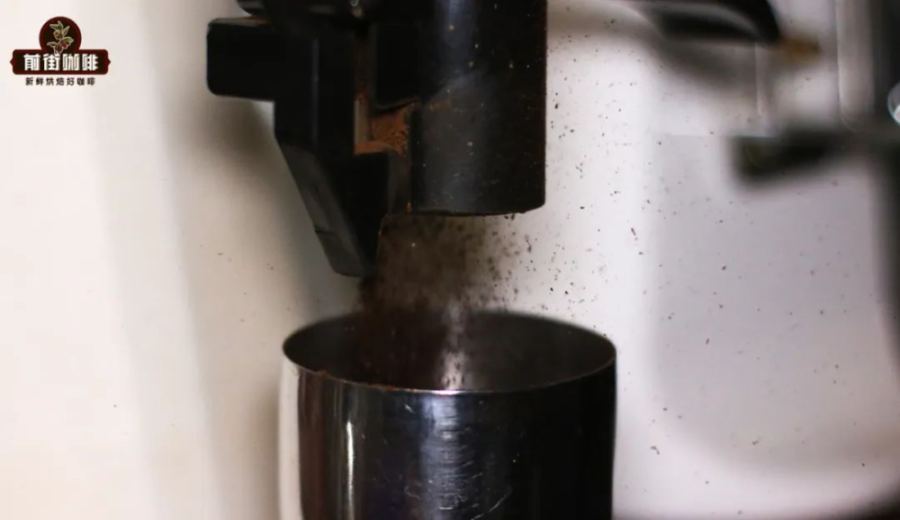
Introduction:Do you often encounter issues like coffee grounds flying everywhere or sticking to the grinder during grinding? This is usually related to the oils in dark roasted beans and static electricity in the environment. This article delves into these two main causes and provides practical solutions, including a moisture spoon method to pre-treat coffee beans for anti-static purposes. It will help you improve grinding efficiency, reduce coffee grounds waste, and is suitable for both hand grinders and electric burr grinders.
Have you noticed that when grinding coffee beans, fine grounds scatter all over the place or stick to the inner walls of the grounds container and the chute, making them hard to clean? These issues generally stem from two main factors: the natural oils released by dark roasted beans and static electricity generated in the environment. Especially in dry indoor conditions, these two phenomena can be more pronounced, not only affecting the collection of coffee grounds but also potentially leading to an actual insufficient amount of grounds, which in turn impacts extraction quality.
Let’s first talk about the oil issue. This is particularly common in dark roasted coffee beans. During the dark roasting process, coffee beans expand in volume due to high-temperature roasting, their internal structure becomes looser, and they release a large amount of carbon dioxide, while oils gradually seep out from the surface of the beans. This gives dark roasted beans a shiny appearance on the surface—some may mistake it for moisture, but it's actually the natural exudation of oils. When these dark roasted beans, rich in flavor compounds, are ground, some fine particles may stick to the inner walls of the grounds container due to the stickiness of the oils, and they’re difficult to completely dislodge even with shaking or tapping.
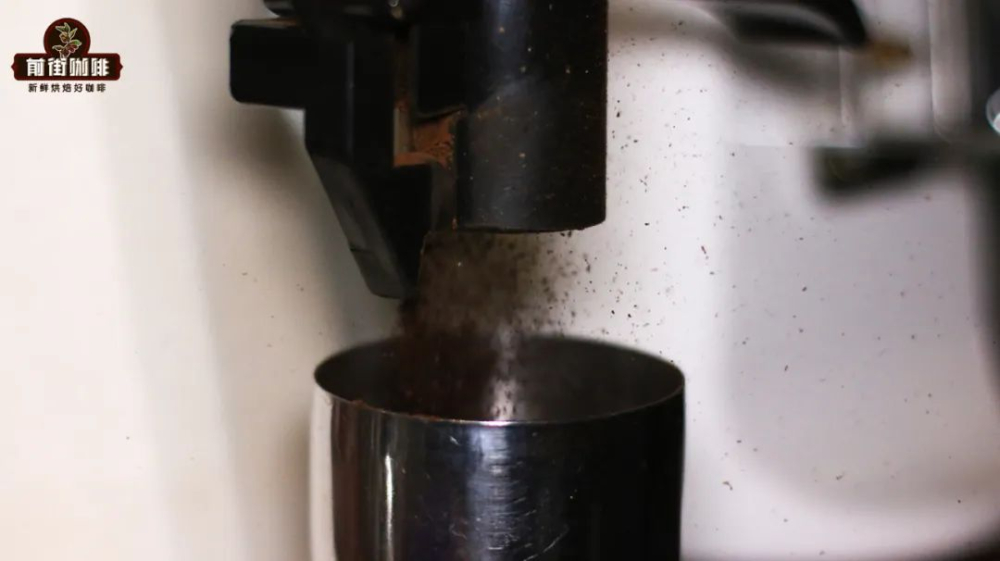
To address this, a simple and effective solution is: after collecting the coffee grounds, use a clean small spoon or similar tool to gently scrape along the inner wall of the grounds container. This helps dislodge the coffee grounds stuck due to the oils, making cleanup and retrieval easier. This method requires no additional tools and can effectively improve the issue of grounds sticking to the container.
The second common issue is static electricity. Especially in dry air environments, coffee grounds are highly prone to generating static electricity after being ground at high speed in the grinder, causing fine particles to cling to the chute or the grounds catcher. You might even experience what’s known as “flying grounds”—where the coffee grounds scatter everywhere instead of entering the catching container. This not only affects the cleanliness of your workspace but also leads to receiving less coffee grounds than expected, which in turn affects the consistency of subsequent brewing.
Many new high-end electric burr grinders come with built-in anti-static features that can effectively reduce such issues. However, most entry-level electric grinders on the market, as well as the vast majority of hand grinders, do not have this feature. For instance, the previously popular Hario Skerton (referred to here as "小富士" or "Little Fuji") has long had problems with grounds sticking to the burrs and severe flying grounds, especially during dry seasons.
If you also face similar static-related issues, you might want to try the following simple preventive measure: before grinding, dip a small spoon or wooden stick in a little water, keeping the tool slightly moist but not dripping, then gently stir the coffee beans for about 10 to 15 seconds. This action neutralizes static electricity on the surface of the beans, effectively reducing the chances of flying or sticking grounds after grinding.
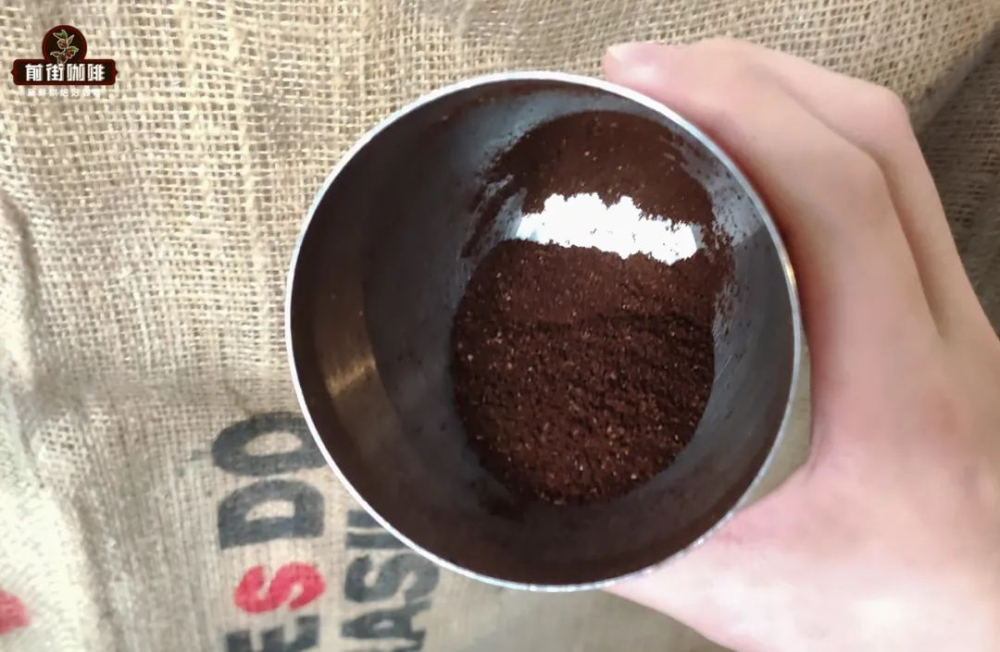
However, this method needs to be used with caution. Improper control of the water amount—adding too much moisture—can cause the surface of the coffee beans to become damp, leading to clumping of coffee particles, affecting grind uniformity, and over time may even cause rusting of the burrs. Therefore, it is recommended to use this method only in extremely dry climates where static is particularly noticeable, and make sure the tool is only slightly moist without dripping. This way, it can effectively prevent static without compromising the original quality of the coffee beans or the lifespan of the grinder.
In summary, although issues like flying and sticking grounds may seem minor, they directly affect the coffee-making process and quality. By understanding the underlying causes related to oils and static electricity, and using simple cleaning tools or pre-treatment steps, you can greatly enhance your grinding experience, reduce waste, and ensure every cup of pour over coffee or espresso starts off in the best possible condition.
The above content is compiled by CoffeeHunters, a coffee news website.


