








Introduction:The charm of pour over coffee lies in the mastery of details, and the pouring technique is the core variable that affects the texture of extraction. This article delves into the interplay between flushing and immersion extraction, helping you understand how the number of pour segments actually impacts the concentration curve, and reveals the scientific principle behind how circular pouring reduces turbulence and optimizes flavor balance. Whether you're a beginner seeking a stable starting point or an advanced enthusiast fine-tuning the details, mastering these key mechanisms can elevate your single-origin coffee experience to the next level.
Pour over coffee is incredibly versatile, but among its many elements, the pouring technique is perhaps the most challenging to master and yet the most influential. Many coffee enthusiasts, in their practice, often focus too much on the nuances of the method while overlooking the underlying principles of extraction. In reality, without understanding the basic logic of how water interacts with the coffee grounds, simply pursuing complex techniques can easily lead to unstable extraction.
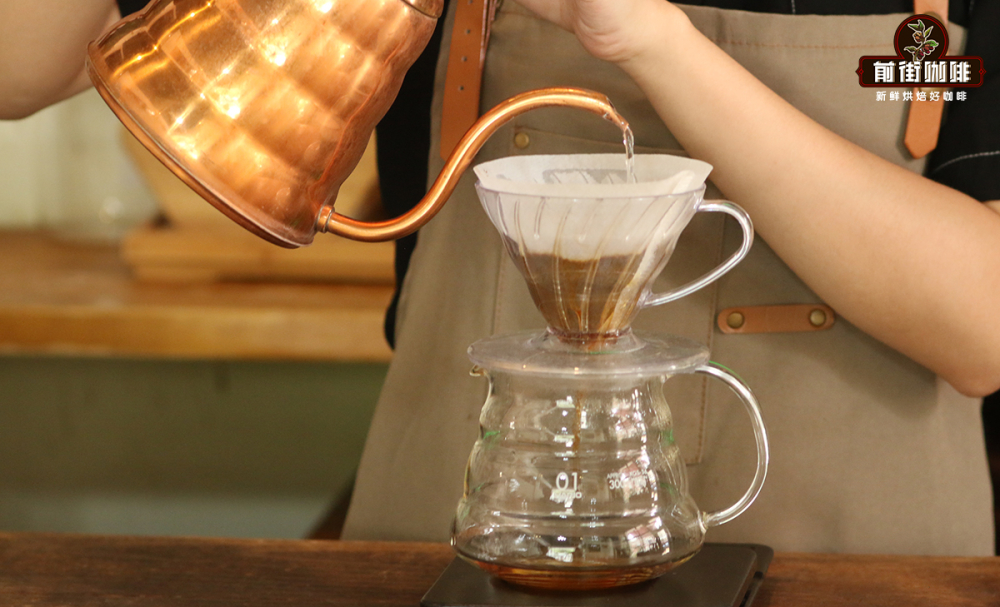
When sharing pour over experiences, we usually don’t emphasize the pouring technique—unless discussing a specific topic. This is because the technique itself involves a high degree of variability, and only by grasping its scientific foundation can one avoid disrupting the extraction balance through over-manipulation.
During the pouring process, when water continuously impacts the coffee bed, the primary effect is “flushing extraction”; whereas during the pauses between pours, the process shifts mainly to “immersion extraction.” It’s worth noting that extraction efficiency under dynamic water flow is generally higher than in a static state, which is why segmented pouring can significantly influence the final flavor.

An increase in the number of pour segments means more frequent cycles of flushing and soaking. In addition to extending the overall extraction time, it also gradually raises the overall extraction yield under unchanged parameters. This dynamic regulation mechanism allows baristas to precisely influence the coffee’s concentration profile through simple segmentation design.
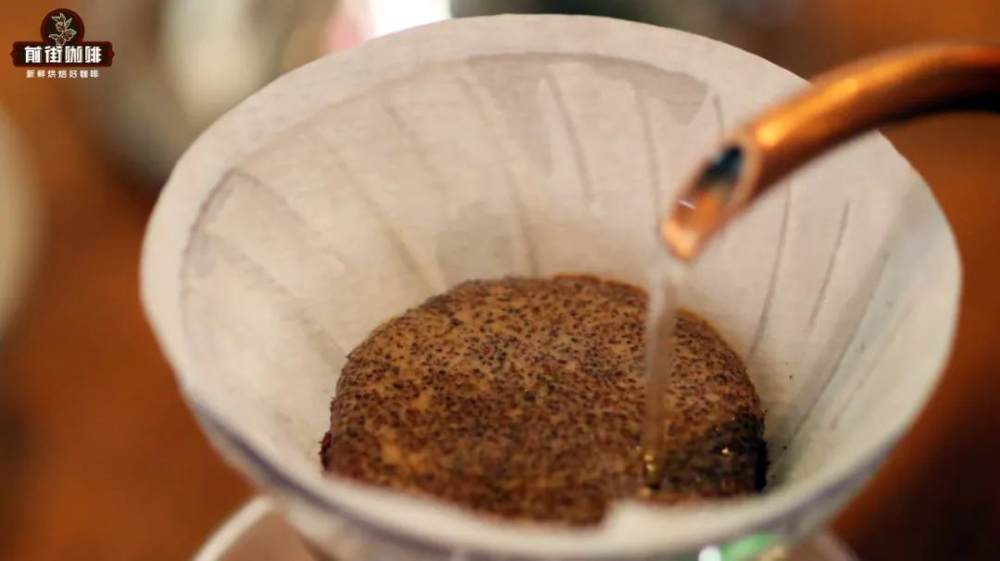
Circular pouring is regarded as a practical technique to reduce turbulence and enhance flushing effects. Imagine mixing medicine—if you stir slowly in a single direction, it helps dissolve the ingredients evenly—pour over coffee works in a similar way. A moderate pouring speed creates a more stable extraction environment; too fast, and you may over-agitate the coffee bed; too slow, and efficiency drops. In practice, it’s recommended to keep the water flow about 2–3 centimeters above the coffee bed surface, maintaining a rhythm of roughly 1 circle per second.

With these foundational principles understood, enthusiasts can adjust their segmentation strategy based on bean characteristics (for example, prioritizing higher flushing intensity for light roasts, and favoring longer immersion times for dark roasts). Remember, stable water flow control paired with an appropriate brew ratio (commonly between 1:15 and 1:17) is the cornerstone of crafting a balanced pour over coffee.
The above content is compiled by CoffeeHunters, a coffee news website.


