







Introduction:Thanks to its refreshing taste and low acidity, cold brew coffee has become the preferred choice for many coffee enthusiasts in recent years. However, compared to traditional hot-brewed Americano, the two differ significantly in caffeine content, energizing effects, and flavor profiles. This article will explore the fundamental differences between cold brew and Americano by examining their brewing principles, and provide practical brewing tips and parameter suggestions to help you choose the most suitable coffee beverage based on your needs.
In the world of coffee, cold brew and Americano are the two most frequently compared black coffee drinks. Although both are made by extracting coffee with water, variations in water temperature, brewing time, and method result in distinctly different flavor experiences and physiological responses. Whether you've opted for a chilled cold brew on a hot summer day or relied on a steaming cup of Americano to kickstart your morning, you've probably wondered—which one is more effective at waking you up? And which flavor suits your palate better?
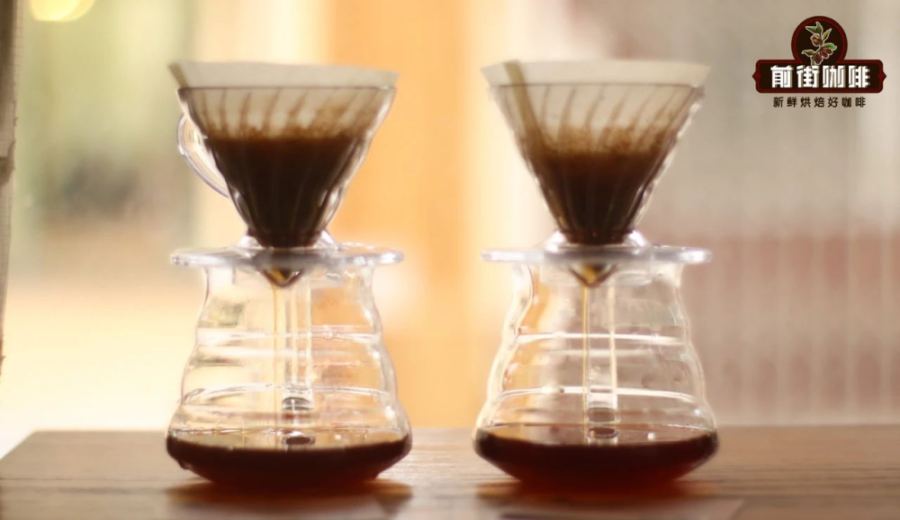
Let’s start with the basic definitions. Americano is typically made by quickly passing hot water (around 90–96°C) through coffee grounds, using high temperatures to rapidly extract acidity, sweetness, and aroma. It releases a higher amount of caffeine and offers a relatively strong, layered taste. In contrast, cold brew involves steeping coarsely ground coffee in room-temperature or chilled water for 8 to 12 hours, resulting in a gentle extraction process that reduces the release of tannins and bitter compounds.
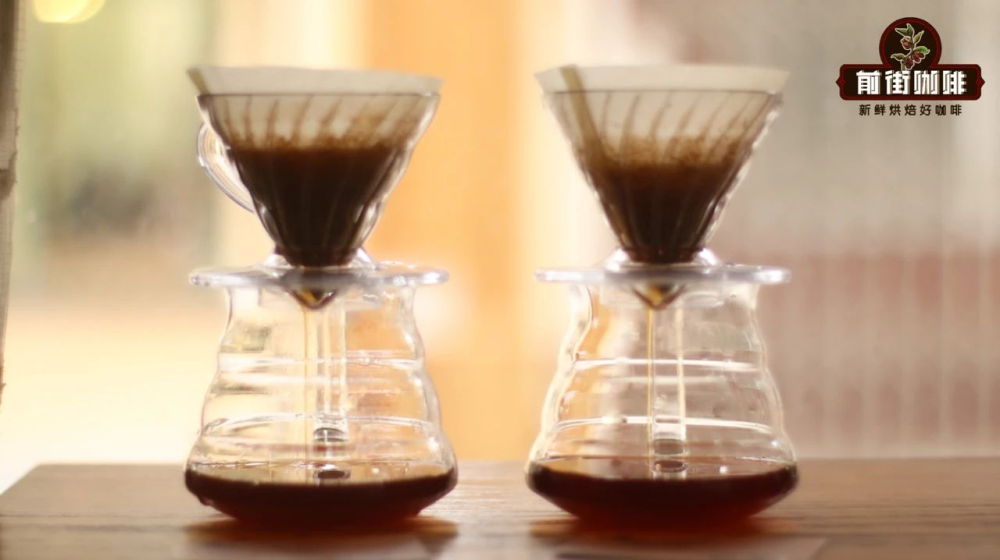
Scientific studies show,cold brew coffee generally has lower acidity than hot-brewed coffee,because compounds that tend to cause sourness and astringency—such as quinic acid and tannins—are released in significantly smaller amounts under low-temperature conditions. Additionally, volatile aromatic compounds in coffee are less likely to dissipate at high heat, while the cold brew process helps retain more delicate floral and fruity notes. As a result, the overall flavor is cleaner and smoother, making it especially beginner-friendly for those unaccustomed to the acidity or bitterness of coffee.
As for the caffeine content, which is of greatest concern to many, there is no absolute higher or lower level between cold brew and Americano—the key factors are the coffee-to-water ratio and total extraction volume. Generally speaking, if using the same weight of coffee beans and similar coffee-to-water ratios (e.g., 1:12 to 1:15), thecaffeine concentration of cold brew may be slightly higher than that of regular Americano,because the longer brewing time allows for more thorough release of soluble substances from the coffee grounds. However, since cold brew is often diluted with a large amount of water, the total caffeine intake per serving still depends on the specific recipe.
In terms of energizing effects, caffeine is absorbed slightly faster in hot beverages, so a hot Americano may deliver a quicker sense of alertness. That said, cold brew doesn’t fall short in total caffeine release, and its cool temperature can also help invigorate the mind. For those who enjoy savoring their drink slowly or seek a refreshing boost in summer, cold brew remains an excellent option.
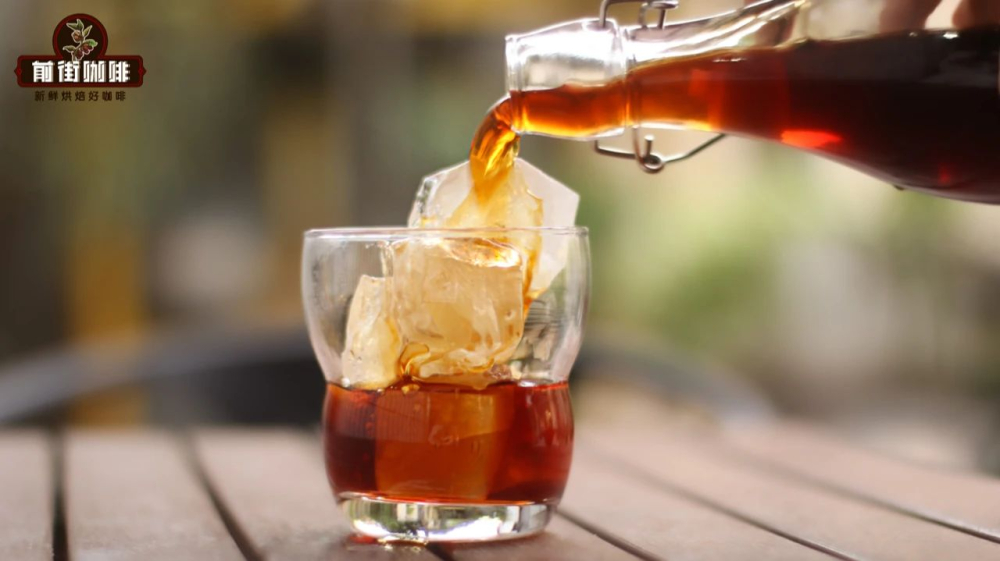
When making cold brew coffee, several key parameters are worth noting:It’s recommended to use coarsely ground coffee beans,similar in size to those used for French press, to avoid over-extraction and minimize sediment. The typical coffee-to-water ratio is set between 1:12 and 1:15, meaning 1 gram of coffee grounds for every 12–15 milliliters of water. The steeping time is advised to be8 to 12 hours,and can be extended up to 16 hours if refrigerated—but going too long may lead to over-extraction and off-flavors. Once brewing is complete, simply filter the coffee before drinking, and feel free to customize with ice cubes, milk, or a small amount of syrup according to personal taste.
As for storage, properly brewed cold brew coffee can maintain5 to 7 daysof flavor stability when kept in a sealed container in the refrigerator, making it ideal for brewing in batches and storing multiple servings. There are also cold brew-specific glass pitchers and filter sets available on the market, which not only make filtration easier but also enhance the overall brewing experience.
Overall, cold brew and Americano each have scenarios and audiences they’re best suited for. If you prefer a clean, low-acidity coffee with delicate floral and fruity notes—and are looking for a refreshing drink in the summer—cold brew is an excellent choice. On the other hand, if you’re accustomed to starting your day with a hot drink, and favor a rich, bold taste along with a quick caffeine kick, then a classic Americano might better meet your needs.
Whichever you choose, understanding the underlying brewing principles and flavor characteristics will help you better appreciate every sip of this wonderful beverage.
The above content is compiled by CoffeeHunters, a coffee news website.


