







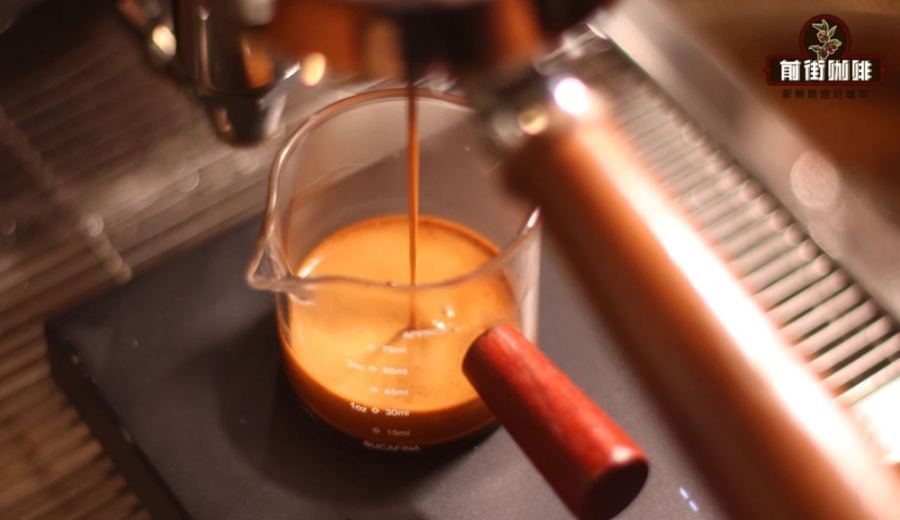
Introduction:When making espresso at home with an espresso machine, adjusting parameters can often be a headache. A slight misstep not only wastes coffee beans but also makes it difficult to achieve the desired flavor. Even professional baristas may need several attempts when dealing with new coffee varieties. This article will take you in-depth into the three key parameters that influence espresso flavor—grind size, coffee dose, and output yield. Combined with a 1:2 coffee-to-espresso ratio and a 25–30 second extraction time frame, it will teach you how to quickly assess grind status by observing extraction time, and provide specific adjustment suggestions for common flavor issues, helping you easily find the optimal extraction solution.
When using an espresso machine at home, the most common challenge is adjusting extraction parameters. A slight misadjustment can not only result in poor-tasting coffee but also waste a lot of beans. Even professional baristas often need to try seven or eight times with a new espresso bean to find the ideal flavor. In fact, as long as you understand how each parameter affects extraction, you can avoid detours and quickly pull a delicious shot of espresso.
To quickly adjust and achieve the ideal espresso, the key lies in understanding the impact of changes in each parameter. The commonly adjustable parameters include grind size, coffee dose, output yield, water temperature, and pressure. Among these, if water temperature and pressure are set reasonably, they generally don’t need frequent adjustments. The parameters that truly require frequent fine-tuning are grind size, coffee dose, and output yield. And among these three,grind size is the most frequently adjusted and also the most impactful parameter.In most cases, simply making minor adjustments to the grind setting can significantly improve extraction results, and only in rare cases do you need to adjust the coffee dose or output yield.
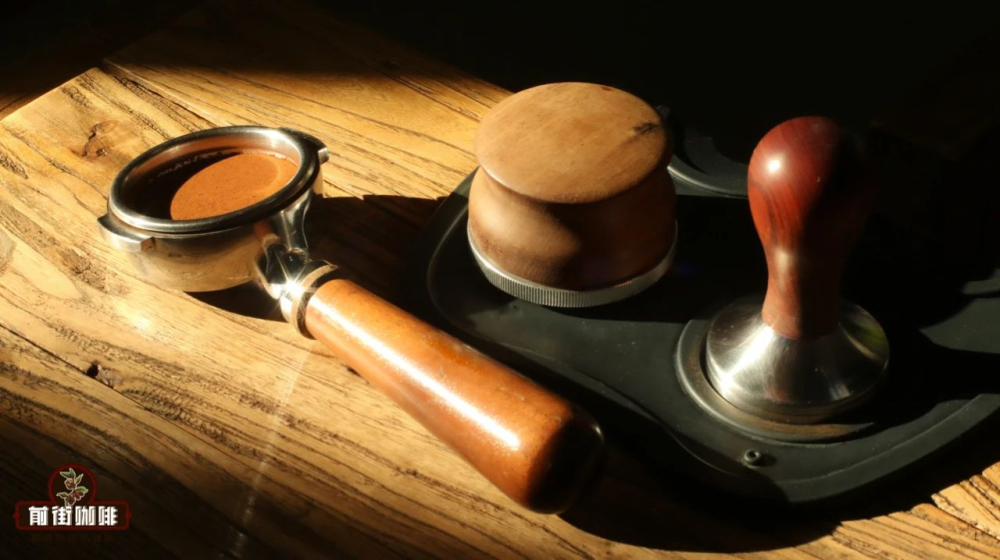
While adjusting the coffee dose can also influence extraction, it is limited by the design of the portafilter basket. Most baskets have a slight inward groove near the rim, and after tamping, the coffee puck should be close to but not exceed this line. This ensures the puck is stable without being overly compressed. Generally speaking, increasing or decreasing the dose by 1 gram is still within a reasonable range, but if the change is too large, it may cause the portafilter lid to not seal properly, or the puck may become too loose and be dispersed by the water flow. Therefore,coffee dose adjustment is usually used as a final flavor fine-tuning step,rather than the first choice.
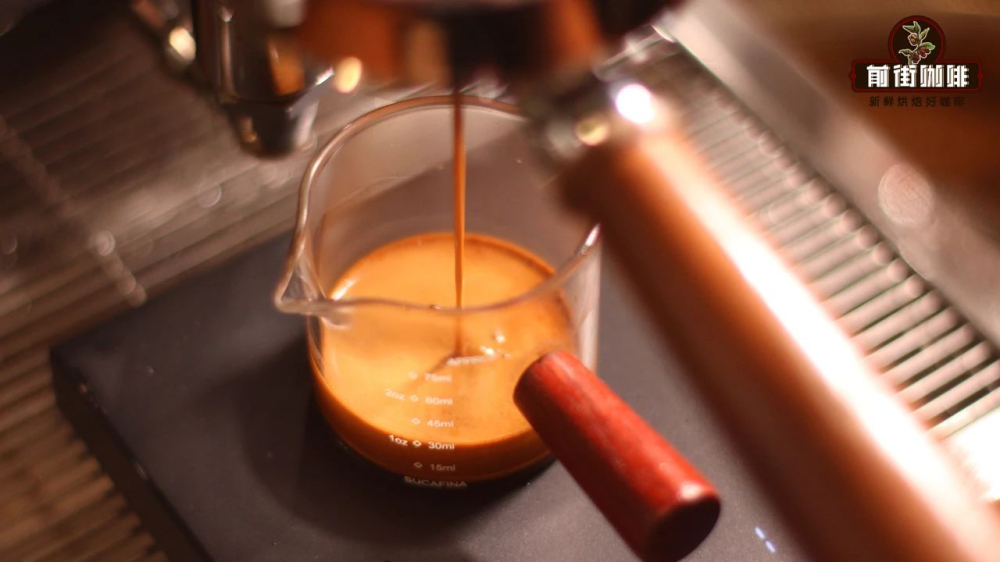
A commonly used espresso extraction reference formula is: use a 1:2 coffee-to-espresso ratio, and control the extraction time between 25 and 30 seconds. The coffee dose is determined based on the capacity of your portafilter basket—for example, if the recommended dose is 20 grams, then use 20 grams of coffee to extract 40 grams of espresso, maintaining the time between 25 to 30 seconds. It’s recommended to start with a grind setting that seems appropriate for an initial extraction, and then judge whether the grind size is suitable by observing the difference in extraction time.
Adjusting the grind setting actually relies quite a bit on feel. After trying a few times, you’ll get a more accurate sense of your grinder’s characteristics, and may even be able to get it right on the first try. If the current extraction time differs from your target time by less than 5 seconds, it’s recommended to adjust the grind in increments of 0.2 steps each time. If the time difference is larger, you can be more decisive and adjust by 0.5 to 1 step each time. Even when adjusting from an extraction time that is too long to one that is too short, first lock in this general grind range, then gradually narrow down the adjustment range until you find the most suitable setting.
Even if you set the parameters according to the 1:2 coffee-to-espresso ratio and the 25–30 second extraction framework, it doesn’t guarantee that the resulting espresso will taste good. This formula only provides a relatively reasonable extraction range,and the final flavor still needs to be fine-tuned based on the characteristics of the coffee beans you are using.Below are several common extraction issues and corresponding adjustment directions, assuming you have already set the grind size according to the formula and your extraction time is 30 seconds.
If the espresso has negative flavors such as burnt bitterness but the overall concentration is acceptable, this usually means the extraction time is too long, resulting in over-extraction of bitter compounds. In this case,it is recommended to make the grind coarser to shorten the extraction time.。
If the espresso has a rich flavor profile but a short aftertaste, you can try slightly extending the extraction time and increasing the output yield—for example, adjusting the coffee-to-espresso ratio to 1:2.5—to allow more flavor compounds to dissolve, thereby extending the persistence of the taste.
When adjusting the grind setting, feel is very important. Initially, you may need several attempts, but once you get the hang of it, you’ll be able to determine which direction to adjust more quickly. Remember, when making micro-adjustments,don’t change the setting too drastically each time,especially when you’re already close to the ideal time. Small tweaks allow for more precise control over flavor expression.
The above content is compiled by CoffeeHunters, a coffee news website.


