







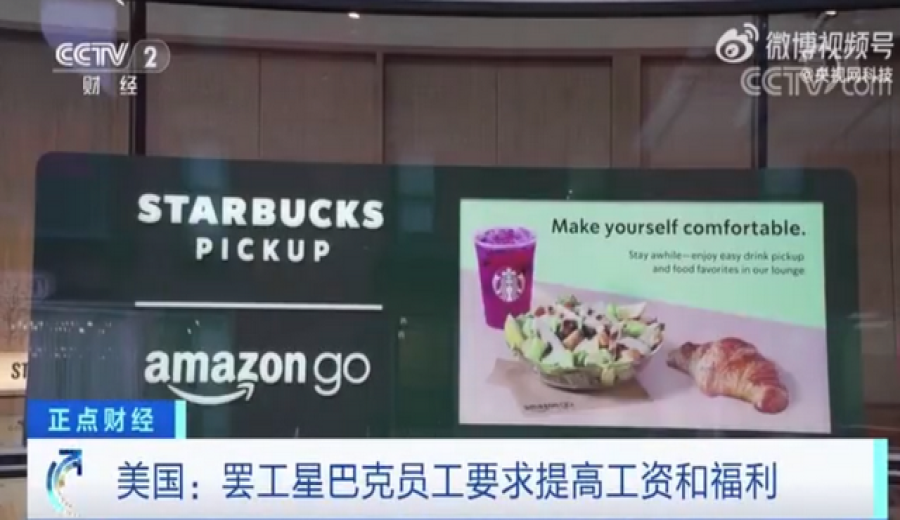
Introduction:On Starbucks’ annual Red Cup Day, employees at over 100 locations across the United States staged a coordinated strike to protest low wages and inadequate staffing. This action marked the largest collective protest since the formation of the Starbucks Workers Union, bringing the labor tensions within the global coffee giant to the forefront. This article details the background of the incident, the current state of Starbucks’ global operations, and the financial and management factors behind the employees' demands.
Employees at over a hundred Starbucks stores in the U.S. launched a joint strike on the highly anticipated annual Red Cup Day, demanding that the company adjust its pay structure and improve store staffing. Initiated by the Starbucks Workers Union, this was the organization’s largest collective protest to date, presenting the world’s largest coffee chain with unprecedented labor relations challenges.
Red Cup Day is an annual holiday tradition for Starbucks, now in its 25th year, held every November. On this day, stores typically give customers reusable red holiday-themed tumblers, and it is also one of the brand’s strongest sales periods of the year. Choosing this busy time for a strike signals employees’ intent to pressure management during peak operational hours.
The trigger for this strike was reportedly Starbucks’ refusal to engage in concrete and meaningful negotiations with the union. Baristas and related staff from over 100 stores decided to take unified action on Red Cup Day, calling for fairer wages and scheduling practices. They argue that current shift arrangements are overly strenuous, while pay levels fail to reflect the actual workload.
As the world’s largest specialty coffee chain, Starbucks currently operates more than 32,000 stores across 82 countries and regions, exerting influence in all major markets. Since its founding in 1971, the brand has been known for its high-quality Arabica beans and consistent in-store experience, with nearly 9,000 company-operated stores in the U.S. alone. In the Chinese market, where it entered in 1999, Starbucks has established over 6,000 stores in more than 230 cities, employing over 60,000 staff, commonly referred to as “partners.”
According to Starbucks’ Q4 and full-year fiscal 2022 earnings report, the company achieved a record quarterly revenue of $8.414 billion as of October 2, up 3.3% year-on-year. However, net profit was only $878 million, plummeting 50.2% compared to the same period the previous year. Full-year revenue reached $32.25 billion, a 11% increase, but net profit stood at $3.28 billion, still down 21.8% from the prior year. This financial performance highlights the cost pressures the company faces amid ongoing expansion.
Regarding the decline in net profit, Starbucks officially attributed it mainly to wage increases for employees, higher investment in onboarding new staff, as well as rising supply chain and raw material costs. However, many frontline employees stated that the actual salary growth they’ve seen is limited, and that the intense scheduling makes work-life balance difficult. Some employees have also alleged that stores not affiliated with the union receive more favorable pay and benefits, exacerbating feelings of internal inequity.
Market analysts pointed out that the U.S. job market has remained strong over the past two years, with unemployment rates consistently at historic lows and statutory minimum wages and average hourly wages gradually increasing. IPG Chief Economist Bai Wenxi noted in an interview that although Starbucks claims its employee compensation is above industry average, the actual rate of increase may still lag behind broader labor market adjustments—this being one of the underlying reasons for the collective protests. Notably, this phenomenon does not overtly contradict Starbucks’ earnings report mentions of improved employee treatment, yet it has sparked strong dissatisfaction among frontline workers at the operational level.
The above content is compiled by CoffeeHunters, a coffee news website.


