







Introduction:The shape of the filter cone plays a pivotal role in shaping the flavor of pour over coffee. From the first trapezoidal filter cone designed by Melitta Bentz in 1912, inspired by blotting paper, to today’s popular V60 and Kono, how has the evolution of filter cones influenced extraction? This article uses Mandheling beans in practical tests to analyze the differences in water flow speed and channeling performance between two types of filter cones, and offers suggestions on grind size and pouring techniques to help you find the right brewing tool.
In the world of pour over coffee, the filter cone is far from a dispensable accessory—it is a core piece of equipment that directly impacts how coffee flavors are presented. Many believe that simply switching filter cones can easily adjust the sweetness or aroma of coffee, but is that really the case? Let’s start with the Melitta filter cone, which debuted in 1912, explore the evolution of filter cone design, and through a side-by-side test of the V60 and the short-spine version of the Kono, uncover how different filter cones actually affect extraction time, mouthfeel, and grind adjustments.
As an iconic tool for pour over coffee, the shape and function of the filter cone have always been a focal point of discussion in the industry. The market is flooded with all kinds of filter cones, and brands often tout features like "sweeter" or "more aromatic," which can lead consumers into a cycle of constantly switching cones. But if we dig deeper, just how much influence do filter cones truly have on flavor? The answer to this question lies in the origins and design principles of the filter cone.
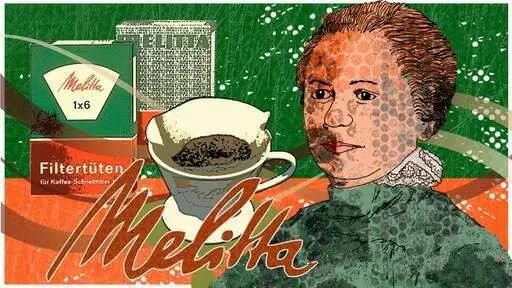
The world’s first recognized coffee filter cone—the Melitta—was born in 1912. However, its design underwent multiple adjustments over the four years before it went into production. While much of the discussion focuses on the ingenuity of the design, the key point is that the shape of the filter cone was largely constrained by the manufacturing process of filter paper. Before filter paper became widely available, people used flannel or metal filters, but these resulted in poor filtration, often leaving fine coffee grounds in the brewed liquid. In 1906, inspired by her son’s blotting paper, Melitta Bentz experimented by punching holes in a brass cup and lining it with blotting paper to filter coffee—this was the prototype of the filter cone. The primary challenge at the time was getting the filter paper to adhere tightly to the cylindrical container to prevent the brewed coffee from flowing out too quickly due to channeling effects.
Once the issue of adhesion was resolved, a new challenge emerged: the single-hole design resulted in extremely slow water flow, with the brewed liquid dripping down “as if thousands of troops were squeezing through a single narrow bridge.” To address this, later versions gradually increased the number of holes to two, three, or even four to improve flow rate. The core of these design evolutions has consistently revolved around two key factors—water flow speed and channeling performance—both of which are directly determined by the total area of the outlet holes and the arrangement of the ribs.
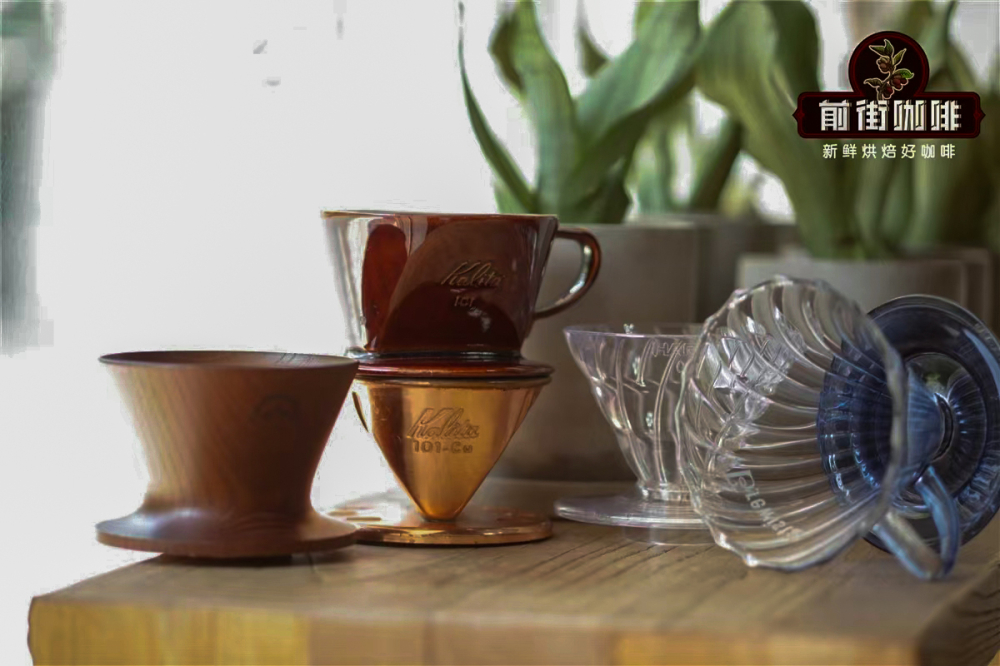
To test the actual performance of different filter cones, we selected Mandheling coffee beans and compared the V60 with the short-spine version of the Kono. The V60 is known for its fast water drainage and resistance to clogging, while the Kono excels in enhancing body through slower flow rates. Under the same parameters, the V60 completed the full extraction in just 1 minute and 55 seconds, whereas the Kono took 2 minutes and 20 seconds. Additionally, the coffee grounds “wall” formed by the Kono was prone to collapsing during pouring, with almost all of it falling into the coffee bed.
In terms of flavor, coffee brewed with the Kono had a richer and fuller mouthfeel, while the V60 produced a relatively cleaner and brighter cup. It’s worth noting that previous research has indicated that the six main parameters of pour over coffee—such as grind size, pouring technique, and coffee-to-water ratio—can be adjusted to control extraction time and flavor. If we consider the filter cone as a seventh parameter, other conditions must be adjusted accordingly—for example, slightly coarsening the grind and reducing the pouring circle diameter to avoid disturbing the coffee grounds wall. In our tests, after making these adjustments, the extraction time was 2 minutes and 3 seconds, and the flavor differences between the two filter cones became significantly less pronounced, almost indistinguishable.
The above content is compiled by CoffeeHunters, a coffee news website.


