








Introduction:In 2022, 2015 WBC champion Sasa Sestic introduced the revolutionary Paragon brewing device at the Australian Brewing Championship. By using specially designed ice stones in the filter cone to trap volatile coffee aromas, the official price tag reached as high as $4,292 USD. However, YouTube tests revealed that its core technology is similar to common stainless steel ice cubes, with domestic affordable alternatives costing just a few dozen yuan. This article delves into how Paragon enhances the TDS and flavor profile of Geisha coffee, and compares the practical differences between professional devices and budget solutions.
Although 2015 World Barista Champion Sasa Sestic did not win the 2022 Australian Coffee Brewing Championship, he sparked discussion by taking second place in the specialty division—he showcased the Paragon brewing system. By placing specially made ice stones in the center of the filter cone, it rapidly cools the coffee liquid during the early to mid stages of extraction, reportedly capturing up to 40% of volatile aromatic compounds.
This technology, developed in collaboration with scientist Professor Jahan and the Swiss Center for Coffee Excellence, was initially designed to highlight the fruity characteristics of green-tip Geisha fermented at low temperatures for 90 hours. Sasa explained that while high-temperature extraction releases abundant aromas, they tend to dissipate over time. Paragon, through staged cooling, helps preserve a more complete aroma profile when the coffee reaches the palate.

Practical data shows that using the same Geisha beans and V60 filter cone, coffee brewed with Paragon achieved a TDS of 1.37, significantly higher than the 1.27 of traditional brewing. This 0.1 difference reflects a more concentrated flavor expression: melon aromas are more pronounced, sweetness is enhanced, and both body and acid-sweet balance are noticeably strengthened.
However, the price of the professional device is astonishing—the entire brewing stand plus metal ice stones is priced at $4,292 USD (approximately NT$30,000). A YouTube channel’s teardown test found that the internal structure of the ice stones is similar to edible-grade stainless steel ice cubes commonly used in bars. Shaking them reveals the sound of liquid coolant (a mixture of alcohol and water) moving inside, while Taobao offers similar products for just a few dozen RMB.
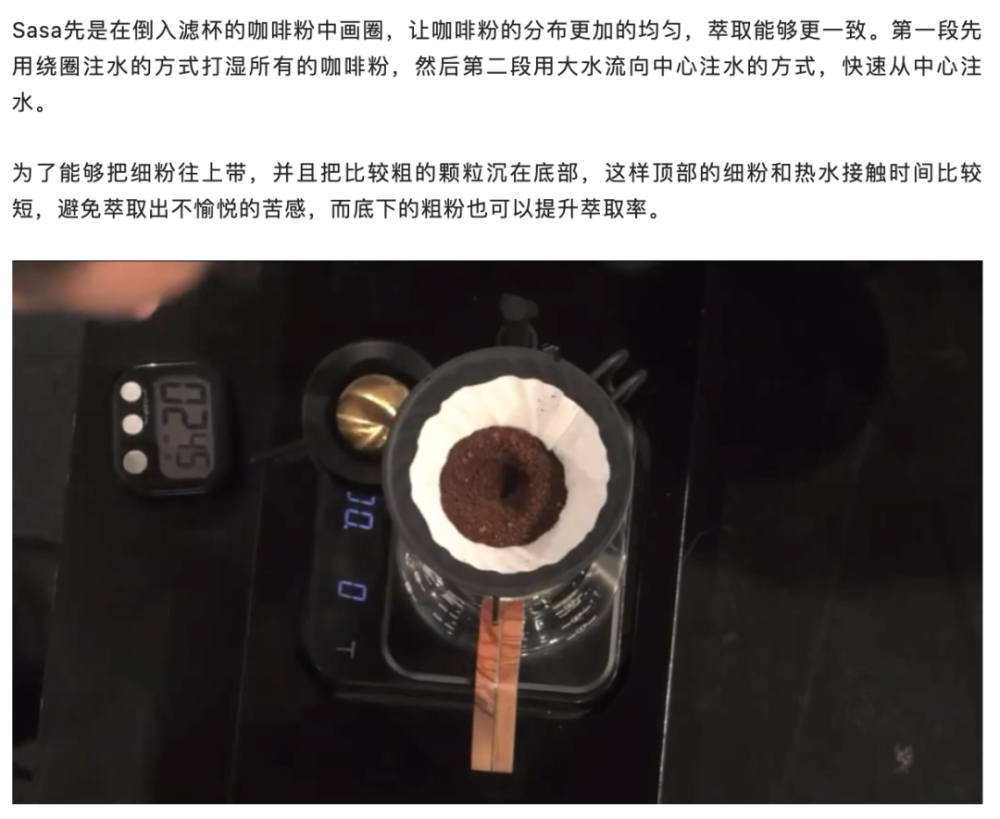
Although the materials of budget alternatives are similar, the uniqueness of Paragon lies in the precise design of how the ice stones interact with the filter cone: as coffee liquid drips onto the surface of the ice stones, it is evenly dispersed and rapidly cooled, creating a gentler aroma retention effect. Testers observed that ordinary stainless steel ice balls may not achieve the same level of flow control or aroma locking precision.
In terms of flavor profile, directly brewed V60 Geisha presents clear melon notes and a tea-like aftertaste, with a medium body and a slight chocolate finish. The Paragon version, however, pushes the fruit aroma concentration to the extreme—aromas rush to the nose upon the first sip, sweetness and overall fullness are significantly elevated, though the overly concentrated profile may mask more delicate nuances.
Practical advice: If you’re on a budget, try DIY solutions—place a food-grade stainless steel ice ball under the V60 to catch the dripping coffee, or use a 3D-printed custom diverter rack to simulate Paragon’s dripping path. Be mindful of ice stone temperature control (recommended pre-cooling to below 4°C), and avoid letting melted ice water mix directly into the coffee, which could affect concentration.
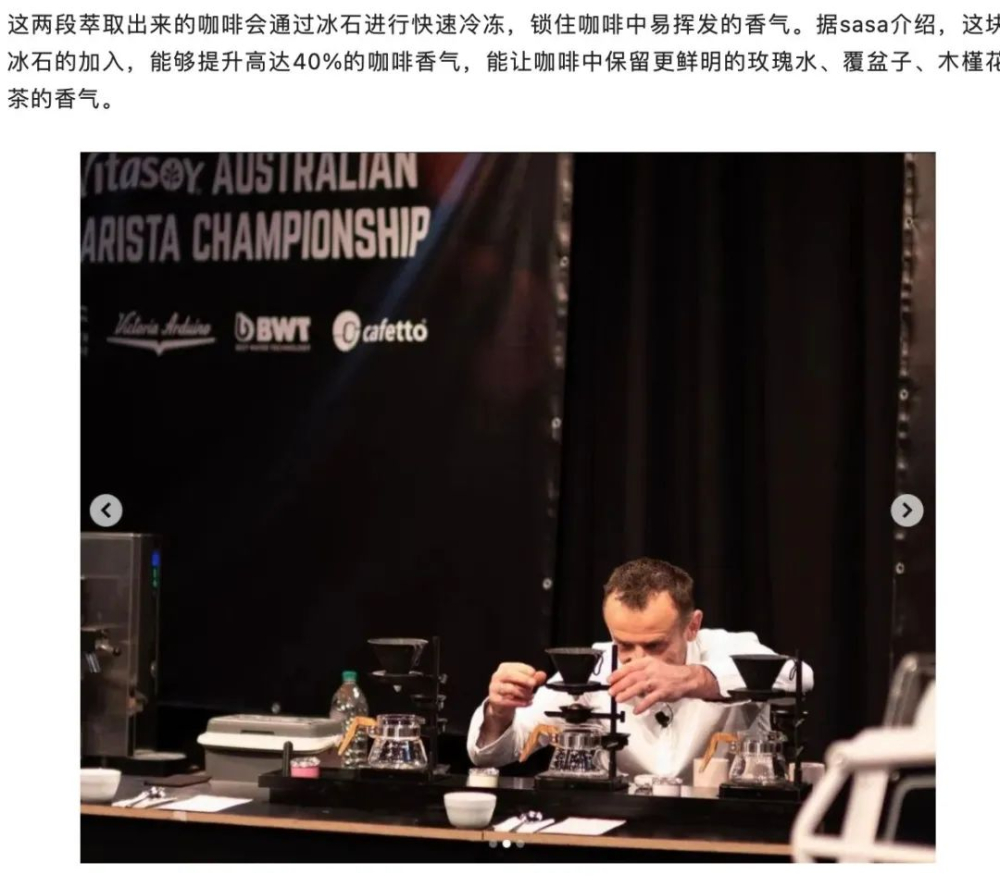
In summary, Paragon has indeed demonstrated the scientific benefits of staged cooling for aroma retention, but its $30,000 price tag and the actual technical threshold have led many coffee enthusiasts to seek more affordable alternatives. Whether choosing a professional device or a budget method, the key lies in understanding the volatility of aromas and achieving the optimal extraction balance through parameter adjustments (such as grind size, water temperature, and flow rate).
The above content is compiled by CoffeeHunters, a coffee news website.


