








Introduction:In recent years, more and more coffee enthusiasts have grown dissatisfied with store-bought roasted beans and have turned to roasting green beans at home. From traditional methods like slow-frying in an iron pan or roasting on black sandstone, to creative approaches using rice cookers, ovens, air fryers, and even bold experiments like deep-frying—various non-professional techniques abound. This article delves into the feasibility and characteristics of these home roasting methods, with a focus on the deep-fried coffee bean experiment by 2007 World Barista Champion James Hoffmann, examining its operational details, flavor profile, and practical insights.
In recent years, many coffee lovers have moved beyond simply purchasing pre-roasted beans and have begun experimenting with roasting green beans themselves to explore more possibilities. Although there are already many small roasting devices suitable for home use on the market, many hands-on enthusiasts still prefer to do it themselves, using a variety of unconventional tools for roasting.
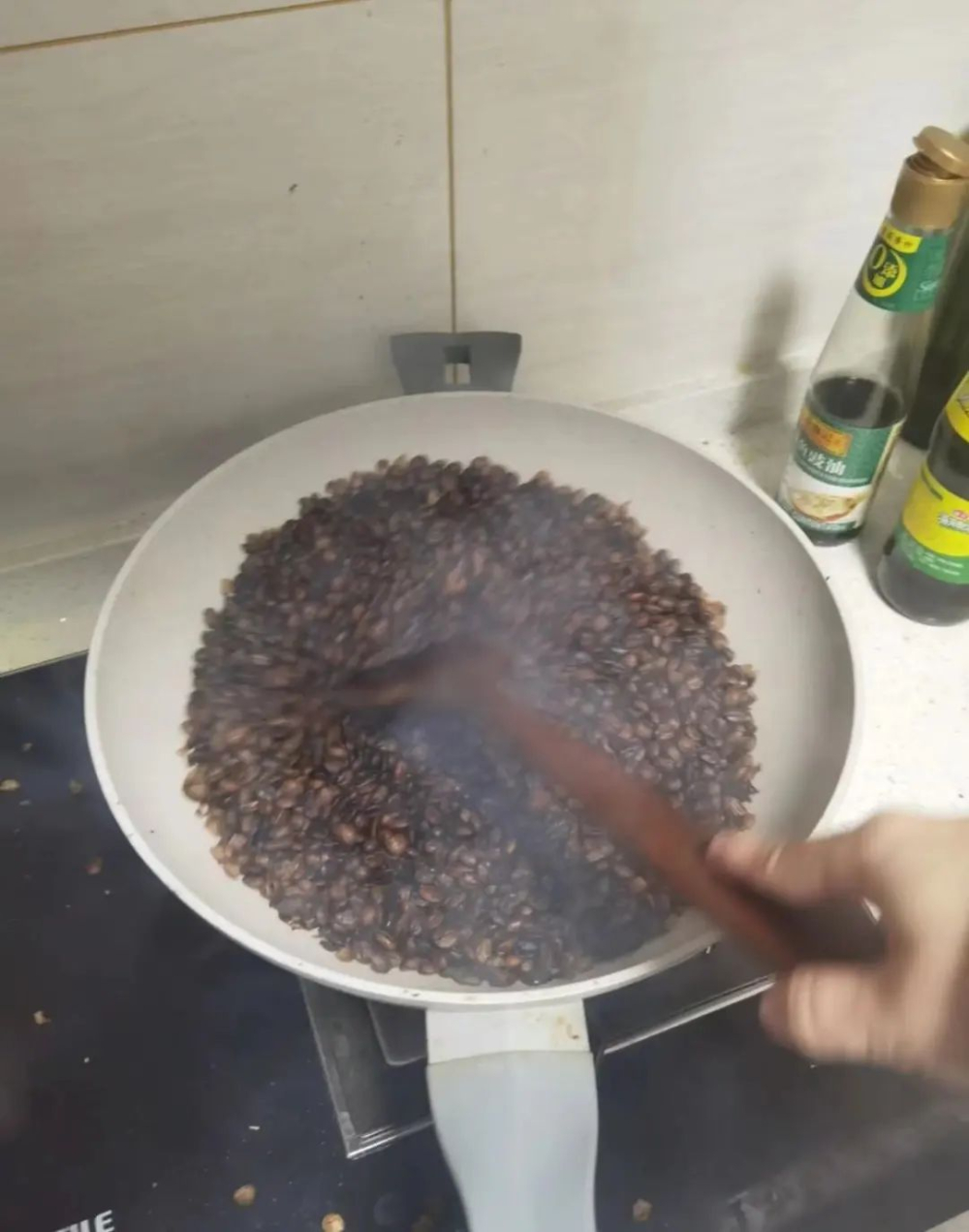
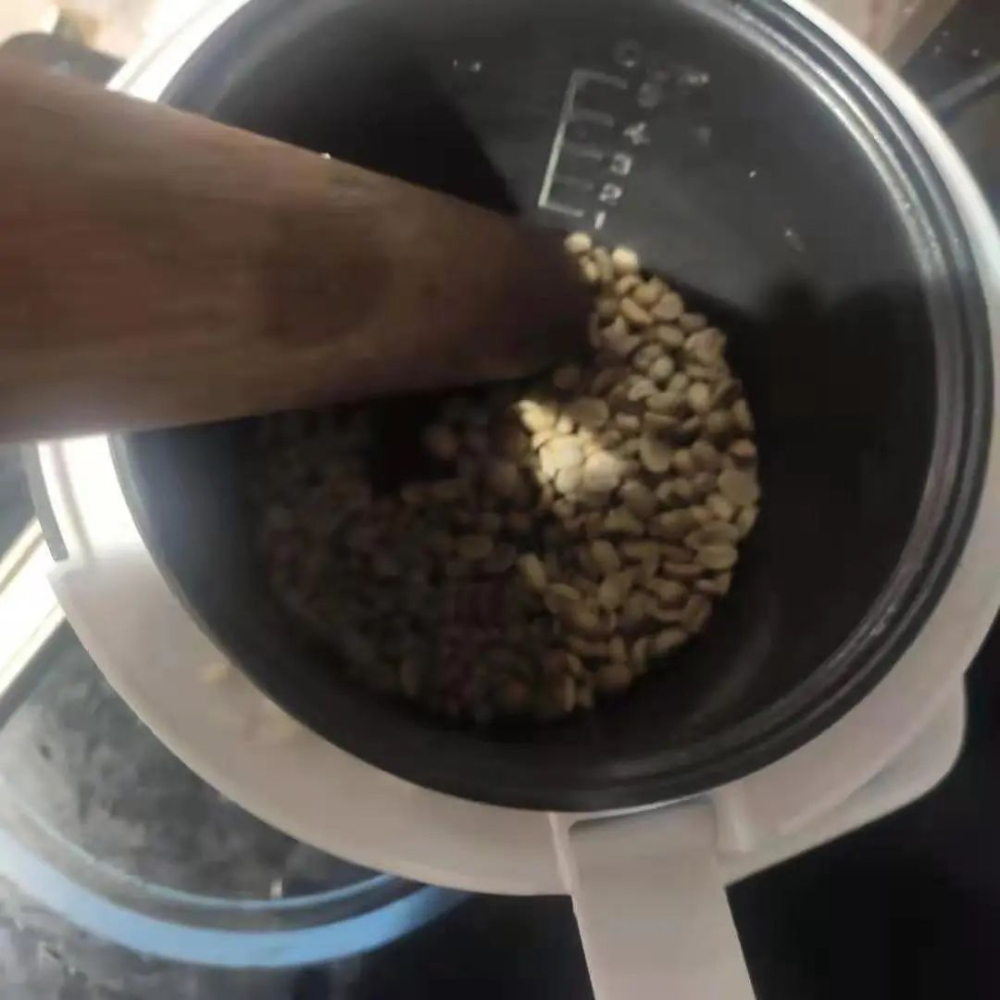
Among these, slow-frying in an iron pan is the most common entry-level method, but due to uneven heating, many switch to using black sandstone to simulate a professional roasting environment. Some have also found that rice cookers can achieve relatively even heating through continuous stirring, as long as one controls the heat and cleans the chaff in time, allowing for a basic roast to be completed.

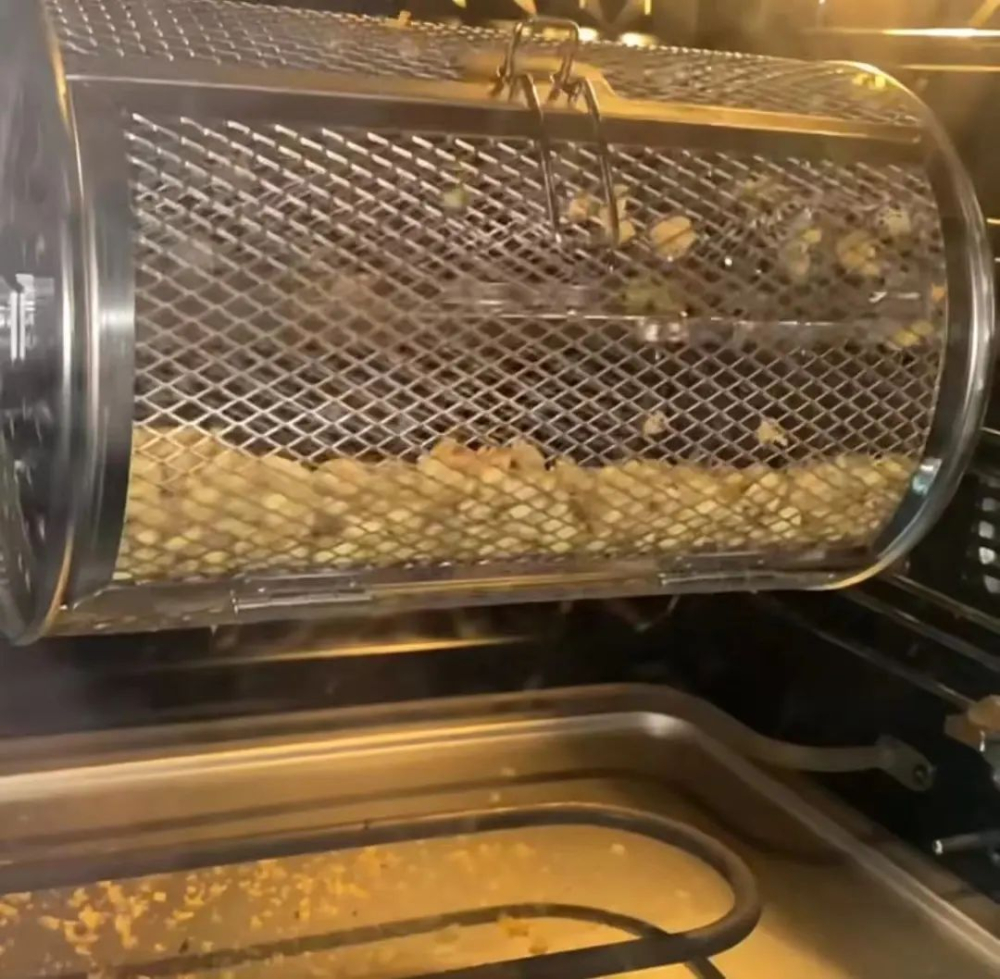
Ovens are also a popular choice for many households, especially models with a rotating function. With slight modifications, such as adjusting the rack or using a specialized roasting cage, coffee beans can be heated more evenly. However, the downside of oven roasting is that chaff is not easily expelled, and each time the door is opened, the temperature drops significantly, affecting roasting consistency.
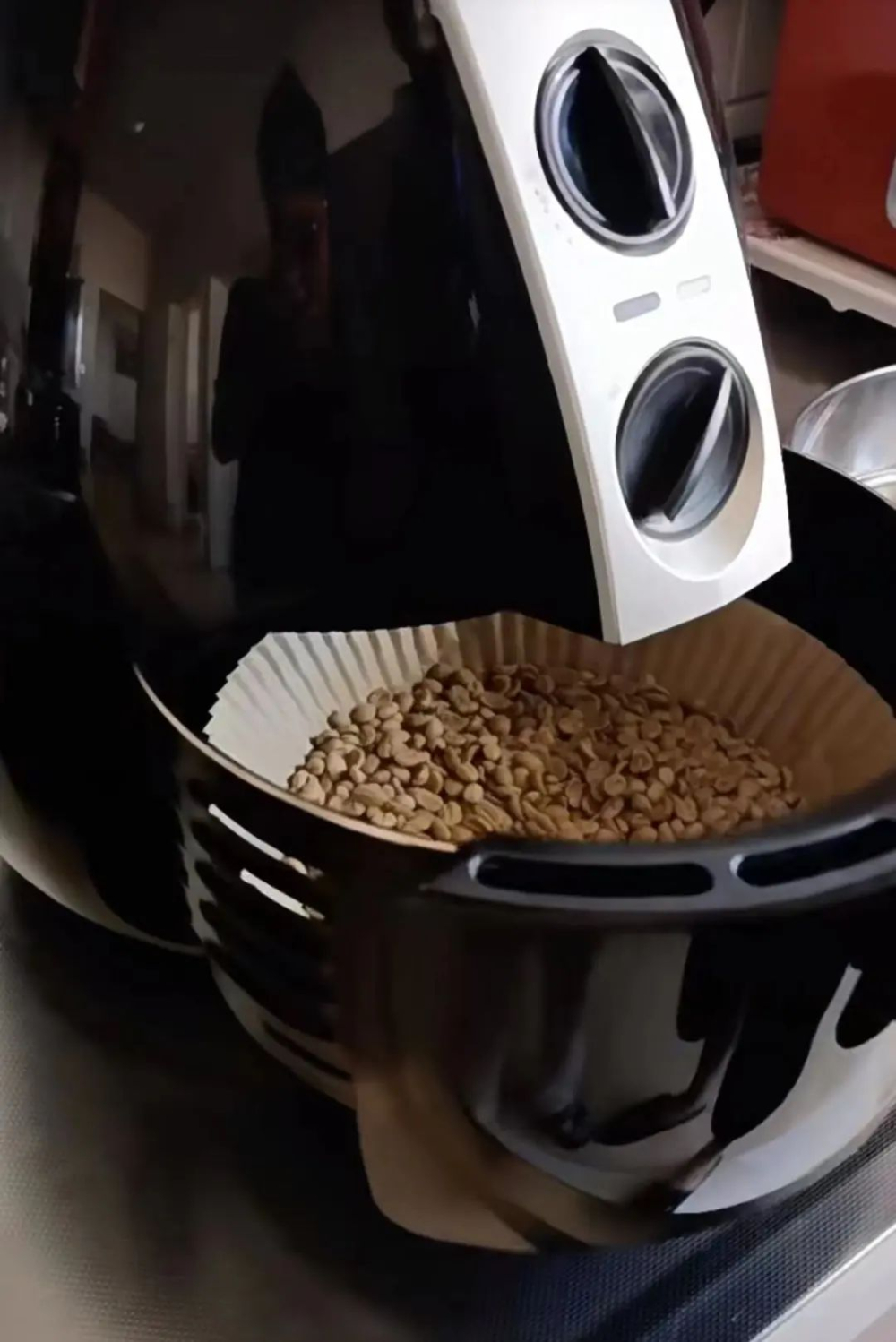
Air fryers are considered by many experimenters to be the most “reliable” non-professional tool currently available, as their high-heat air circulation provides relatively even heating, and the process can be paused midway to remove chaff, offering greater operational flexibility.
However, what truly surprises people is the deep-fried coffee bean experiment conducted by 2007 World Barista Championship (WBC) champion James Hoffmann in his video. He pointed out that most home roasting methods—whether professional roasting machines, ovens, or air fryers—essentially rely on convection, radiation, and conduction of heat to trigger the Maillard reaction and caramelization in coffee beans, thereby creating unique flavors.
Deep-frying, on the other hand, is completely different. It transfers heat directly through high-temperature oil, which is extremely efficient, rapidly and evenly heating the coffee beans. Based on long-standing curiosity, Hoffmann decided to take on this rare experiment.
In the experiment, he used a professional deep fryer, setting the oil temperature to170°C, and selected 100 grams of Ethiopian washed beans. To prevent the oil temperature from dropping sharply due to the large quantity of beans, he controlled the amount added. Because Ethiopian beans vary in size, he opted for a mesh strainer with smaller holes, but was still concerned that some beans might fall into the oil, so he proceeded with caution throughout to avoid shaking.
After being added to the fryer, the coffee beans did not immediately produce noticeable cracking sounds due to their high surface moisture content. After10 minutesof deep-frying, the beans gradually turned a milk chocolate color. Since there was no clear “first crack” as a reference, Hoffmann mainly relied on color changes to judge the roast level, and ultimately decided to remove the beans.
To reduce oil residue, he first blotted the beans with kitchen paper, then did a second round with a tea towel, while using a handheld fan to rapidly cool them down and simultaneously remove the chaff. Due to the high viscosity of the oil, most of the chaff had solidified and was less likely to scatter.
Surprisingly, the internal and external colors of the deep-fried beans were very uniform. Despite the glossy surface, Hoffmann still decided to grind the beans using a hand-cranked grinder, even though he anticipated it might put strain on the machine. The ground coffee resembled superfine sugar granules, but because the structure hadn’t changed significantly due to the frying process, water flowed through slowly, resulting in a dense, muddy-like coffee bed.
When tasting, Hoffmann was initially skeptical, but was quickly drawn in by its unique flavor. He noted that the deep-fried beans exhibited a distinct herbal character, with dry aroma resembling fried potato chips—very different from the common fruity and floral profiles—but the mouthfeel was unexpectedly smooth and silky. Although it had a slight grassy note and seemed underdeveloped, the overall performance was still impressive.
Finally, Hoffmann emphasized that this experiment is not meant to encourage everyone to try deep-frying coffee beans, but this method indeed offers a flavor experience completely different from traditional hot-air roasting, and is worthy of consideration and exploration by coffee enthusiasts.
The above content is compiled by CoffeeHunters, a coffee news website.


