







Introduction:New Chinese-style coffee, which combines traditional elements such as gaiwan (lidded bowl) and Chinese medicinal herbs, has sparked a wave of enthusiasm in the market. But behind the lavish packaging, is the essence of coffee being overlooked? This article analyzes the current state and challenges of new Chinese-style coffee, exploring how to preserve the professional essence of coffee within cultural innovation, and helping readers understand the true nature of coffee behind the trend.
In recent years, the concept of "new Chinese-style" has become a trend in the food and beverage industry, and the coffee sector is no exception. From coffee served in gaiwan to creative drinks that incorporate Chinese breakfast items or traditional herbs, businesses are blending coffee with elements of Chinese culture to explore new markets. This localization trend, riding on the wave of national fashion, has successfully captured attention—but it also raises a critical question: What will consumers remember—coffee itself, or those exquisitely presented forms?
The rise of new Chinese-style coffee reflects a reinterpreted take on food culture by younger generations. Traditional Chinese dim sum, through innovative techniques, retains the spirit of ancient methods while suiting modern palates; coffee, once seen as an upscale imported product, now dons a Chinese style under the influence of national trends. However, globally common extraction methods and familiar creative recipes can no longer satisfy the new generation’s desire for novelty.
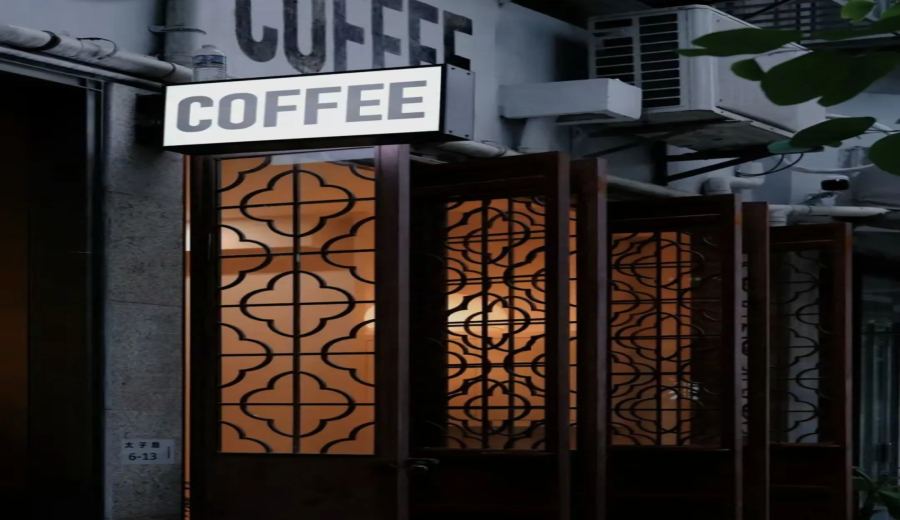
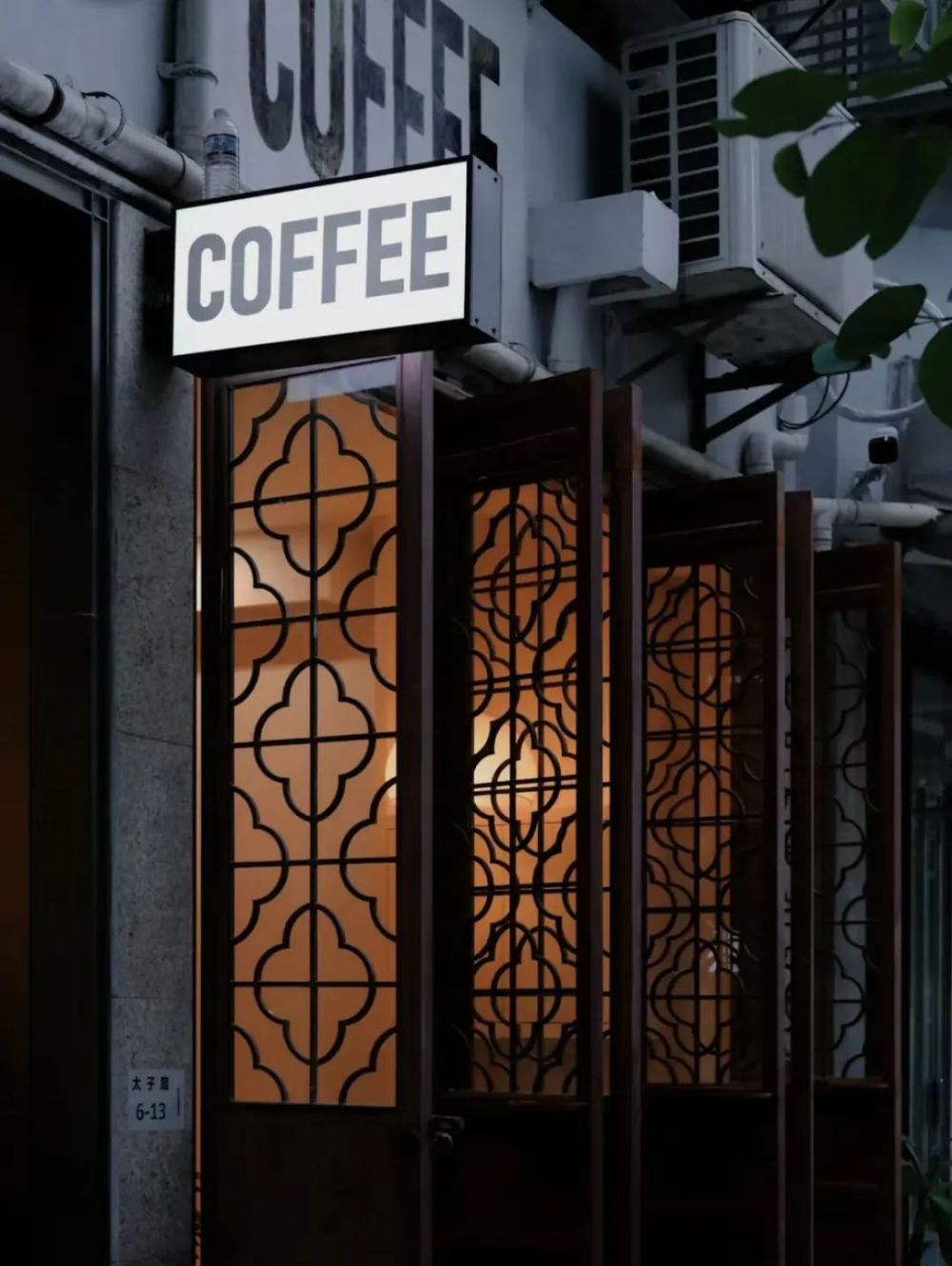
To address this, many coffee professionals have started incorporating local dietary culture, Chinese spatial design, and even traditional cooking methods such as low-temperature simmering into coffee preparation. From store interiors to menu design, Chinese elements are everywhere; coffee is often presented in traditional vessels such as gaiwan or chicken bowl, paired with Chinese breakfast items, herbal ingredients, or regional snacks to create a friendly image. This “sinofication” strategy has indeed carved out a niche in the coffee market, rapidly rising with the momentum of the national trend.
But can this path be sustained? Many so-called new Chinese-style coffees merely cater to the surface of new consumption trends, lacking deep cultural roots or professional foundation. Without solid coffee expertise and a pursuit of flavor, they may struggle to avoid being forgotten once the trend fades. Currently, the demand for coffee in the market largely remains superficial, with only a minority truly focused on the intrinsic flavors of coffee.
Take Yunnan coffee as an example: consumer support often stems from identification with regionality or national fashion, rather than a deep understanding of coffee flavor. Few understand the efforts growers make to improve quality or the professional techniques roasters use to showcase coffee’s potential. New Chinese-style coffee places too much emphasis on external form, overshadowing the inherent charm of coffee. If a drink only attracts attention through packaging but fails to leave a lasting impression based on its actual taste, it will ultimately be hard to sustain.
Of course, new Chinese-style coffee also has its positive impact—it gets more people to start engaging with coffee. What matters is seizing this opportunity to drive Chinese-style coffee toward greater professionalism and higher quality, balancing the essence of coffee with cultural innovation. Only by considering both form and content can we genuinely nurture long-term consumer passion for coffee and inject sustainable vitality into the market.
The above content is compiled by CoffeeHunters, a coffee news website.


