







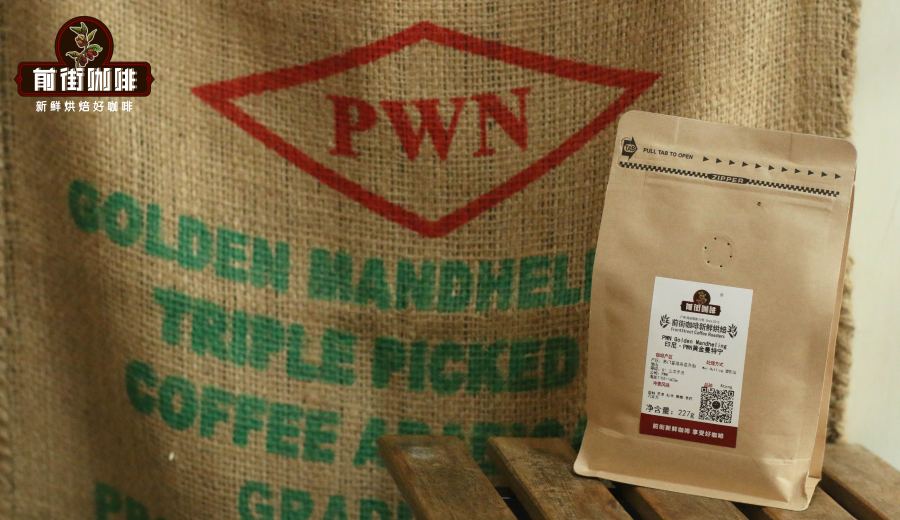
Introduction:Many coffee enthusiasts often face the dilemma of how to properly store freshly roasted beans after purchasing them. This article delves into common misconceptions about coffee bean storage, including whether to use airtight containers, seal the degassing valve, or freeze the beans. We’ll analyze the difference between flavor and taste, explain the concepts of resting and optimal consumption periods, and provide practical storage tips to help you preserve the best flavors of your coffee and avoid wasting good beans.
Just after Double Eleven, many coffee lovers took the opportunity to stock up on freshly roasted beans—but this also brought plenty of questions: how long can unopened coffee beans be kept? What’s the best way to store opened beans to minimize flavor loss? These are common concerns. This article will thoroughly explore various coffee storage methods and myths to help you store your beans more scientifically and enjoy the freshest flavors possible.
First, we need to clarify the difference between “flavor” and “taste.” Flavor generally refers to the aroma of coffee—such as the rich fragrance when grinding beans or the pleasant scent wafting from the cup after brewing. When coffee beans go stale, the most noticeable change is that these aromas become dull or even develop off-notes reminiscent of peanuts or almonds, and the brewed coffee may also seem weak in aroma. However, the basic taste profile of coffee—acidic, sweet, bitter, and salty—remains largely intact because these primarily come from water-soluble compounds that do not easily evaporate. Therefore, what we commonly refer to as “staling” is mainly the loss of aroma, not the complete disappearance of taste. Generally speaking, coffee beans remain safe to drink within their shelf life (about 12 months).
So, how long can the flavor of coffee beans actually last? This depends on several factors, including roast level, bean variety, and storage environment. Typically, after roasting, coffee beans go through a “resting period” of about 4 to 7 days. During this time, they release carbon dioxide while their aroma gradually develops to its peak. This is followed by the so-called “optimal consumption period” or “flavor window,” which usually lasts around 30 to 45 days. During this time, the coffee’s flavor performance is at its best. As time goes on, the aroma gradually dissipates, and even if the taste remains, the overall drinking experience will be significantly diminished.
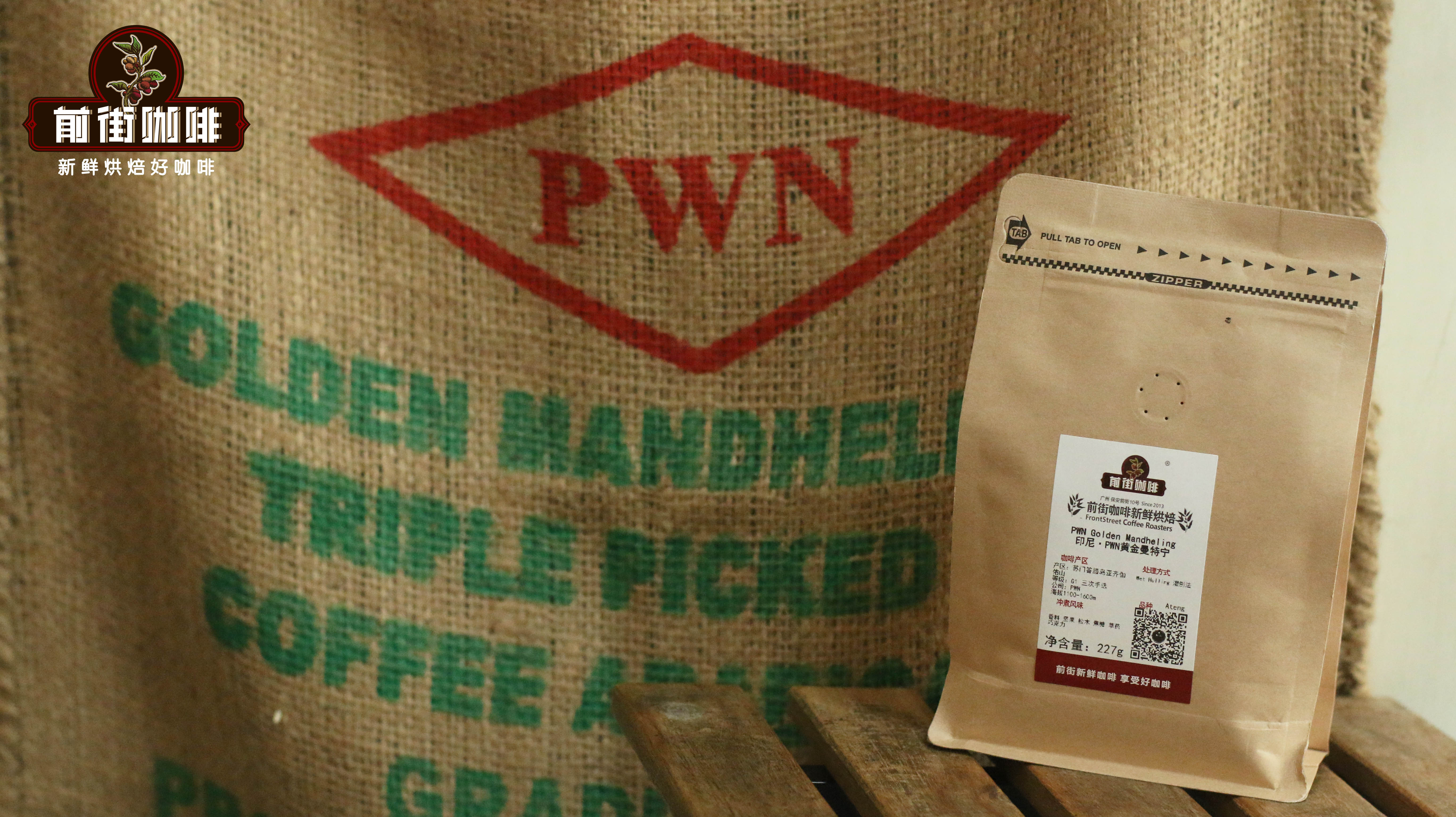
When it comes to storage methods, one of the first things many people think of is sealing the degassing valve. Some consumers, upon receiving their coffee beans, immediately tape over the one-way degassing valve on the packaging bag, believing this prevents aroma from escaping. However, this is actually a common misconception. The primary function of the one-way valve is to automatically release excess gas (usually carbon dioxide released by the beans) when internal pressure gets too high, preventing the bag from bursting. Under normal circumstances, the valve does not operate actively unless the internal pressure rises noticeably. Therefore, manually sealing the valve not only fails to effectively preserve flavor but may even cause the packaging to deform or even burst due to trapped gas unable to escape.
As for storage after opening, some people choose to transfer the beans into a sealed jar. If a high-quality airtight container is used, it can indeed offer some protective benefits. But in reality, the preservation capability is not much different compared to the original factory-sealed coffee bag with a sealing strip. What truly affects the rate of flavor loss is how often and for how long the packaging is opened. Each time the package is opened, the beans are exposed to air, accelerating the dissipation of aroma. This is also why some coffee may perform well upon first opening but shows a noticeable decline in flavor just a few days later upon subsequent brewing.
Next, let’s discuss a controversial topic: can coffee beans be stored in the freezer? This method has been tried by many because it sounds like it could “slow down oxidation.” However, in practice, the risks of freezing often outweigh the benefits.
First is the issue of odor absorption. If your freezer contains other food items, especially those with strong smells, coffee beans can easily absorb these odors. Furthermore, if the freezer isn’t cleaned frequently, the long-term accumulation of “freezer smell” can also affect the beans. Second is the issue of moisture during thawing. When coffee beans are suddenly moved from a cold freezing environment (e.g., -10°C) to room temperature (around 28°C), moisture in the air can condense into water droplets on the bean surface, causing them to become damp. This not only impacts flavor but may also accelerate spoilage.
So, how should you store coffee beans to preserve their flavor as much as possible? In truth, no matter which storage method you use, the aroma of coffee beans will gradually fade over time—that is unavoidable. Therefore, the most practical advice is to buy according to your own consumption habits—ideally, purchase about a one-month supply at a time. This ensures that each brew delivers fresh flavor and helps avoid waste from overstocking.
If the coffee beans are still unopened, simply store them in a cool, dry, and dark place—the original packaging usually provides adequate protection. Once opened, it’s recommended to reseal the package using the built-in sealing strip and ensure it closes tightly. If the packaging is damaged or doesn’t close properly, it’s better to switch to a professional airtight container. Under normal usage, proper storage, and infrequent opening, the flavor of the beans can typically be maintained for about 30 days.
The above content is compiled by CoffeeHunters, a coffee news website.


