







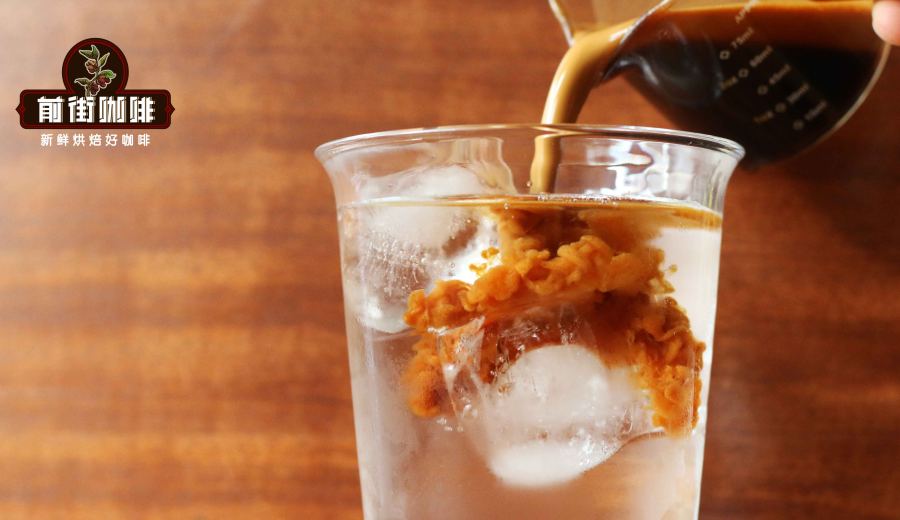
Introduction:Americano is a basic black coffee that many people drink daily, but quite a few are taken aback by its pronounced bitterness the first time they try Starbucks’ version. What exactly makes Americano so bitter? In fact, it’s directly related to the type of coffee beans used, the roast level, the beans’ storage condition, as well as the brewing parameters. This article delves into the characteristics of Starbucks’ dark-roasted beans, explains the evolution of Americano, and provides practical brewing guidelines and blend suggestions to help you adjust your Americano to your preferred taste.
So-called Americano is essentially black coffee made by diluting a shot of espresso with hot water. The method is simple and it is almost a staple beverage in coffee shops around the world. However, first-time consumers of Starbucks Americano often find its distinct bitterness uncomfortable. In reality, whether an Americano tastes bitter hinges on several key factors: the quality of the green beans, the depth of roast, the freshness of the beans, and most importantly—the brewing parameter settings.
The main reason Starbucks’ Americano tends to be bitter is that they mostly use dark-roasted coffee beans. These beans undergo prolonged high-temperature treatment during roasting, known as the “Maillard reaction” or caramelization process, which generates a large number of compounds that impart bitterness while also enhancing the body and richness of the coffee. Therefore, the noticeable bitterness in Starbucks Americano is actually a natural outcome of dark roasting. If it’s too bitter for you, consider diluting it with more water or adding a small amount of milk or sugar to adjust the flavor.
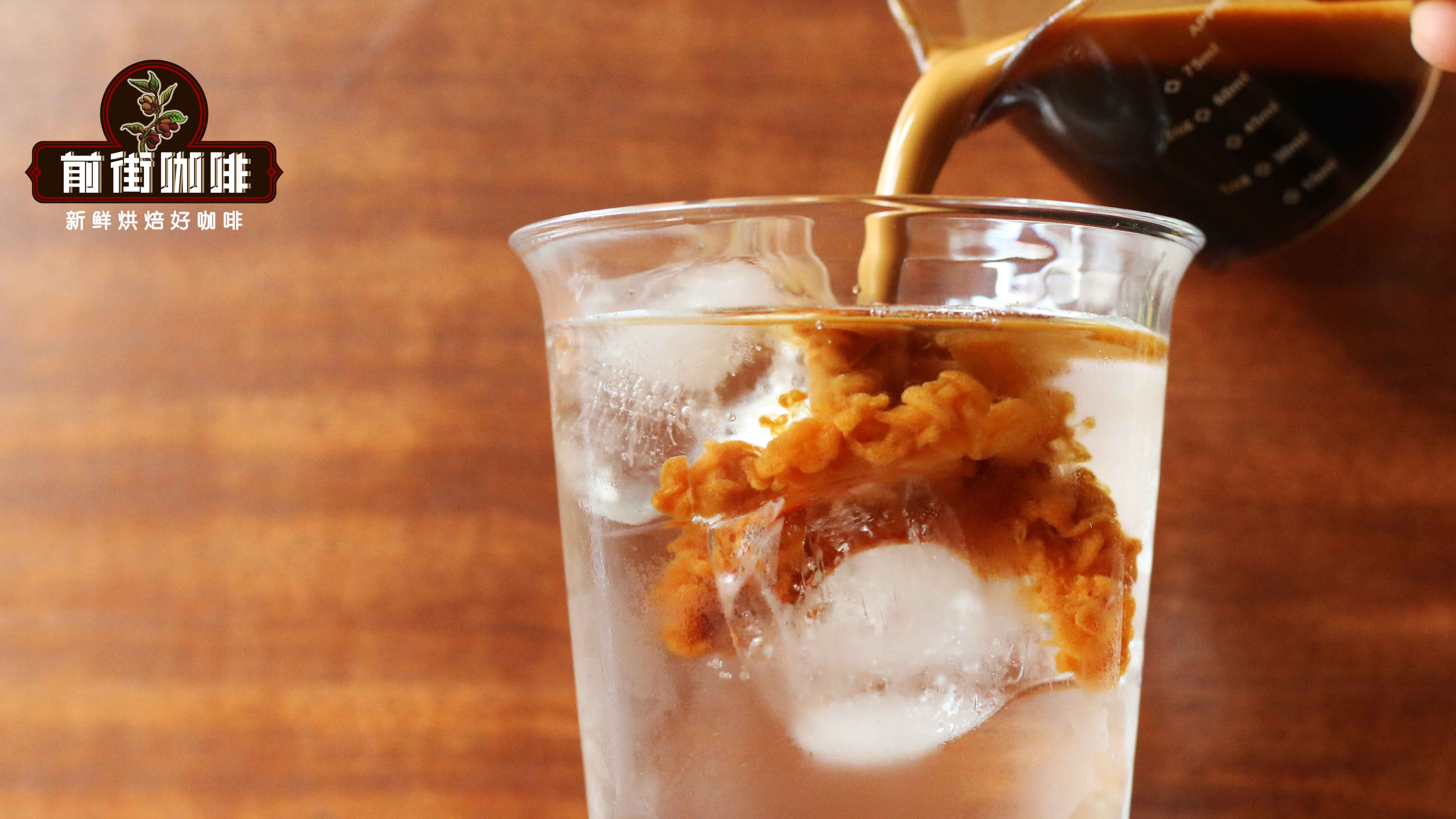
When discussing the popularity of Americano, we must mention its origin story. Legend has it that during World War II, American soldiers stationed in Italy found the intense flavor of local espresso too strong for their palate, so they diluted it with water to adjust the concentration. Italians disapproved and mockingly called this method “Americano,” meaning “the American’s coffee.” Although it wasn’t initially embraced by Italian coffee culture, this adaptation gradually gained global popularity through the promotion of brands like Starbucks, becoming a daily black coffee choice for many.
To make the Americano you brew or order taste smoother, the first priority is choosing the right coffee beans. Freshly roasted beans are key—generally speaking, the five-day window after the roast date is the golden period for peak flavor. In addition, using a blended coffee is also recommended by many professional baristas, as blending beans from different regions and processing methods can complement each other, delivering a more balanced flavor under pressure brewing and reducing any off-notes or defects that might come from a single origin.
Image location: Place the illustration showing blends and flavor differences here for best effect
If you prefer an Americano with warm, nutty and creamy aromas, you can opt for a blend that combines Brazilian and Colombian beans. Such blends often carry notes of dark cocoa, roasted nuts, and caramel, offering a full-bodied taste with a pleasant lingering sweetness. If you’re on a budget but don’t want to sacrifice flavor complexity, a blend of Yunnan and Brazilian beans is also a good choice—it typically presents mild acidity, dark chocolate, and nutty tones, with great cost-performance and stable flavor.
For consumers who absolutely can’t tolerate bitterness, a blend that fuses beans from Costa Rica, Ethiopia, and Colombia is a great option. These recipes often feature prominent fruity and floral notes such as berries, rose, and raisins, coupled with smooth textures of cream and cocoa. Whether used for hot or iced Americano, it delivers a gentle and layered fruit-forward profile.
Once you have the right coffee beans, the next step is the brewing process. Traditional Americano is made by brewing espresso with an espresso machine and then diluting it with hot water. An espresso machine forces hot water through finely ground coffee under high pressure—around 9 bars—to quickly extract a concentrated shot of espresso. This high-pressure extraction fully releases the flavor compounds in the coffee, which is the source of Americano’s rich taste.
It’s worth noting that the performance of each espresso machine and grinder varies slightly, so there’s no one-size-fits-all standard for brewing parameters. For beginners, you can follow these moderately set recommendations: use 20 grams of coffee grounds, with a 1:2 coffee-to-water ratio and 9-bar pressure, to extract 40 grams of espresso. The overall brewing time should be kept between 25 to 30 seconds. Then, adjust the grind size, extraction time, or ratio gradually based on the actual flavor outcome (e.g., if it’s too bitter, too sour, or too thin).
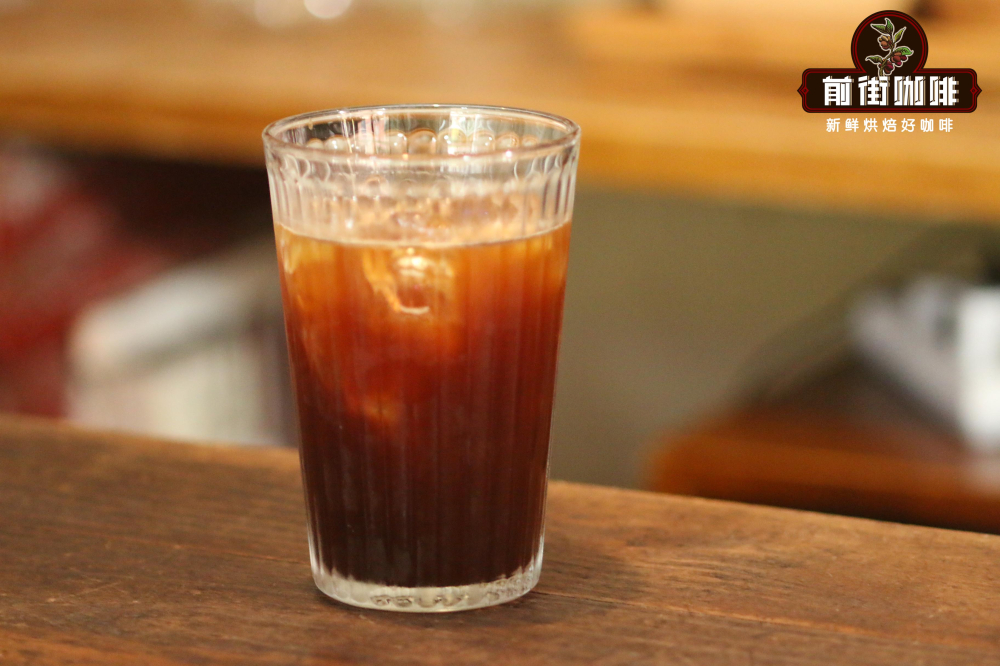
If you want to make iced Americano at home, prepare a cup of about 300 milliliters, add around 90 grams of ice and 150 milliliters of cold water, then slowly pour about 40 milliliters of espresso over the ice, stir gently, and enjoy. This method maintains the coffee’s freshness and appropriate strength, making it especially suitable for summer.
In summary, whether an Americano tastes bitter or not isn’t determined by a single factor, but rather by the overall process—from green beans, roasting, storage to brewing. Understanding these principles and practical tips means that whether you’re ordering at a café or brewing at home, you can face this classic black coffee with more confidence and adjust it to your perfect preferred flavor.
The above content is compiled by CoffeeHunters, a coffee news website.


