







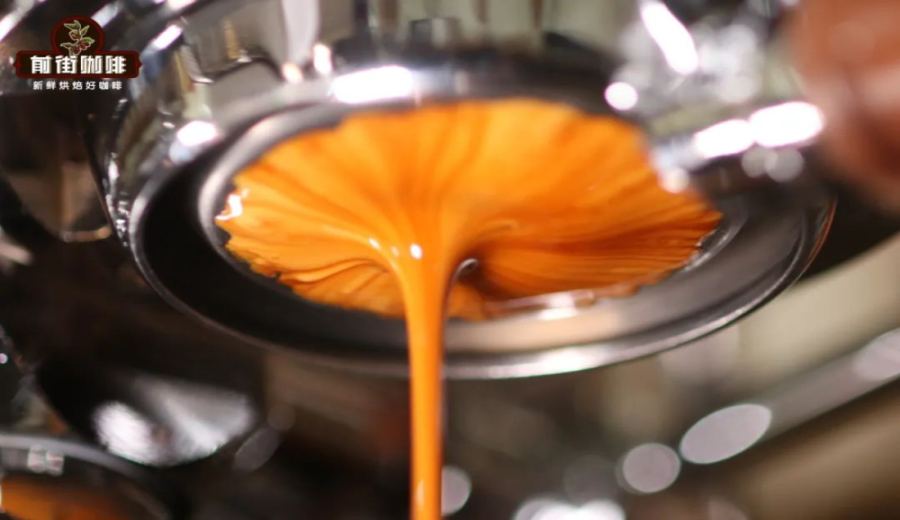
Introduction:During the extraction process of espresso, pressure is one of the most critical yet often overlooked parameters. This article delves into why the industry widely adopts 9 bar as the standard pressure, exploring everything from pump types, extraction principles, to the actual flavor profiles under different pressures. It provides a comprehensive understanding of how pressure affects the taste and quality of espresso, and also discusses the emerging trend of variable pressure extraction.
When crafting a high-quality shot of espresso, many factors influence the final extraction result, including coffee bean variety, grind size, coffee-to-water ratio, and extraction time. However, among these, there is one parameter that is often glossed over but plays a decisive role in the overall flavor and texture of the coffee — extraction pressure.
As is well known, one of the charms of espresso lies in its intense body and rich crema (coffee foam). These characteristics are inseparable from the pressurized extraction process. Unlike pour over or French press methods, which use atmospheric pressure, espresso machines push hot water through finely ground coffee under high pressure, extracting a wealth of flavor compounds and aromatic substances. Among the various pressure settings,9baris considered the standard value, but where does this number come from? And why has it become an industry consensus?
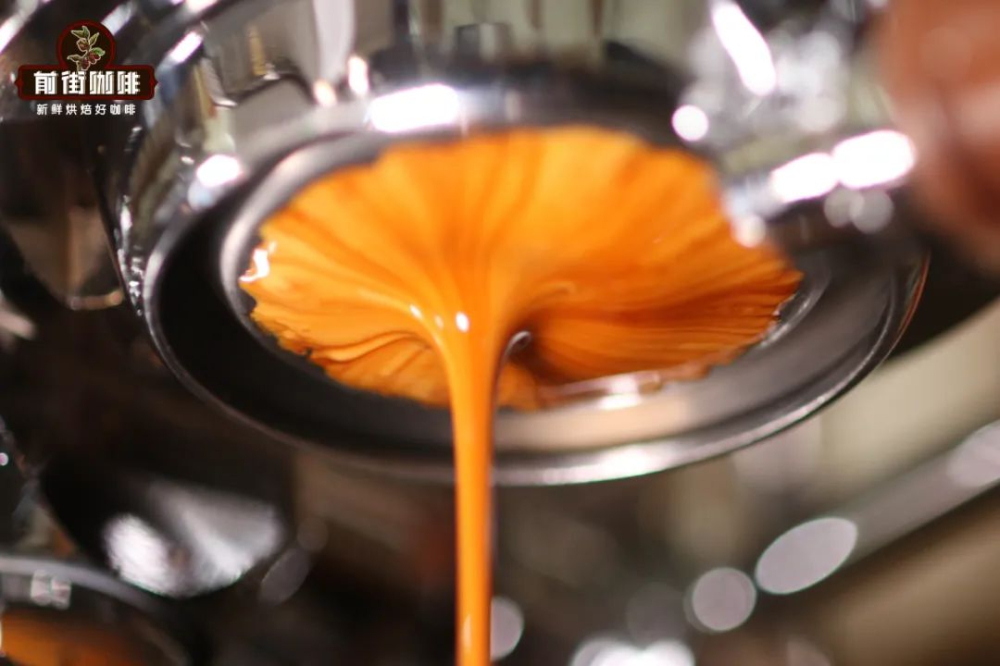
First, we need to clarify a common misconception: pump pressure and actual extraction pressure are not exactly the same. The pumps built into most home or commercial espresso machines provide a certain amount of pressure to drive the water flow, but this “pump pressure” is not the same as “extraction pressure.” When you turn on the machine without attaching a portafilter, the pressure gauge may display a reading, reflecting the output pressure of the pump itself. However, when you attach a portafilter filled with coffee grounds and start extraction, the reading on the pressure gauge represents the true extraction pressure.
Currently, espresso machines on the market can generally be divided into those using vibratory pumps (Vibratory Pump) and rotary pumps (Rotary Pump). Vibratory pumps generate pressure through the rapid back-and-forth movement of a piston. They have a simple structure and lower cost, and are commonly found in home models. However, the pressure output of these pumps is not very stable. Although their rated value may reach15bar, during actual extraction, the pressure might initially rise and then quickly drop, or even fall below9barat certain stages. Additionally, insufficient water supply may also prevent the extraction pressure from reaching the desired level.
In contrast, rotary pumps generate pressure by rapidly rotating metal blades, delivering a smoother and more consistent output. They are mostly used in professional-grade or high-end home espresso machines. These pumps offer more precise pressure control and can maintain a stable9barextraction pressure throughout the entire process, making them the preferred equipment type for many baristas.
So, why has9barbecome the standard pressure for espresso extraction? To answer this question, we need to go back to Italy in the 1960s and 1970s. At that time, with technological advancements, espresso machines evolved from early low-pressure designs (around 3–4 bar) to higher-pressure ones. Initially, people believed that the higher the pressure, the better the extraction. But practical tests revealed that when the pressure exceeded9–10 bar, coffee tended to release too many impurities and undesirable flavors, such as a burnt-wood-like bitterness. Through continuous experimentation and adjustments, it was eventually found that9barprovided the best balance between flavor intensity and taste balance, thus becoming the industry standard and remaining in use to this day.

To more intuitively understand the impact of different pressures on coffee flavor, we can observe the actual extraction performance at6bar,9bar, and11bar. Taking a stable rotary pump espresso machine as an example — under fixed conditions of using 20 grams of coffee grounds, aiming to extract 40 grams of espresso, and an extraction time of about 29 seconds — adjusting the pressure setting leads to noticeable differences.
When the pressure is set to6bar, it takes approximately 7 seconds to reach that pressure from startup (compared to 5–6 seconds at 9 bar), and the overall flow rate is noticeably slower. The total extraction time ends up being around 36 seconds. Observing the crema, although its thickness is comparable to that at 9 bar, the texture is coarser and it dissipates faster. In terms of flavor, coffee extracted at 6 bar has a duller aroma, less pronounced acidity, and an overall flatter, heavier mouthfeel lacking in complexity.
On the other hand, when the pressure is increased to11bar, the system reaches the target pressure in almost 5 seconds. The initial flow rate is similar to that at 9 bar, but the latter part of the extraction sees a significantly faster flow rate, reducing the overall extraction time to 27 seconds. The appearance of the crema shows no significant difference compared to 9 bar, but upon tasting, a stronger flavor impact can be clearly perceived. The taste is bolder and more concentrated, which may be more appealing to those who prefer intense flavors.

Combining the above experiments, we can conclude:The lower the pressure, the longer the extraction time, the weaker the crema texture, and the overall flavor tends to be flat. On the other hand, the higher the pressure, the faster the extraction, the more intense and stimulating the flavor, but at the potential cost of losing detail and balance.Therefore,9baris regarded as the optimal balance point among flavor, mouthfeel, and extraction efficiency.
It’s worth mentioning that with the continuous advancement of coffee equipment technology, more and more espresso machines now support “pressure profiling” functionality — that is, actively adjusting the pressure curve during extraction to more precisely control flavor release. This technology allows baristas to flexibly adjust pressure variations based on bean characteristics, roast levels, or personal taste preferences, rather than being limited to a single9barsetting. For instance, some methods involve using lower pressure at the beginning of extraction to preserve delicate acidic notes, then gradually increasing to9baror higher to enhance body and sweetness.
In summary, the9barstandard for espresso is not arbitrary, but the result of long-term practice and market validation. Understanding the principles and effects behind pressure not only helps you better master extraction techniques, but also gives you clearer insights and judgment when tasting or adjusting coffee flavors. Whether you’re a beginner coffee enthusiast or a barista chasing ultimate flavor, pressure is a key parameter you can’t afford to overlook.

The above content is compiled by CoffeeHunters, a coffee news website.


