







Introduction:In recent years, convenience store mixology has become a new social favorite among young people, allowing them to create various creative alcoholic beverages through simple DIY. 7-11 has piloted a self-service mixology zone at a branch in Beijing, offering multiple popular base liquors and viral recipes, enabling consumers to experience liquor-mixed coffee at more affordable prices. This article delves into the origins of convenience store mixology, how it works, and explores the feasibility and market trends of pairing alcohol with coffee.
Over the past two years, convenience store mixology has quietly gained popularity. Young netizens have used readily available soft drinks, coffee, and mini bottles of alcohol to unleash endless creativity, crafting a variety of stunning DIY alcoholic drinks. This trend not only showcases the limitless possibilities of beverage mixing but also reflects the enthusiasm of the new generation of consumers for beverage creation.
Recently, the well-known convenience store chain 7-11 launched a pilot service for a self-service mixology zone at a branch in Beijing, offering four popular base liquors including Jameson Irish whiskey, Kahlúa coffee liqueur, Havana rum, and Malibu coconut rum-based liquor — all commonly chosen by netizens for DIY drinks. The site also thoughtfully displays a number of viral recipes for liquor-mixed coffee and cocktails, allowing consumers to easily replicate these popular drinks.
In the past, if consumers wanted to try convenience store mixology, they usually had to purchase coffee or soft drinks (priced around 3–20 RMB) and mini bottles of alcohol (each 50ml bottle priced around 20–40 RMB) separately, making the cost relatively high. However, with 7-11’s new self-service mixology zone, the DIY threshold is significantly lowered — consumers can now replicate many popular drinks at an average price of just over ten RMB. Additionally, by paying an extra 3 RMB on top of a 7-11 Americano or latte base, customers can add one pump (about 30ml) of flavored base liquor, with four types of base liquors to choose from.
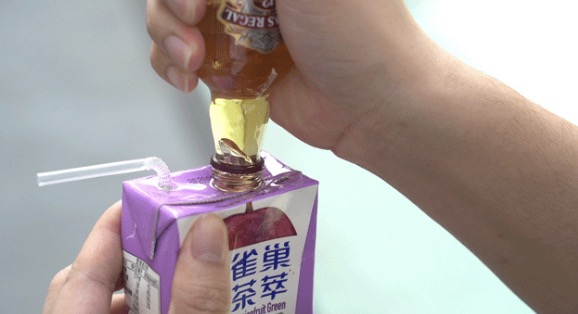
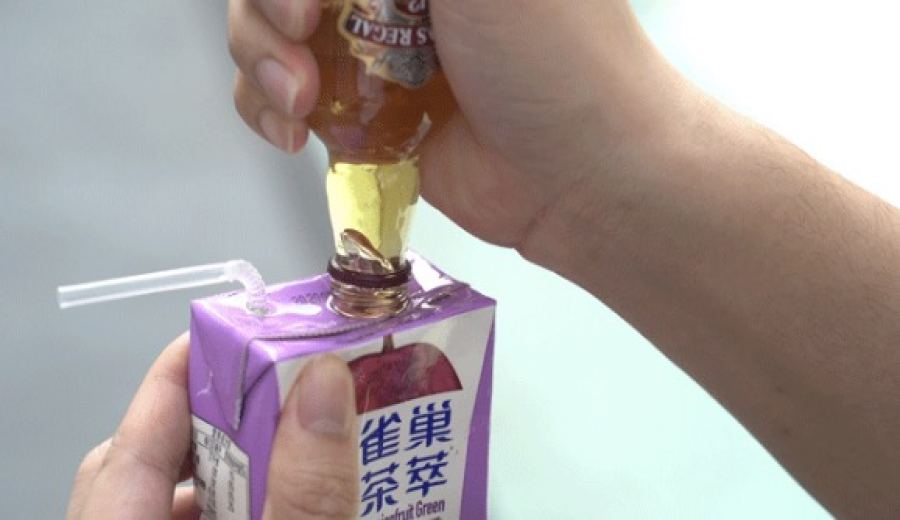
Even for those not drinking coffee, customers can opt to buy a chilled cup and pay an additional 7 RMB for one pump of base liquor, then mix it with their preferred soft drink. If one pump isn’t enough, they can pay another 7 RMB for more. The mixology process is also carefully designed: customers simply push the cup upward to dispense a measured amount of base liquor via a stand. Compared to the past “brute-force” method where netizens creatively stuffed the alcohol bottle into the straw hole, this design is more elegant and convenient.
As soon as the news broke, it sparked heated discussions among netizens across the country. Many consumers in various regions expressed envy and called on 7-11 to roll out similar services at other branches soon. However, some netizens believe that part of the charm of convenience store mixology lies in the fun process of “violently” inserting the alcohol bottle, and although the self-service zone is more affordable, the operation is relatively mild, lacking a bit of the creativity and challenge that made it fun.
The phenomenon of convenience store mixology may seem like a prank by young people, but it actually reflects a profound redefinition of drinking occasions by contemporary consumers. Nowadays, the consumption of coffee and alcohol is no longer confined to specific settings. This cross-boundary integration will become an important development trend in the future beverage industry.
Currently, the primary consumer groups for both the coffee and alcohol markets are post-90s individuals who value convenience, high cost-performance, and hands-on experiences. Compared to the past when drinking and coffee consumption were mainly for social or work purposes, modern consumers are more focused on the quality of the beverages themselves and personal enjoyment. Drinking is no longer about getting heavily intoxicated but seeking a mildly tipsy, relaxing, and therapeutic experience. Likewise, coffee is no longer just for social display but has become integrated into daily life — whether for a caffeine boost, pairing with breakfast, or aiding digestion after meals. Compared to the high prices and formalities of traditional cafes and bars, the liquor-mixed options offered by convenience stores better align with the consumption habits and budget considerations of younger demographics. For many consumers, the DIY process is far more important than whether the drink itself is perfect. This sense of participation and creative joy is the core appeal behind the popularity of convenience store mixology.
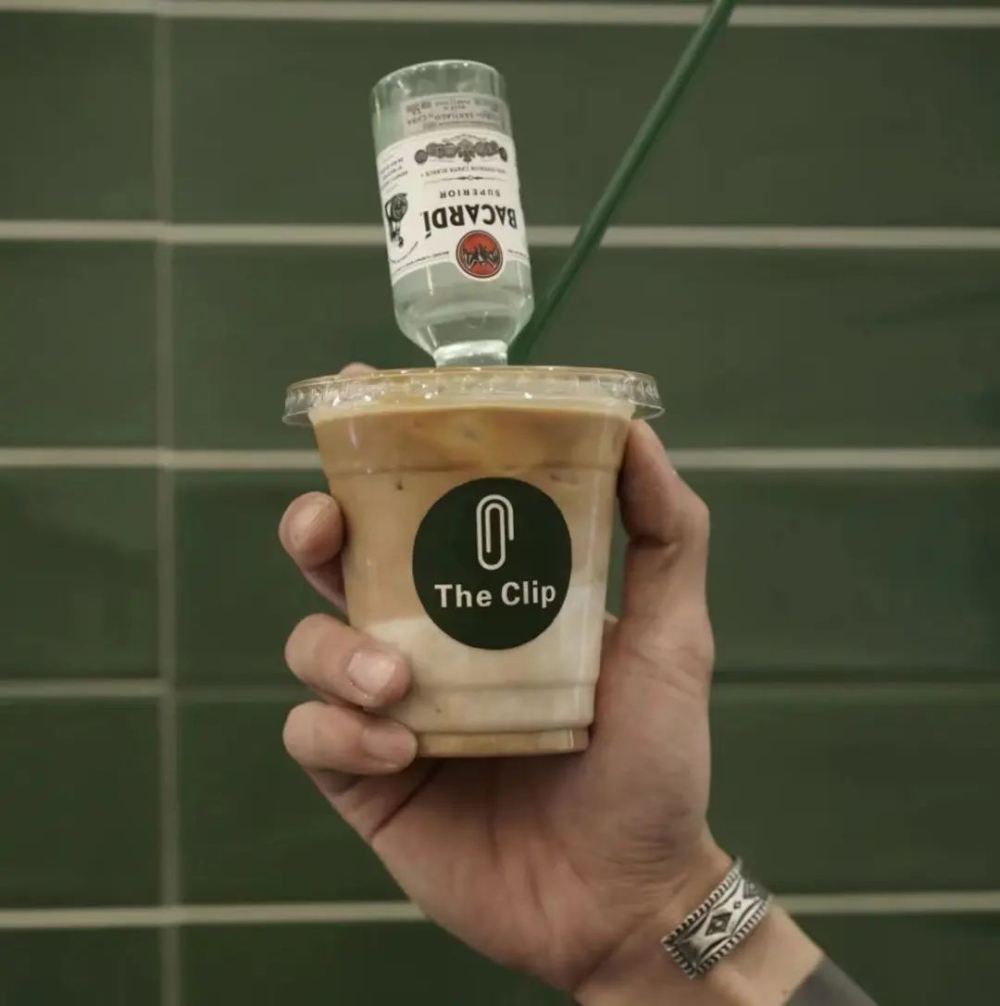
In summary, 7-11’s pilot self-service mixology zone is not only a response to the trend of viral drinks but also signals an innovative direction for convenience store beverage services. In the future, as consumer demand for personalized and convenient drinks continues to grow, liquor-mixed coffee and other creative mixed drinks are expected to become new favorites in the market. However, no matter how beverages innovate, minors should avoid alcohol, driving after drinking is strictly prohibited, and alcohol intake should be moderate to safeguard health.
The above content is compiled by CoffeeHunters, a coffee news website.


