







Introduction:When tasting coffee, in addition to flavor and mouthfeel, aftertaste is a key indicator for evaluating the quality of a cup. This article delves into the formation principles, perception methods, and how to assess the merits of aftertaste based on its duration and flavor texture. Through classic bean examples such as Golden Mandheling and Washed Yirgacheffe, it guides you to master professional aftertaste evaluation techniques, enriching every sip with a more complete experience.
Many people focus on flavor and mouthfeel when tasting coffee, often overlooking the deeper sensory dimension of “aftertaste.” So what is aftertaste? It refers to the combined experience of aroma, taste, and tactile sensations that linger in the mouth after swallowing the coffee. Some may sense it but not know how to describe it, while others may not even be aware of its presence. This article starts with the definition, helping you understand how aftertaste forms, how to perceive and evaluate it correctly, and uses actual bean varieties as examples to illustrate the differences in aftertaste performance across various flavor profiles.
First, let’s clarify: what exactly is coffee aftertaste? Simply put, it is the overall experience of aroma, taste, and mouthfeel that continues to exist in the mouth after you swallow the coffee liquid. If we use a timeline to distinguish, the various sensory signals you perceive while the coffee is still in your mouth belong to the realm of flavor and mouthfeel; whereas the sensations that emerge only after you swallow fall under the category of aftertaste. Grasping this shift in timing can help you more accurately discern different stages of sensory feedback during everyday drinking.
So, how exactly is aftertaste produced? From a scientific perspective, while coffee is still in the mouth, the overall flavor we perceive is constructed by large molecular substances, less water-soluble components, and small molecules that are easily dissolved in water. However, once you swallow the coffee, those small molecules that are highly water-soluble and easily washed away by liquids quickly leave the mouth. What remains are substances that are less water-soluble or not easily dissolved, which adhere to the surface of the tongue, the palate, and the oral mucosa, thereby forming a combination of aromas and tactile sensations that differ from those experienced earlier—this is the source of aftertaste.
It’s worth mentioning that retronasal olfaction plays a crucial role in the perception of aftertaste. Although aftertaste is the overall sensation in the mouth after swallowing, its core is still the residual aroma. To capture these subtle aromatic signals, you can try the following method: after swallowing the coffee, gently close your lips and slowly exhale through your nose. This allows the residual aroma in the mouth to travel through the nasopharyngeal passage to the nasal cavity, further enhancing your recognition of the aftertaste. Therefore, the subtle actions during drinking can directly influence whether you can fully appreciate the layered aftertaste of a cup of coffee.
Next, we’ll explore how to judge whether a coffee’s aftertaste is good or bad. Usually, we evaluate from two main aspects: the duration of the aftertaste, and the flavor properties it presents, including both positive and negative manifestations. In terms of duration, differences between coffees can be quite significant. For example, the aftertaste of some high-quality espressos can deliver a distinct caramel aroma and last for over ten minutes; in contrast, some coffees may have an aftertaste that dissipates just seconds after swallowing.
In professional coffee cupping procedures, aftertaste is also one of the independently scored items, and its duration directly affects the scoring outcome. Even if a coffee performs excellently in aspects such as flavor, acidity, and body, if its aftertaste is too brief, the overall evaluation may still be impacted. Therefore, the persistence of aftertaste is by no means a minor detail, but a vital indicator for assessing the overall quality of coffee.
On the other hand, the flavor properties of aftertaste can also be divided into positive and negative aspects. Common negative aftertastes include a dry or rough mouthfeel, a noticeable throat grip, or lingering burnt bitterness and sourness, sometimes accompanied by fermented notes reminiscent of fermented tofu or overripe fruit. These are signs of poor evaluation. In contrast, positive aftertastes can offer a pleasant sensory continuation, the most commonly mentioned being “sweet aftertaste” — that is, the gradual emergence of sweetness and smoothness in the mouth after the bitterness of the coffee fades.
In terms of aroma, coffees with different roast profiles also exhibit distinctly different aftertaste characteristics. For instance, coffees with a bitter-dominant profile, such as the classic Indonesian Golden Mandheling, often have a pronounced sweet aftertaste, accompanied by the mellow aromas of caramel and spices, delivering a steady and layered finish.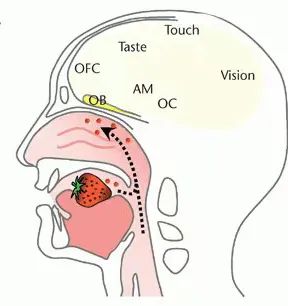 Meanwhile, coffees with an acidity-dominant profile, like the well-known Washed Yirgacheffe, tend to present an aftertaste that resembles the freshness of green tea, or subtle sweet notes of citrus peel and honey, resulting in a brighter and livelier overall impression. By observing the aftertaste characteristics of these specific beans, you can better grasp how coffees with different flavor directions continue in the mouth, thereby further enhancing your tasting professionalism and enjoyment depth.
The above content is compiled by CoffeeHunters, a coffee news website.


