







Introduction:Recently, SeeSaw Coffee, which had received nearly 100 million yuan in investment, has seen multiple store closures. Once known for its subscription model and innovative drip bag products, the brand expanded rapidly but is now facing operational difficulties in its physical stores. This article outlines its development trajectory, analyzes the reasons behind its shift from online success to offline contraction, and explores how premium instant coffee brands can balance growth and risk in the highly competitive coffee market.
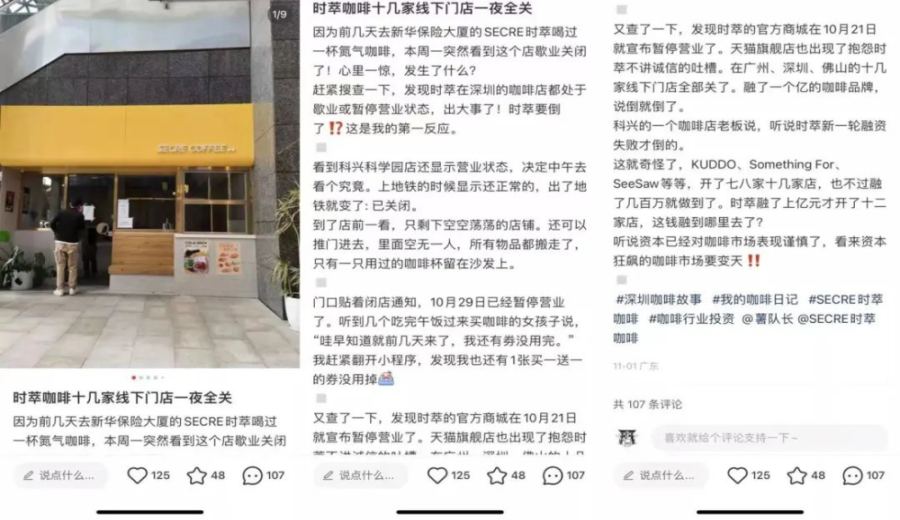
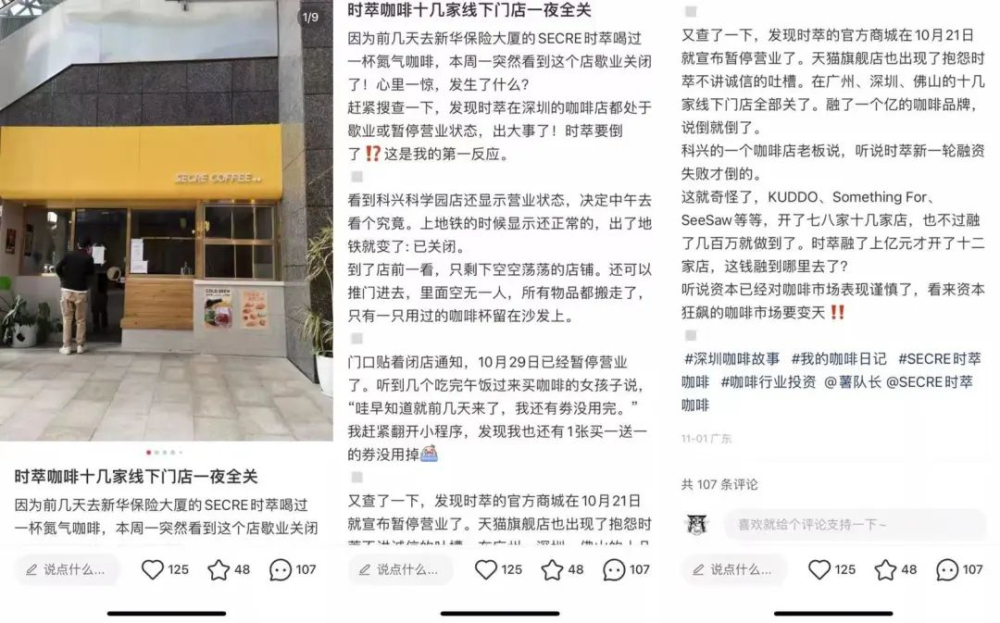
The premium instant coffee brand SeeSaw Coffee has recently been found to have multiple store closures across various locations in Guangdong, including major cities such as Shenzhen, Guangzhou, and Foshan. Multiple users on social platforms like Xiaohongshu have reported that more than ten physical stores have closed one after another within a short period, with some outlets even having their inventory cleared, leaving only the Lingnan New World branch in Foshan still operating. This wave of closures has drawn public attention to whether the brand’s once-boasted expansion strategy has reversed.
Founded in 2019, SeeSaw Coffee was established by Fan Ruoyu, who comes from internet companies such as Uber and Didi, and its team also largely consists of individuals with a technology industry background. In its early stages, the brand primarily used the WeChat Mini Program as its main sales platform, focusing on subscription-based premium drip bag coffee, where users could receive products regularly through automatic monthly deductions. This model quickly attracted a group of consumers who valued convenience and quality, and also helped the brand gain a certain level of market recognition in a short time.
At the end of 2019, SeeSaw entered the Tmall e-commerce platform and further launched a creative product — “doughnut-shaped drip bag coffee.” This product changed the traditional appearance design of drip bags by adopting a hemispherical filter hanging structure, resembling a doughnut in shape, successfully attracting the attention of younger demographics. In addition to the drip bag series, the brand has successively expanded into product lines such as freeze-dried instant coffee and refined coffee liquid to meet different consumer needs.
Starting in 2020, SeeSaw Coffee began laying out physical stores, with its first outlet opening in Shenzhen. In early 2021, the brand even planned to add five new stores within two months and expected the total number of stores to exceed fifty by the end of the year. According to public data, SeeSaw ranked first in the Tmall domestic drip bag coffee sales chart in March 2021, demonstrating its strong performance in the e-commerce field.
To support rapid expansion, SeeSaw Coffee completed five rounds of financing over the past three years, among which the nearly 100 million yuan Series B funding round completed in July 2021 was mainly used for offline store expansion, brand promotion, and product R&D. It is reported that at the time, several investment institutions valued its single-store valuation at over 100 million yuan, showing the market's high expectations for its development potential.
However, after securing substantial funding, SeeSaw Coffee accelerated its store layout in the Pearl River Delta cities such as Guangzhou, Shenzhen, and Foshan. At its peak, according to Mini Program data, there were about twelve stores in these three areas combined. But in less than two years, these stores have successively reported operational abnormalities, with some outlets having posted closure notices, their inventory cleared, phones unanswered or disconnected, and the company has yet to publicly explain the specific reasons.
Currently, SeeSaw Coffee’s Mini Program shows most stores as being in an “inactive” status, with only the Lingnan New World branch in Foshan still operating normally. Notably, the brand’s e-commerce platforms such as Tmall continue to operate normally, leading to market speculation that it may be adjusting its strategy and refocusing on the online market.
Industry analysts point out that the growth of new coffee brands often relies on intensive financing to support rapid expansion and marketing. However, once subsequent funding chains break, operational costs, staff expenses, and rental pressures can easily lead to business difficulties. Similar situations have also occurred with other brands, such as Fish Eye Coffee, which has completely exited the market, retaining only online sales; and Tims China, which went public on the Nasdaq this year, has also been reported to have expanding losses.
In comparison, international brands such as Nestlé and Starbucks, with their long-established consumer base and robust supply chain management, have shown stronger resilience to market fluctuations. For SeeSaw Coffee, how to maintain brand value and consumer connection while adjusting its store layout will be a key challenge for its future development.
The above content is compiled by CoffeeHunters, a coffee news website.


