







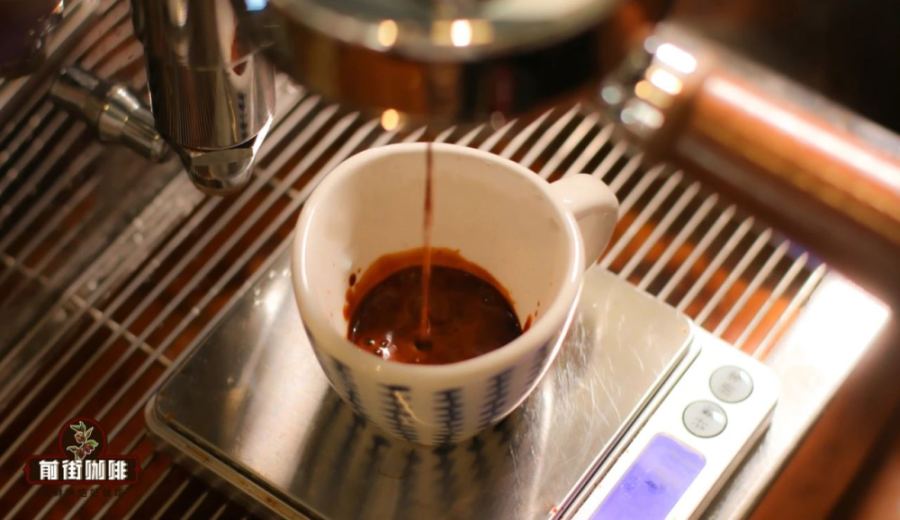
Introduction:Have you noticed that in the midst of busy café operations, even if you’ve carefully calibrated your espresso extraction parameters in the morning, as the number of servings increases, the flow rate gradually speeds up, resulting in extraction times shorter than standard? This common yet often overlooked issue is frequently related to pressure changes within the grinder’s bean hopper. This article will take you deeper into how hopper pressure interferes with grind uniformity, thereby affecting extraction rhythm and coffee flavor consistency, and provide practical adjustment strategies to help you stabilize output and enhance coffee quality.
In the daily operation of a café, many baristas have faced similar challenges: although they have calibrated all espresso extraction parameters according to standard procedures before opening, as customer traffic increases and the number of extractions rises, they find that the flow rate of espresso speeds up unintentionally, with the overall extraction time ending up a few seconds shorter than originally set. Such fluctuations in flow rate not only affect extraction efficiency but can also directly alter the final flavor presentation.
In fact, the root cause of this phenomenon is often closely related to pressure changes within the bean hopper of an espresso grinder. As the amount of coffee beans in the hopper gradually decreases, the pressure exerted by the beans on the grinding burrs also changes, which in turn affects the uniformity of the grind size. This seemingly minor change is enough to cause a shift in the espresso extraction rhythm, making extraction time and flavor performance unstable.
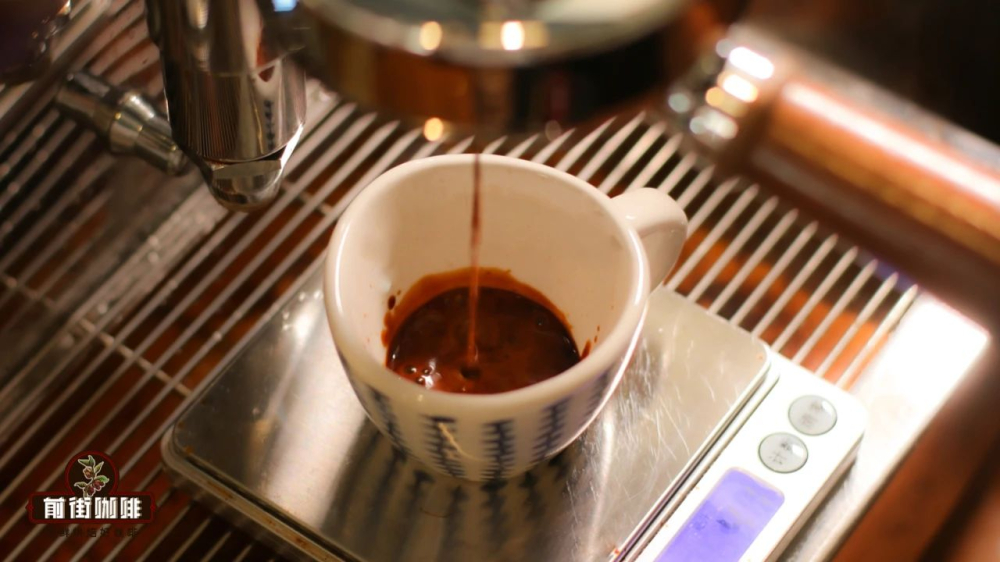
Generally speaking, the ideal extraction time for a standard shot of espresso usually falls between 25 to 30 seconds, and the overall extraction time fluctuation should be controlled within plus or minus one second as much as possible to ensure flavor consistency. However, when pressure in the bean hopper fluctuates due to decreasing bean volume, the resulting grind may become coarser or inconsistent in size, causing water to pass through more quickly, resulting in significantly shorter actual extraction times, which in turn affects the richness and overall mouthfeel of the espresso.
Practical observations show that this kind of situation is especially common in cafés with high customer traffic. In the early morning when the café opens, baristas usually fill the bean hopper to capacity and calibrate the extraction parameters based on the grind settings at that time. However, as service continues and beans deplete, the pressure the beans exert on the burrs decreases, possibly leading to uneven or even coarser grind sizes, which in turn accelerates the water flow through the coffee puck, shortens extraction time, and impacts the final flavor performance.
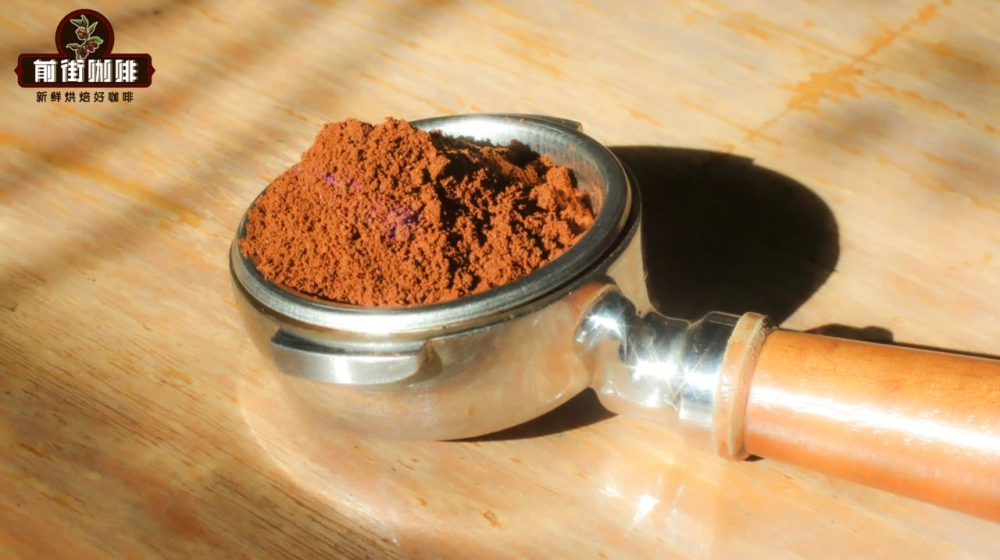
To solve this problem, the primary task is to understand how hopper pressure affects grind quality. When the hopper is fully loaded, coffee beans are naturally stacked, exerting relatively stable pressure on the grinding burrs below, helping to maintain consistent grind particle size. However, as the amount of beans decreases, the density of the stack lessens, and the pressure the beans exert on the burrs becomes unstable, resulting in uneven coffee powder that varies in fineness, thereby altering the flow rate and efficiency of coffee extraction.
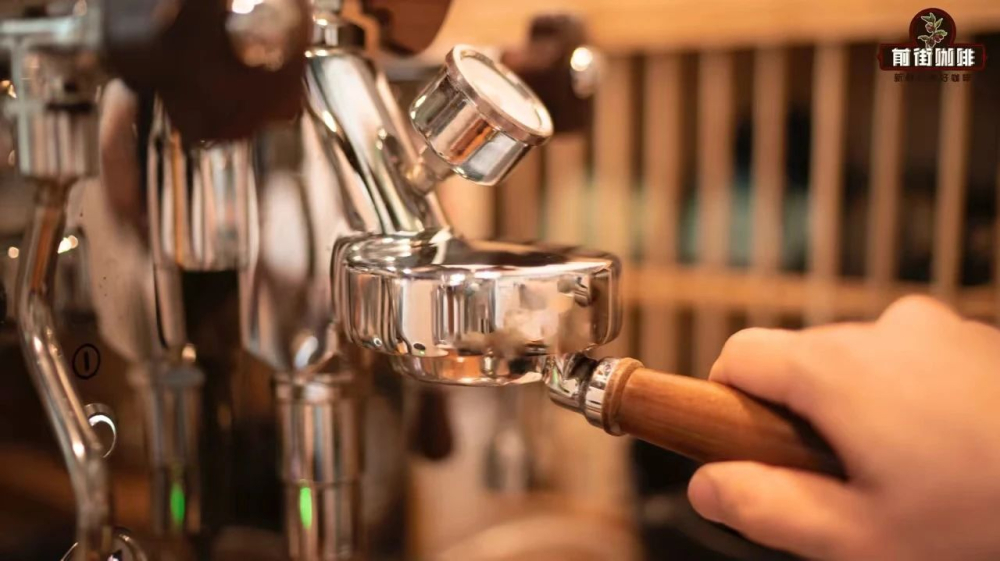
To stabilize extraction and output quality, baristas can adopt the following practical adjustment strategies: First, regularly check the coffee bean stock in the hopper, and when the amount drops to a certain level, appropriately adjust the grind setting to compensate for particle size inconsistency caused by hopper pressure changes. Second, it is recommended to increase the frequency of hopper refilling during peak operational hours to maintain bean stability and reduce the amplitude of pressure fluctuations. Additionally, consider using grinders with pressure compensation design—these models can, to some extent, counteract the impact of hopper pressure changes on grind uniformity.
Finally, regardless of the type of grinder used, regular calibration and observation of changes in extraction parameters are essential. It is recommended that baristas monitor extraction time and flow rate performance continuously throughout each operational phase, especially during peak serving times. Once extraction time falls below the standard range, the grind setting and hopper status should be immediately checked and adjusted as needed to ensure that every shot of espresso delivers a consistent and excellent flavor profile.
The above content is compiled by CoffeeHunters, a coffee news website.


