







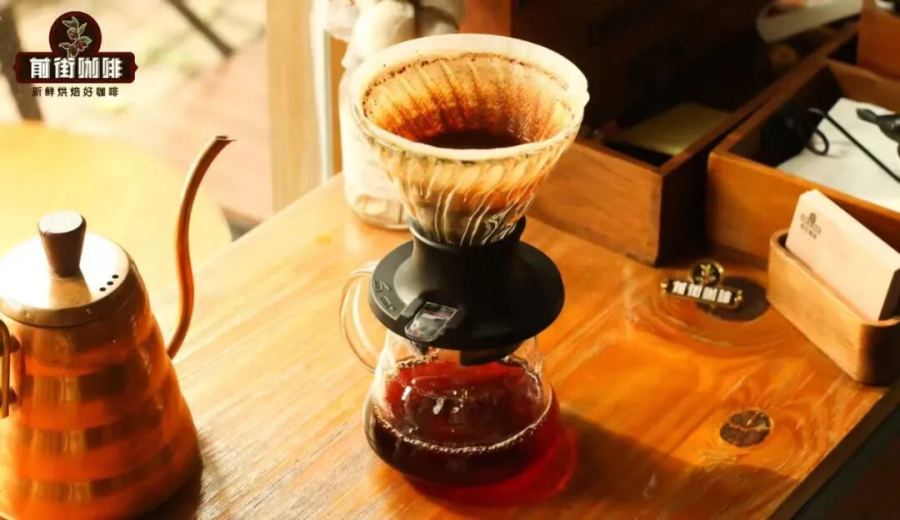
Introduction:This article provides an in-depth analysis of the modified hybrid brewing method refined by world brewing champion Tetsu Kasuya, combining the dual extraction principles of immersion and drip. Based on parameters tested by the championship team, it details step-by-step operation of the valve-controlled Clever Dripper—from water temperature control to segmented pouring rhythms—to help you master the key to stable extraction. Special beginner-friendly details are included, along with flavor layer analysis and common mistake alerts, to help you easily brew specialty coffee with balanced sweetness and rich body.
“Absolutely delicious!” Tetsu Kasuya confidently remarks at the start of his instructional video about the improved hybrid brewing method. The 2016 World Brewers Cup champion is not only the inventor of the “4:6 method” but also renowned in the industry for his “devil’s brewing method.” His unique techniques consistently uphold the core philosophy of “helping everyone brew delicious coffee,” allowing even beginners to consistently produce high-quality flavors through simplified procedures.

Recently, Kasuya’s team has made a critical upgrade to this technique—by adjusting just two subtle movements, they’ve significantly improved extraction uniformity and stability. The new version retains the original convenience while optimizing flavor complexity, making it especially suitable for home use where consistent quality is desired. Below, we’ll fully break down this professionally validated hybrid brewing solution.
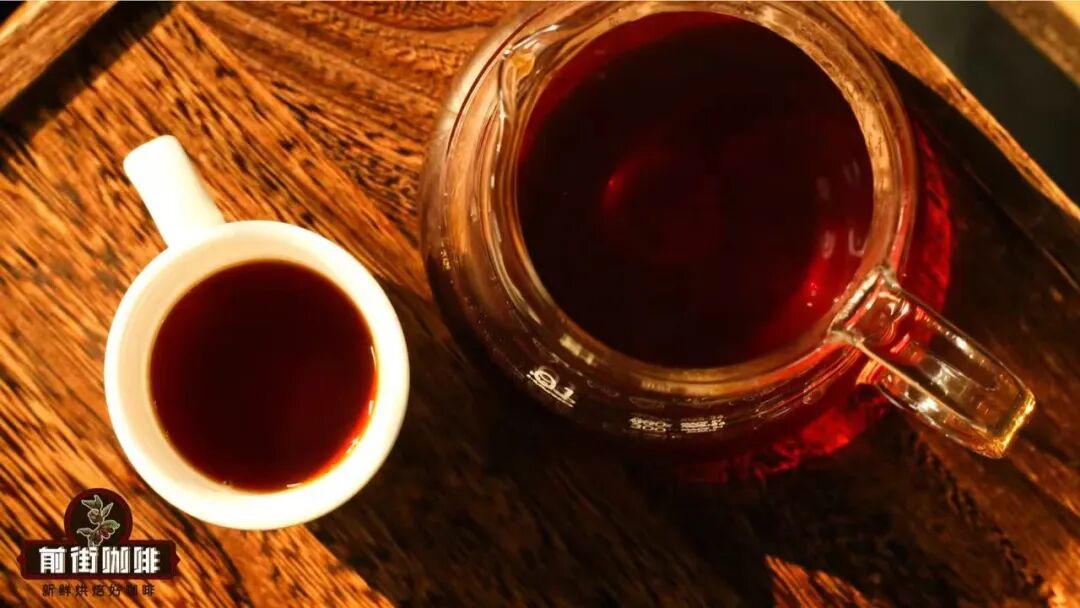
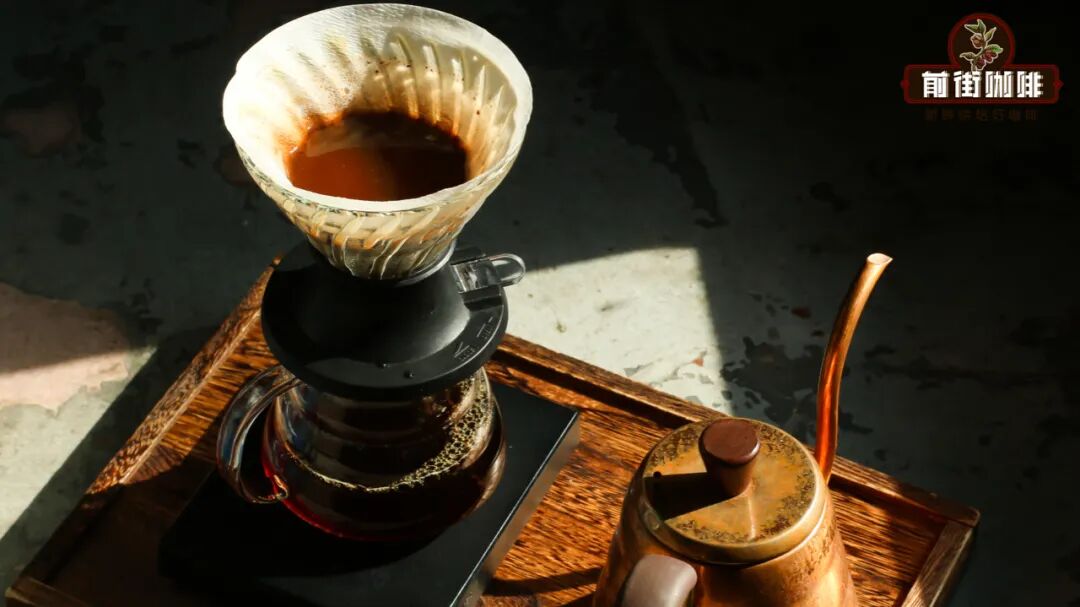
The so-called hybrid brewing method is essentially an innovative combination of immersion and drip extraction modes. The immersion phase allows coffee grounds to fully interact with hot water to release compounds, while the drip process achieves fine extraction through slow gravity filtration. This composite technique requires the use of a valve-equipped Clever Dripper to precisely control immersion duration and flow balance.

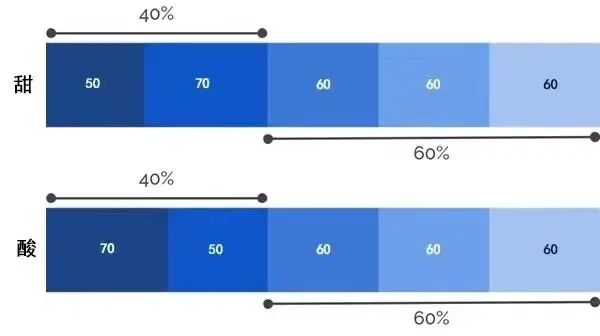
The improved version continues the foundational theory of the 4:6 ratio: 40% of the total water volume is used for initial processing (determining acid-sweet balance), while the remaining 60% dominates body construction. The difference lies in simplifying the traditional five-pour regimen to three pours and introducing a differentiated extraction approach—the first two pours maintain drip mode, while the latter switches to controlled immersion. The key operational point is to close the valve before pouring, allowing the coffee grounds to fully interact at the preset temperature.
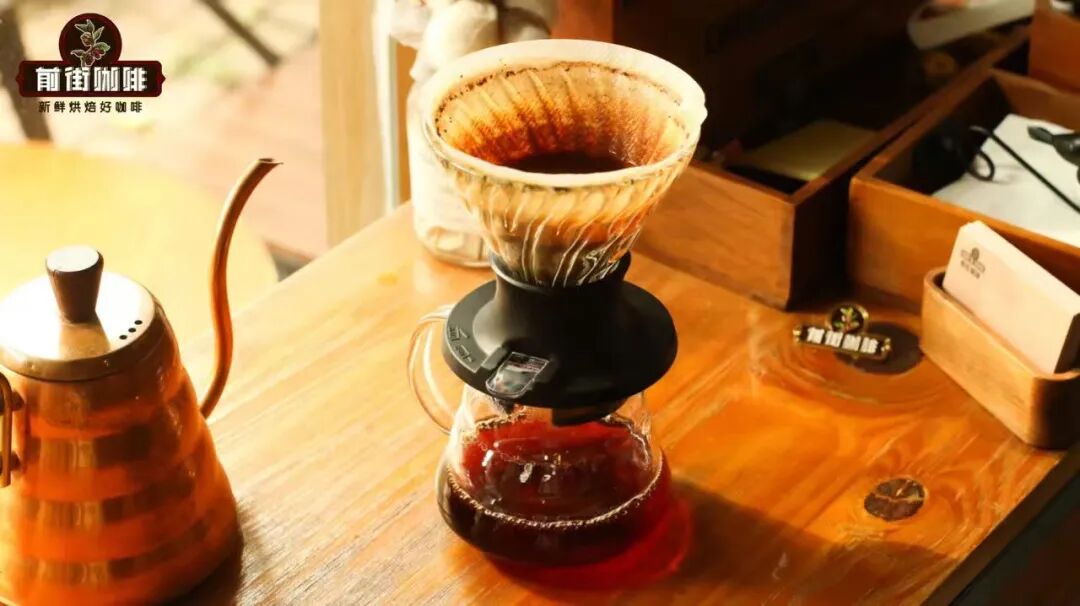
The latest adjustments by the championship team focus on two core improvements: first, changing the initial bloom to an immersion process to extend the coffee grounds’ degassing time; second, splitting the later 60% of water into drip and immersion phases, each using different water temperature strategies. Particularly in the second immersion phase, the water temperature is lowered to around 70°C, effectively suppressing the risk of over-extraction while enhancing the extraction of sweet-tasting compounds.
The live demonstration uses beans from the Emerald Estate’s Diamond Mountain variety, with the following parameters: V60 Clever Dripper setup, 20g coffee dose, 1:15 coffee-to-water ratio, superfine sugar grind level (Ek43 grinder at 10 setting / 75% passing rate through a #20 sieve). Temperature control follows a gradient scheme—maintaining 92°C for the first three pours, and using cooled water at 70–80°C for the final immersion phase.
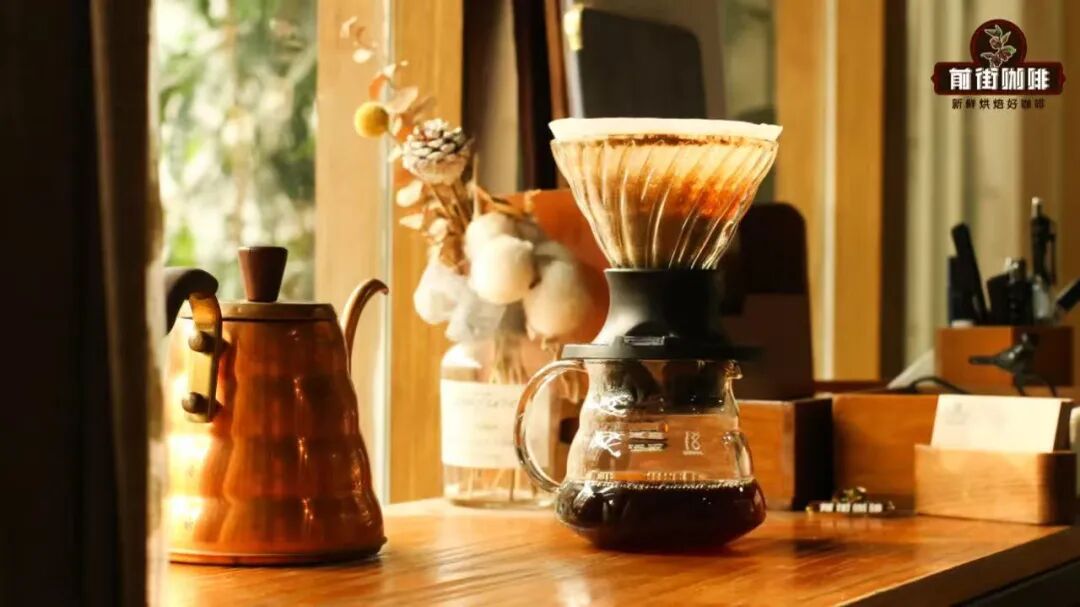
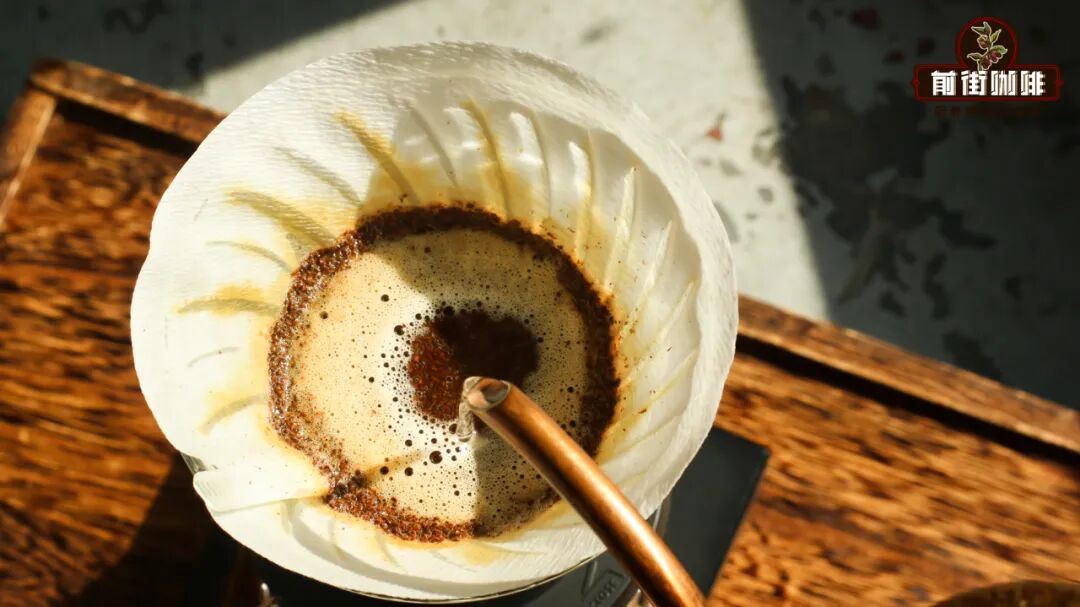
Specific steps: First, close the valve and pour double the coffee dose (approximately 40ml) for a 40-second deep bloom to promote full CO₂ release (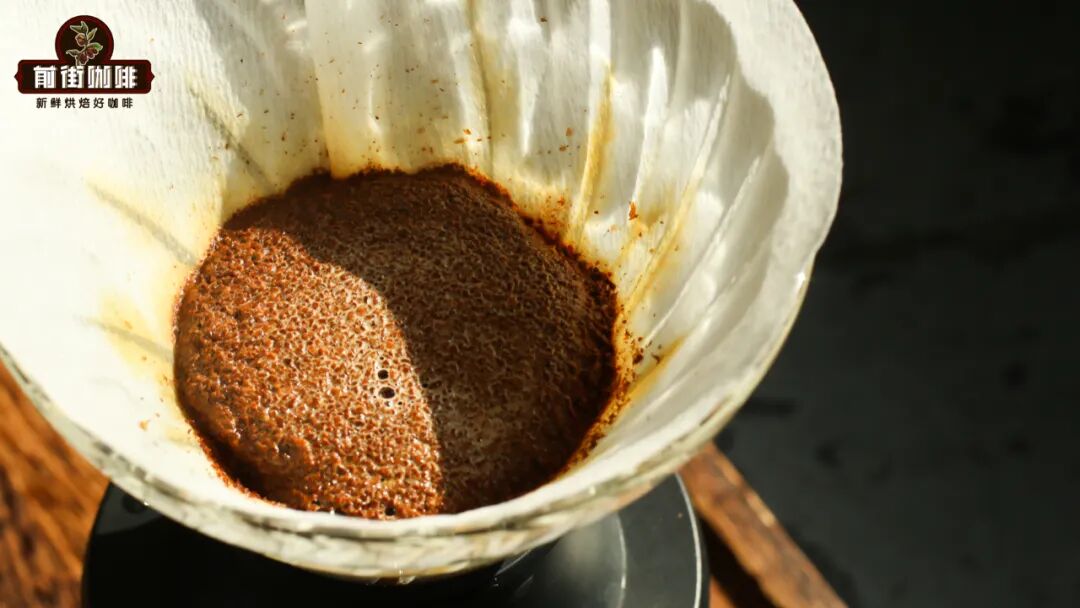 ). After opening the valve to complete the first drip, inject 80ml (total weight 120g) in a small, center-radiating stream over 20–30 seconds for the second pour (
 ). Then pour another 80ml (cumulative 200g) while keeping the valve open (
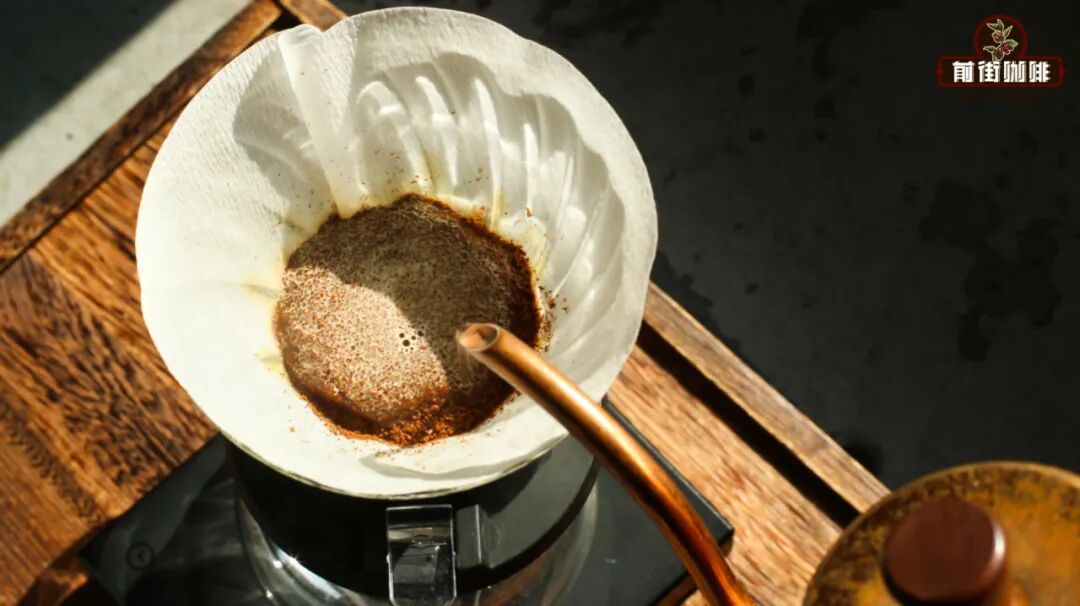 ). When dripping reaches approximately 2 minutes and 10 seconds, inject the subsequent 100ml of cooled water, close the valve, and perform a 35-second immersion (
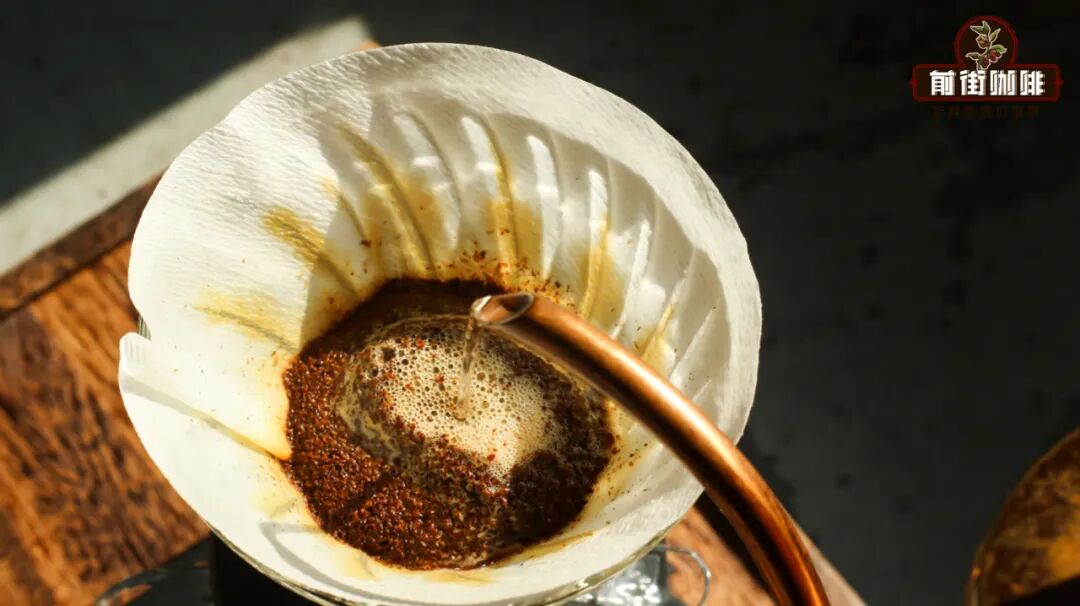 ). Finally, open the valve at 2 minutes and 45 seconds to complete the full extraction (
 ).
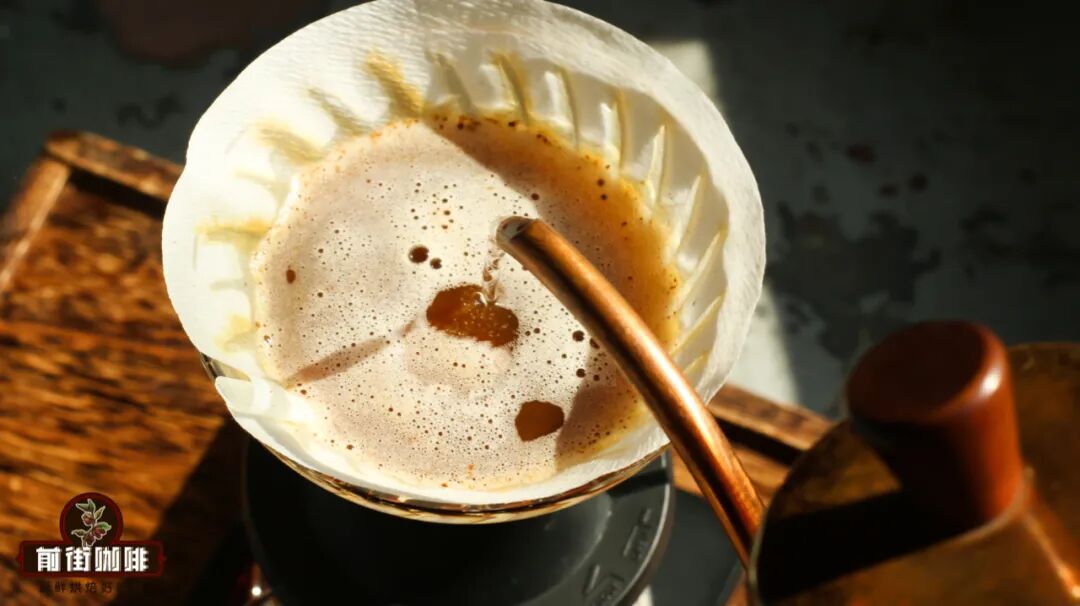
The entire process takes about 3 minutes and 20 seconds, slightly longer than conventional methods. But through low-temperature immersion and segmented control, it successfully avoids over-extraction risks, delivering bright citrus notes, rich berry flavors, and a lingering apricot finish. The mouthfeel is as smooth and velvety as honey, with a long-lasting oolong tea-like aftertaste and a significantly enhanced sweetness level. Notably, this technique allows flexible adjustments based on personal preference—equipment differences, bean characteristics, or taste inclinations can all be addressed by modifying parameters accordingly. It’s recommended to start with the basic recipe and refine it step by step.
The above content is compiled by CoffeeHunters, a coffee news website.


