








Introduction:Have you ever had this experience: the milk foam on your freshly made latte is fine and smooth, but soon becomes rough and uneven? This is actually a natural phenomenon of foam collapse. This article delves into the principles behind milk foam stability, breaking down the key factors that affect the longevity of foam—from steaming techniques and temperature control to ingredient selection—and provides practical tips for improvement to help you create more durable and delicate latte art.
A freshly poured latte has fine and smooth milk foam on the surface, giving it a high-quality appearance. However, if you let the drink sit for a while, you’ll soon notice that the once-smooth foam gradually becomes rough and uneven. This phenomenon is called “foam collapse,” which refers to the gradual breaking and disappearance of foam.

Milk foam is a structure of tiny air bubbles formed by incorporating air into milk, with a density lower than that of the liquid. During the steaming process, external forces such as agitation, shaking, and blending can cause some of the foam to fully integrate with the milk, slowing down its breakdown. But when the drink is left to sit, the lightweight foam gradually rises to the surface, while the heavier liquid sinks, leading to visible layering.

Once the foam layers, small bubbles slowly merge into larger ones due to pressure differences. When the internal pressure of a large bubble exceeds the strength of the surrounding protein film, the bubble bursts. Although all foam floating on the surface of coffee will eventually dissipate, the speed at which it does so varies. For example, lattes made in some specialty shops may only show noticeable foam collapse after ten minutes, while others may develop coarse, large bubbles shortly after pouring, significantly compromising texture.

This difference is mainly due to the stability of the foam. Foam with high stability dissipates more slowly; conversely, foam with low stability breaks down quickly. When evaluating the quality of a latte, foam stability is one of the key metrics that cannot be overlooked. So, what factors affect the stability of milk foam? Let’s explore them one by one.

1. Inadequate Milk Steaming Technique
The most common issue stems from suboptimal milk steaming, especially during the stretching and texturing stages. Simply put, the large bubbles in milk need to be stirred by the steam wand and further divided into smaller, more uniform, and stable microbubbles. If the texturing step is not properly executed, the overall texture and firmness of the foam will be significantly compromised, causing the latte to collapse quickly after sitting.
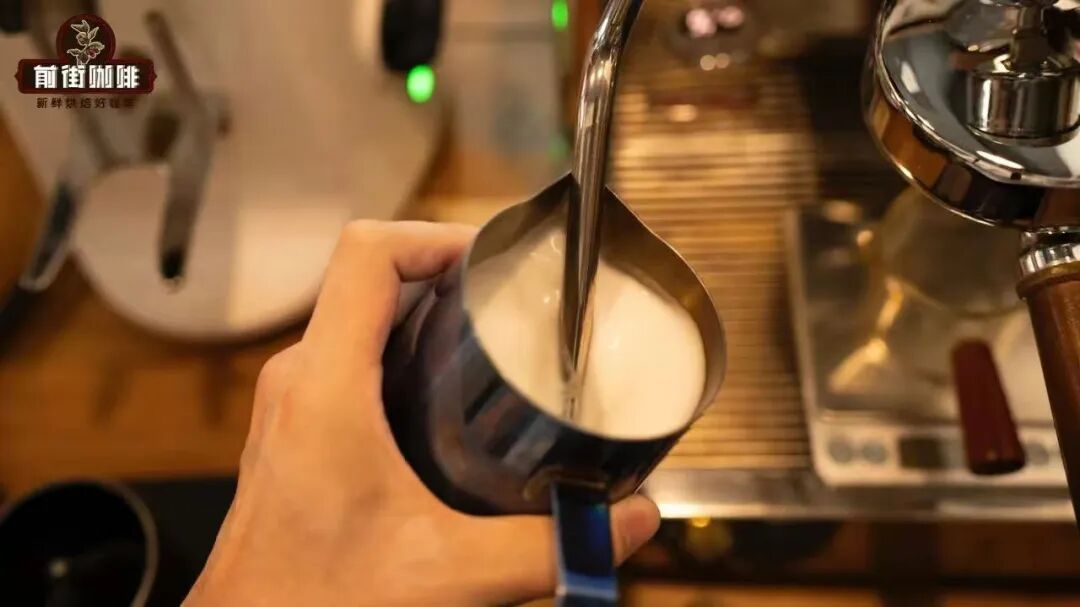
There are three common mistakes in texturing: First, insufficient texturing time, which may be due to the milk being too cold or not reaching the ideal steaming temperature, resulting in a shortened overall process and inadequate refinement of the bubbles. Second, failure to form an appropriate whirlpool—many beginners fail to effectively create rotation in the milk pitcher while operating the steam wand, preventing large bubbles from being drawn into the center for cutting and refinement, affecting the uniformity of the foam. Third, accidentally letting the steam wand breach the milk surface during operation, causing additional aeration and producing large bubbles that are difficult to integrate. If these are not sufficiently textured afterward, they directly impact foam stability.

Additionally, even some experienced baristas may inadvertently let the steam wand briefly breach the surface during texturing, causing similar issues. If you notice a lot of visible bubbles remaining in the pitcher after finishing latte art, it’s advisable to check whether there’s room for improvement in those three areas. Also, although tapping the pitcher can help eliminate some unincorporated large bubbles, excessive shaking can actually accelerate foam breakdown and layering. It’s recommended to control the number and intensity of taps to avoid negatively affecting the final foam quality.
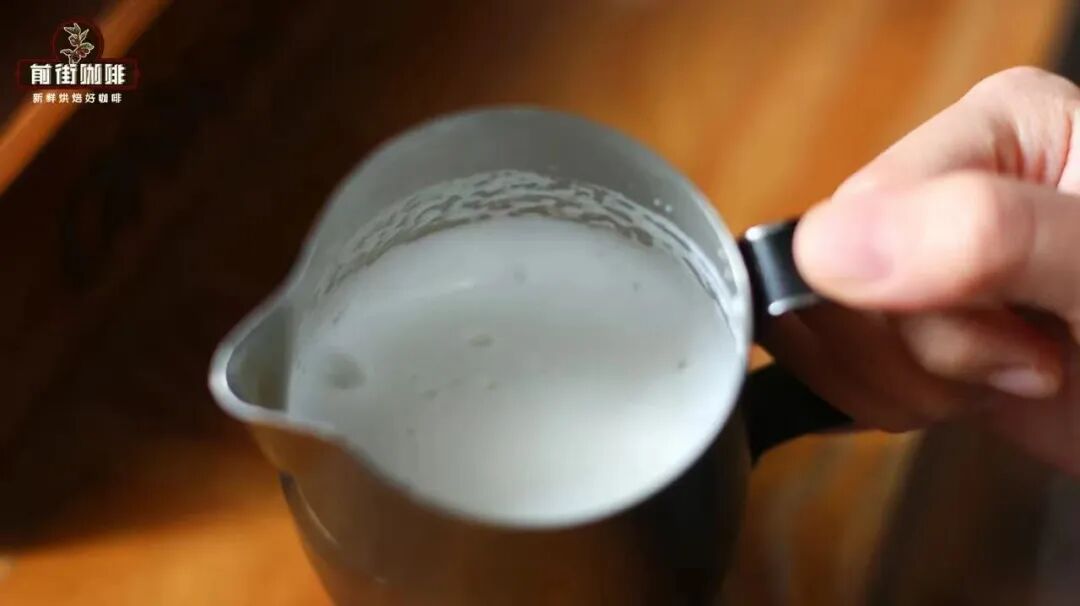
2. Improper Milk Temperature Control
Besides steaming technique, milk temperature is another key factor affecting foam stability. Many beginners focus on steaming time but overlook how temperature impacts foam structure. Generally, the ideal temperature for steaming milk should be controlled between 55°C and 65°C . This temperature range not only helps bring out the sweetness in the milk but also effectively enhances the stability of the foam.
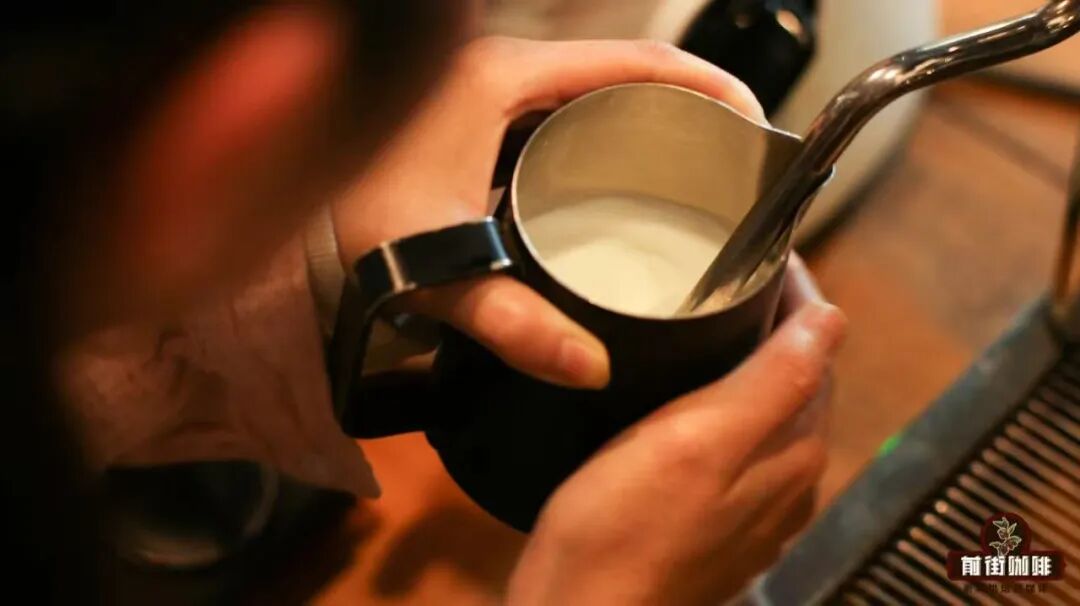
If the milk temperature is below this range, insufficient texturing time may result in inadequate refinement of the foam, accelerating its collapse. Conversely, if the temperature exceeds 70°C, some of the proteins and fat structures in the milk may be damaged by the high heat, further weakening foam stability—not only speeding up foam collapse but also potentially affecting the overall taste and sweetness of the coffee.

Therefore, if your goal is to make a latte suitable for latte art, it’s recommended to strictly control the milk temperature between 55°C and 65°C . For general drinking purposes, staying below 70°C is generally acceptable.
3. Ingredient Selection and Freshness
In addition to technique and temperature control, the choice of raw materials also significantly affects foam stability. For instance, using overly fresh coffee beans may accelerate foam dissipation. Freshly roasted coffee beans typically contain a lot of carbon dioxide, which, while helping extract rich crema, can introduce unstable oils that interfere with foam structure when combined with milk, reducing overall stability and making the surface more prone to coarseness.

The solution is relatively simple: let the coffee beans rest for about seven days to allow internal carbon dioxide to naturally dissipate, which helps extract more stable oils and reduces negative effects on the foam. These factors are among the main reasons why latte foam collapses quickly. Other elements, such as milk type, foam thickness, and blending uniformity, also have some impact but to a lesser degree, so they won’t be discussed in depth here.

The above content is compiled by CoffeeHunters, a coffee news website.


