








Introduction:Once pour over coffee cools down, its aroma and flavor often change dramatically, with acidity or bitterness becoming more pronounced and making it hard to enjoy. This article delves into the science behind coffee transitioning from hot to cold, analyzes the effects of reheating and adding ice on different roast levels, and provides practical comparisons to help you find the best way to handle cooled coffee and salvage its quality.
After brewing, coffee gradually cools as it sits, but its taste also undergoes significant and irreversible changes. Many people have had this experience: a pour over coffee that was initially aromatic and layered becomes noticeably sour and astringent after just a few minutes, with even off-flavors or bitterness emerging in the finish, greatly diminishing the overall drinking experience.

Why does coffee undergo such a dramatic flavor shift from hot to cold? There are two key factors: the chemical changes triggered by the drop in coffee temperature, and the differences in how human taste and smell perceive flavors at varying temperatures.
Freshly brewed hot coffee has the most active volatile aromatic compounds, including floral, fruity, and caramel notes—this is when we perceive coffee’s most captivating aromas. However, as the temperature drops, these volatile aromatic molecules gradually dissipate, and the coffee no longer smells as “fragrant.” At the same time, temperature changes also affect how our taste buds perceive sweetness, acidity, and bitterness, further altering the overall flavor balance.

In addition, if you observe a cup of cooled coffee closely, you may sometimes see white flaky particles floating on the surface. This is the result of coffee oils oxidizing after exposure to air. The reduction in oils makes the coffee feel less smooth on the palate. On the other hand, cooling coffee may also lead to slight cloudiness, caused by certain components condensing at lower temperatures, which further affects its drinkability.

From a human sensory perspective, when coffee cools below body temperature, the taste buds’ sensitivity to sweetness gradually decreases, while sensitivity to bitterness relatively increases. As a result, lighter roasts that highlight fruity acidity, for example, often taste more sharply acidic when cooled; conversely, darker roasts, which contain more bitter compounds, will have their bitterness more pronounced and their sweetness relatively muted as the temperature drops.

Since cooled coffee generally tastes worse, should we reheat it or add ice to turn it into iced coffee to improve it? The following is a comparison analysis based on actual tests to help you find the right way to “rescue” your coffee.
This experiment used two representative pour over coffee beans: one is the medium-light roasted Kaffa Forest, and the other is the medium-dark roasted Huilan, both using the washed processing method. Their flavor profiles are relatively clean, which helps in observing the differences in how temperature affects flavor.
The brewing parameters for Kaffa Forest are as follows: 16 grams of coffee grounds, a 1:15 coffee-to-water ratio, water temperature controlled at 92°C, grind size equivalent to fine sugar for pour over (EK43s at setting 10 / C40 at setting 24), using a V60 filter cone and a three-stage pouring method (30g → 105g → 105g). For Huilan, 16 grams of coffee grounds were used, with a 1:15 ratio, water temperature at 88°C, grind size equivalent to coarse sugar for pour over (EK43s at setting 10.5 / C40 at setting 26), using a KONO filter cone and the same three-stage pouring technique.
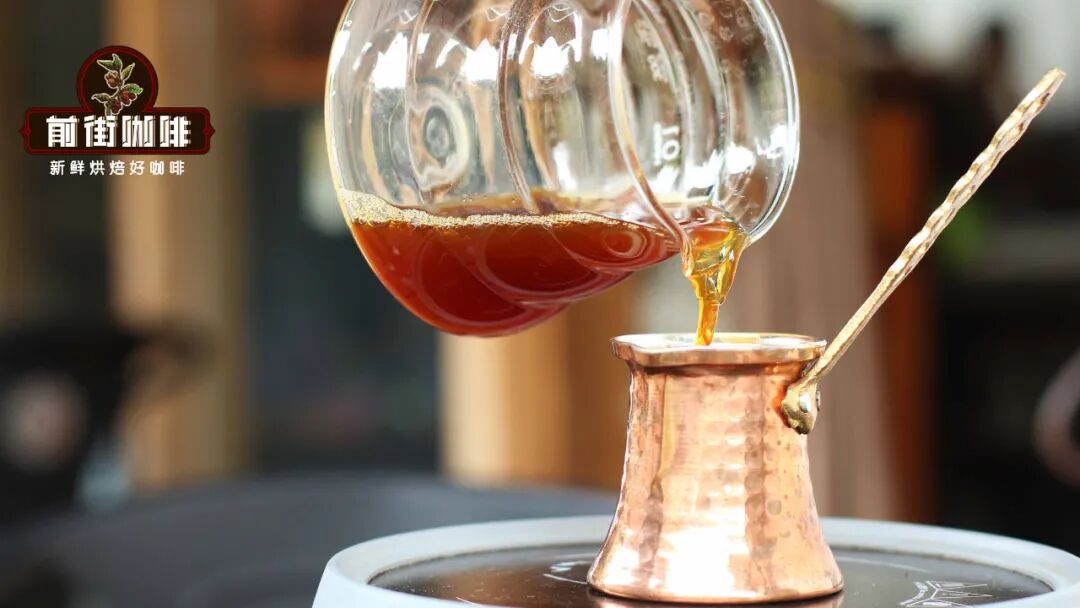


During the experiment, the coffee was first tasted and evaluated at hot beverage temperature (around 70°C), then allowed to cool naturally at room temperature. Subsequently, part of the coffee was reheated back to 55–58°C, and another part was cooled down to 6–8°C by adding ice (remember to remove the ice cubes before tasting). Finally, the flavors at each stage were compared.
The actual test results are as follows:
【Kaffa Forest】
• Freshly brewed (70°C): Exhibits prominent floral, cherry, pomelo, citrus, green tea, and creamy melon seed notes, with a distinct layering.
• Reheated (55–58°C): The flavors shift to grapefruit and green grapes, but the acidity becomes sharper, and a citrus peel-like astringency emerges.
• Ice-cooled (6–8°C): Citrus and melon seed aromas are more pronounced, with a notable tea-like quality; the acidity is refreshing and pleasant.
【Huilan】
• Freshly brewed (70°C): Shows roasted hazelnut, dark cocoa, and a mild smoky note, with a distinctly sweet finish.
• Reheated (55–58°C): Cocoa and nutty sweetness become more prominent, but almond-like bitterness intensifies, making the overall flavor rather dull.
• Ice-cooled (6–8°C): Dark chocolate aroma is more apparent, but the mouthfeel feels thinner, with a short finish that lacks bitterness.

Overall, the comparison shows that neither reheating nor icing can fully restore the rich flavor and complexity of coffee when it’s freshly brewed. However, for different roast levels, we can still adopt certain strategies to enhance the drinking experience of cooled coffee.
For light roasts with pronounced fruit acidity, such as Kaffa Forest, cooling tends to bring out excessive acidity and astringency. In this case, icing is recommended to help suppress over-acidity and bring out a refreshing taste. However, note that the flavor may become more muted when chilled, so it’s best to drink it soon after cooling.

As for medium-dark roasts with a stronger bitter profile, like Huilan, cooling may make the bitterness more noticeable. In such cases, reheating to near body temperature can help activate the taste buds' perception of sweetness, thereby diluting undesirable bitterness; alternatively, icing can also reduce the tongue’s sensitivity to bitterness, making the coffee smoother and easier to drink. Both methods have their pros and cons, and you can choose based on personal taste preference.
The above content is compiled by CoffeeHunters, a coffee news website.


