







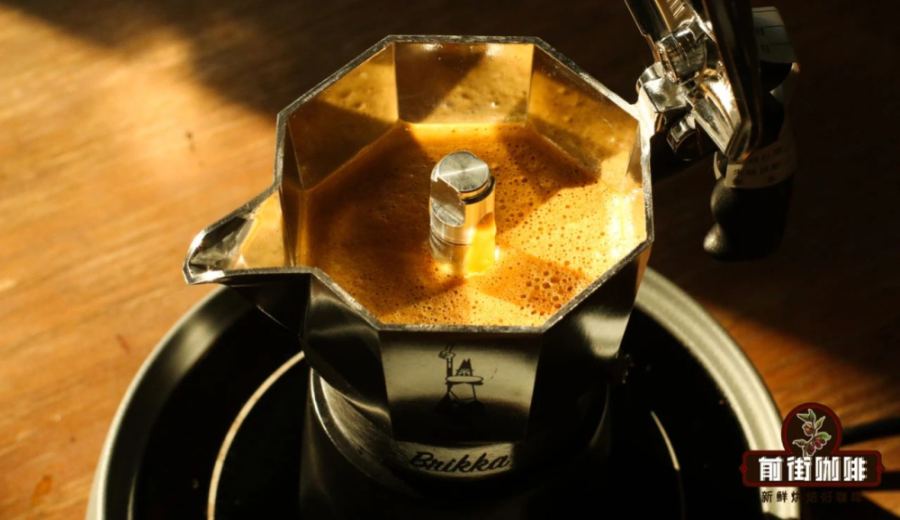
Introduction:Many people who enjoy brewing coffee with a Moka pot have wondered: are coffees with pronounced acidity suitable for Moka pot extraction? To answer this question, we selected three coffee beans with varying acidity profiles for practical testing, covering light to medium roasts, and observed their crema, flavor performance, and ideal drinking methods under Moka pot extraction. This article will guide you on how to choose suitable Moka pot coffee beans based on bean characteristics, and provide practical parameters and operational tips so you can brew well-balanced coffee at home.
Many Moka pot users often ask questions like: “Is this fruit-acidic coffee bean suitable for brewing with a Moka pot?” or “Does coffee brewed with a Moka pot that has acidic notes taste good?” These questions actually reflect common concerns and curiosity about using the Moka pot to extract acidic beans. To explore this further, we specifically selected three coffee beans with distinct acidity levels and flavor profiles for actual extraction tests—Ethiopia Yirgacheffe Guji Dingding, Costa Rica Mozart, and Papua New Guinea Bird of Paradise. We tasted both the straight shots and ice americano versions (made by adding ice water), observing differences in crema and flavor, and further summarized the types of coffee beans that are suitable for Moka pot extraction along with operational suggestions.
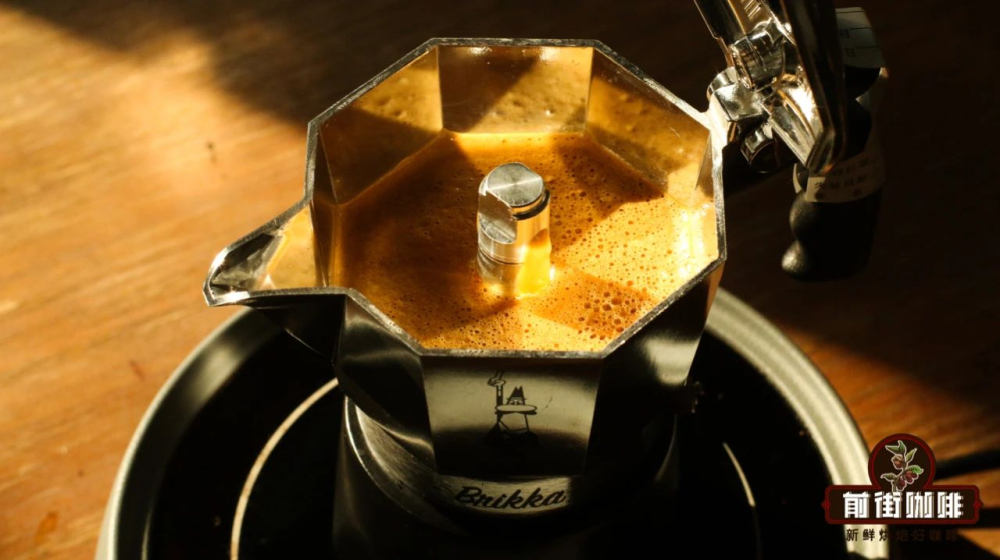
In fact, when choosing beans for Moka pot brewing, many people tend to prioritize those described as having prominent acidity notes such as “citrus,” “lemon,” or “berries,” hoping to recreate the bright, clean flavors of pour over coffee. However, in practice, not all acidic beans are suitable for Moka pot extraction. To verify which acidic beans truly work well, we carefully selected three representative beans with distinct acidity layers, covering light roast, light-medium roast, and medium roast ranges, for direct comparison.
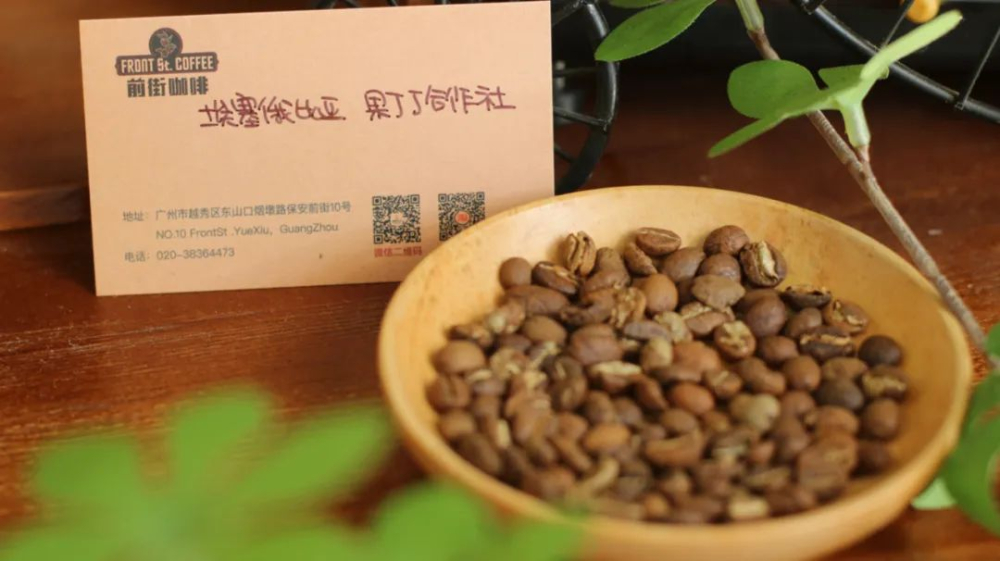
First, one of the key factors affecting the expression of coffee acidity is the roast level. For ease of understanding, we roughly categorized these three beans into light, light-medium, and medium roasts: Ethiopia Yirgacheffe Guji Dingding is a light roast, featuring bright citrus, floral, and green-tea-like acidity; Costa Rica Mozart is a light-medium roast, showcasing sweet fruit tones such as berries, grapes, and fermentation aromas; while the darkest roasted among them is Papua New Guinea Bird of Paradise, whose acidity is more restrained, presenting caramel, cocoa, apricot, and a hint of hawthorn-like sourness.
For Moka pot extraction parameters, we used the classic Bialetti 3-cup Moka pot, with approximately 18 grams of coffee grounds and 150 milliliters of water. The grind size is recommended to be slightly coarser than typical espresso, roughly around the 0.5 setting on an EK43 grinder—fine but still with some granular texture. This grind helps control extraction time and flow rate, preventing over-extraction that could lead to sharp acidity or bitterness.
When filling the coffee basket, it’s recommended to pour the grounds directly without additional tamping. Fill the basket completely, including the edges, allowing the coffee to naturally pile up in a small mound, maintaining a loose yet even distribution. Then simply press the upper chamber down vertically and screw it tightly. This method ensures a stable puck structure during extraction, reducing the chance of collapse, and helps maintain consistent extraction pressure and flow rate.
After extraction, we tasted each coffee in two ways: as a straight shot, and as an ice americano made by adding ice water—to simulate how many users actually use Moka pot coffee as a “concentrated base.” Observing the crema and overall flavor, we made the following findings.
First, let’s look at the crema:Ethiopia Yirgacheffe Guji DingdingAlthough it’s a light roast, it was still able to produce some crema under appropriate Moka pot parameters, though the layer was thin and dissipated within about 30 seconds;Costa Rica Mozartshowed slightly better crema performance, with a relatively richer layer; whilePapua New Guinea Bird of Paradisedisplayed the most pronounced and long-lasting crema, both visually and in mouthfeel, appearing fuller and more luxurious.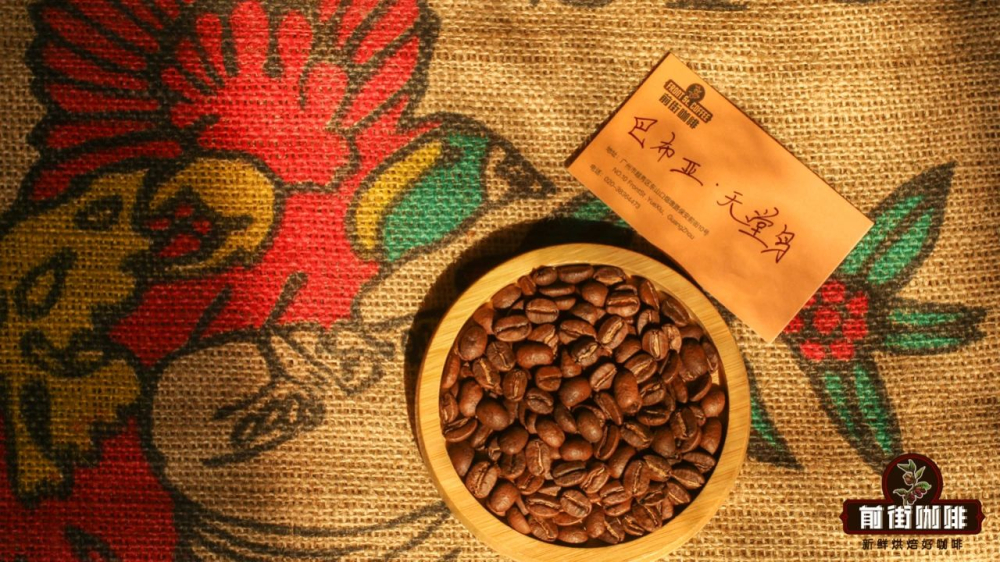
In terms of flavor, each of the three coffees had its own characteristics. The straight shot of Ethiopia Yirgacheffe Guji Dingding had a rather sharp acidity, which could feel unbalanced when sipped directly; as an ice americano, the acidity remained single-noted and pronounced, resulting in a more intense overall experience. Costa Rica Mozart’s straight shot had noticeable fermentation notes, with relatively high acidity, but when diluted into an ice americano, the berry acidity became more vibrant, accompanied by subtle wine-like aromas and chocolatey aftertaste, making it much smoother overall. Papua New Guinea Bird of Paradise was the most suitable for direct sipping among the three—the acidity was full-bodied and layered, transitioning mid-to-late into chocolate and caramel bitterness, resembling a lower-concentration espresso; the ice americano version showcased bright fruity acidity with a moderate amount of caramel aroma, offering a balanced profile that was neither too sour nor astringent.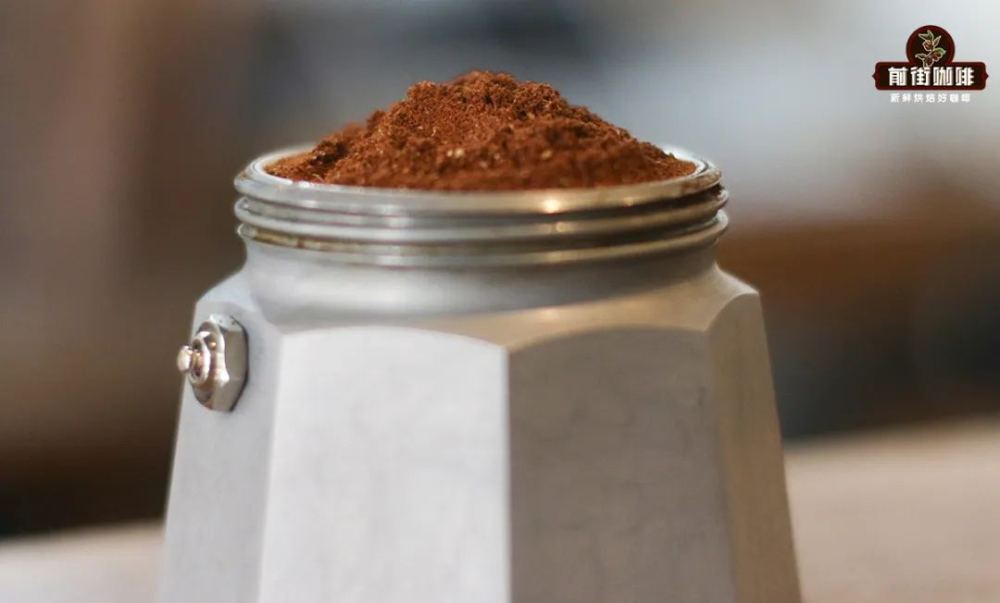
Based on the comprehensive test results, we’ve summarized the following bean selection and operational suggestions for Moka pot enthusiasts:
1. For coffee beans with flavor descriptions that include prominent acidity terms like “lemon” or “citrus,” use caution with Moka pot extraction, as their acidity can easily become overly pronounced and difficult to balance with other flavor notes.
2. It’s best to choose medium-light roasted coffee beans with sweet fruit flavors (such as berries, caramel, cocoa, etc.), as these types generally pair better with the Moka pot’s extraction characteristics and tend to deliver rich, smooth flavors. Beginners may want to start with beans that have obvious sweetness. If you still wish to try beans with strong acidity, consider diluting with ice water or preparing as an ice americano, which can help soften the sharp acidity.
3. Opt for coffee beans with rich flavor layers and strong expression (such as Mozart in our test), as they can showcase intense aromas and smooth taste under Moka pot extraction, making them suitable for daily enjoyment or for those trying Moka pot coffee for the first time.
The above content is compiled by CoffeeHunters, a coffee news website.


