







Introduction:Many beginner pour over enthusiasts find their home-brewed coffee lacking in flavor or even overly sour, failing to deliver the fruity or floral notes described on the packaging. This article systematically breaks down the key factors affecting flavor — from coffee bean freshness, water quality, grind size, water temperature control to pouring techniques — and provides practically tested parameter suggestions, including a coffee-to-water ratio of 1:15~1:16 and a water temperature of 90-93°C for light roasts, to help readers quickly find their golden combination for stable extraction.
Many home pour over coffee lovers face a similar issue: even when following the instructions on the package, they can’t seem to coax out the expected fruity or floral aromas, often ending up with dull acidity or an unremarkable taste. This is usually due to minor deviations across multiple aspects — from the freshness of the beans, the hardness of the water, to the match between grind size and pouring method — each variable directly influencing the final flavor outcome.
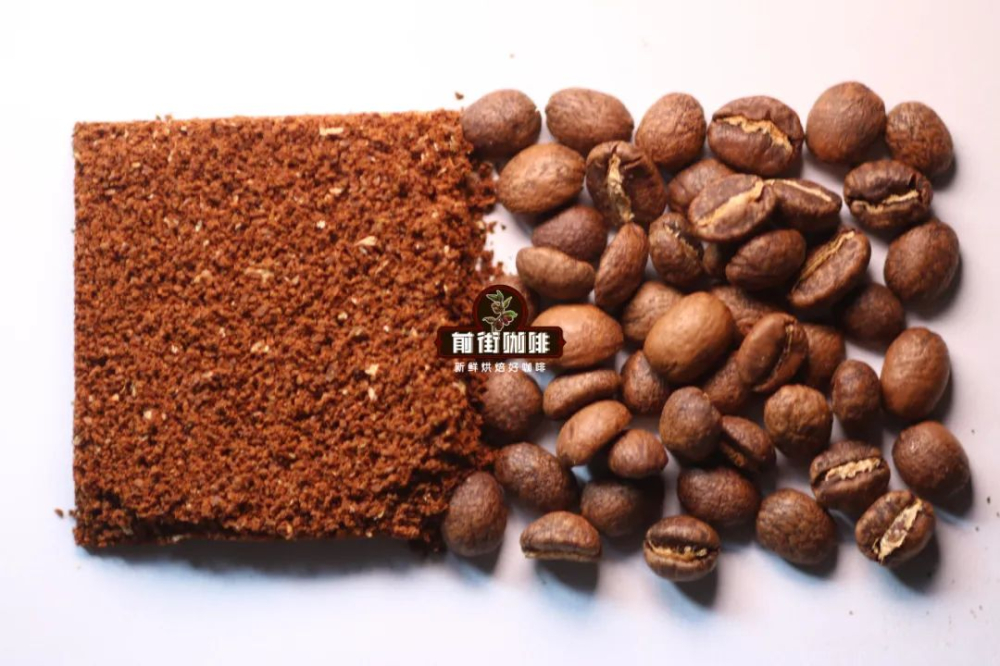
Let’s start by focusing onthe optimal freshness period of coffee beans— a crucial factor often overlooked by amateur brewers. It’s important to first clarify the difference between ‘flavor’ and ‘taste’: flavor refers to the combined sensory experience of aroma and taste, such as detecting citrus notes alongside a bright acidity; whereas taste refers purely to the basic sense of taste. The commonly seen “best before 365 days” on coffee packaging only guarantees food safety, but the trueflavor peak period is within 45 days after roasting, especially during the 1-2 weeks after the degassing period (approximately days 4-7 post-roast). During this phase, once the excess carbon dioxide has been released, the aromatic compounds reach their peak expression. Beyond 45 days, even with proper storage, volatile aromas will continue to decline. Reminder: when buying beans, pay attention to the ‘roast date’ on the packaging rather than just the expiration date, and it’s recommended to divide them into smaller portions for storage to avoid having some beans go past their prime before you can use them.
The impact of water quality is often underestimated; in reality, over 98% of a cup of pour over coffee is water, and its mineral composition directly affects extraction efficiency. Ideally, the total dissolved solids (TDS) of the water should be controlled between 100-200ppm: below 100ppm may lead to under-extraction, resulting in a flat flavor; above 200ppm, hard water tends to extract excessive impurities, producing bitter or off tastes. Special note: while pure water (e.g., RO reverse osmosis water) contains no impurities, the absence of essential minerals can make the coffee taste hollow and lack complexity. In practice, it’s recommended to choose filtered water or natural mineral water with suitable TDS values from the market, and to avoid using tap water directly (which may contain chlorine or other interfering substances) or distilled water.
As forthe logic behind adjusting core extraction parameters, many beginners overly focus on complex pouring techniques while neglecting the stability of fundamental parameters. In fact, as long as you master five key elements — coffee dosage (adjusted according to filter capacity, commonly around 15-20 grams for a single serving), water temperature (90-93°C for light roasts, reducible to 88-90°C for medium-dark roasts), coffee-to-water ratio (mainstream range 1:15 to 1:16, i.e., 1 gram of coffee to 15-16 milliliters of water), grind size (adjusted in tandem with water temperature and brew time), and total brew time (usually around 2 minutes) — you can establish a solid foundation with high tolerance for error.
The choice of grind size should be guided by the flow rate of the coffee:if the water level drops slowly after pouring and the bed of grounds ends up mushy by brew’s end, it indicates the grind is too fine(which may cause over-extraction, leading to bitterness and astringency);conversely, if the water drains too quickly and obvious coarse particles remain in the bed, then the grind is too coarse(often resulting in under-extraction and weak flavor). It’s advisable to validate your parameter setup through a ‘time test’ — dividing the brew process into three pours with the total time kept around 2 minutes. If the coffee exhibits the expected aroma and balanced acidity-sweetness at this point, it means the grind size and technique are well matched. Moreover, the more segmented pours you use (e.g., the common ‘center pour + circle’ done in 3–4 segments), the longer the overall extraction time will be, and you’ll need to adjust the grind coarseness accordingly to balance concentration.
Finally, bear in mind that the flavor outcome of pour over coffee is the result of multiple interacting variables. Even with the same coffee beans, changing the water temperature by 5°C or adjusting the grind size by one notch can significantly alter the final taste. It’s recommended that beginners start with standard parameters (e.g., 15 grams of coffee, 225 milliliters of water, 92°C water temperature, 1:15 ratio), then gradually fine-tune one variable at a time to observe the differences, while keeping records of each brew’s conditions and flavor notes, in order to develop your own optimal extraction formula over time.
The above content is compiled by CoffeeHunters, a coffee news website.


