








Introduction:When iced Americano meets oysters, this seemingly mismatched combination is sparking heated discussions in the coffee community. From the creation of the "Oyster Bitter" specialty drink to the increasingly extreme experiments in creative coffee in recent years, this article delves into how such beverages strike a balance between sensory stimulation and the essence of coffee. Readers will learn about the actual preparation methods, potential controversies, and market trends behind these creative drinks.
Iced Americano, a classic in the coffee world, has been given various new twists by netizens in recent years. From herbal medicine extractions to mixtures with Huoxiang Zhengqi Liquid, we now have the astonishing "Oyster Iced Americano"—a creative specialty drink named "Oyster Bitter." This unconventional pairing not only challenges taste boundaries but also sparks discussions on the limits of creative coffee.
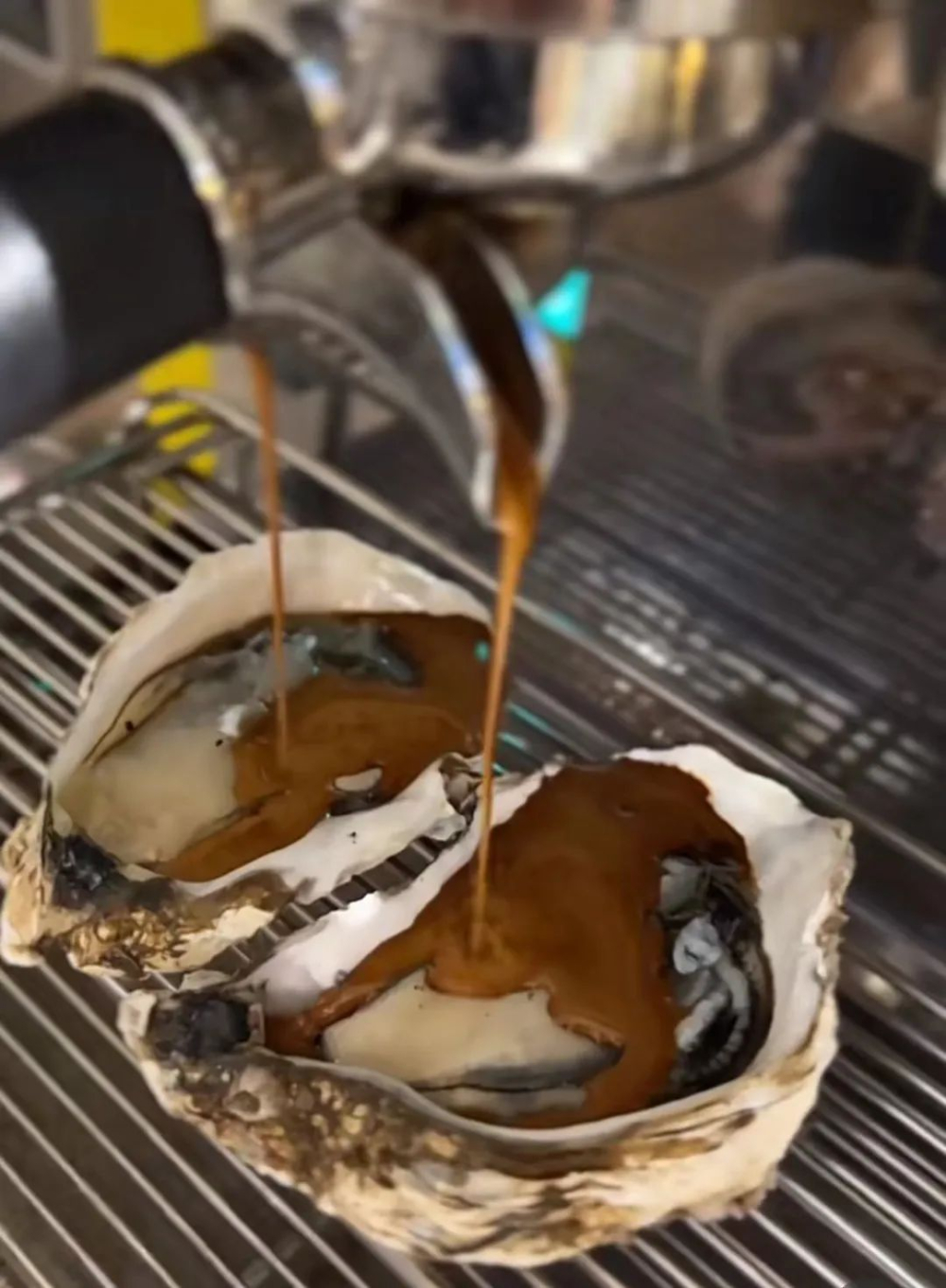
The making of this specialty drink is full of drama: first, the oysters are cleaned and shucked, then placed under the drip tray or brewing head of a coffee machine. Next, 94°C hot water is used to extract espresso, and the high temperature instantly heats the oysters to about medium-rare. Meanwhile, a glass of sparkling water with ice cubes and lemon juice is prepared. Finally, the oysters, now half-cooked, are quickly immersed in the drink, completing the visually and gustatorily shocking "Oyster Bitter" specialty.

Beyond the oyster and coffee combo, netizens have also gotten creative, experimenting with pairing seafood like salmon sashimi with Americano. These highly visual drinks, though mostly experimental, reflect the current trend of specialty coffee chasing attention-grabbing appeal. It's worth noting that the preparation of such drinks carries potential hygiene and food safety risks, and it’s advised that both businesses and consumers carefully assess the risks.
The evolution of creative coffee reflects changes in the markets of Taiwan and abroad. Early specialty coffee aimed to lower the barrier to entry, attracting consumers unaccustomed to pure coffee. However, with the influence of social media virality, some drinks have shifted toward pursuing extreme visual effects, often at the expense of basic flavor harmony.Professional baristas point out that an ideal specialty drink should maintain the essence of coffee, complemented by well-paired ingredients, rather than simply chasing gimmicks..
The current development of creative coffee shows a polarized trend: on one hand, there are thoughtfully localized specialties, such as innovative drinks incorporating Taiwanese ingredients; on the other, there are extreme combinations designed purely to grab attention. This phenomenon highlights the industry’s struggle between innovation and quality control.When facing novel and unusual specialty drinks, consumers are advised to prioritize hygiene conditions and flavor reasonableness, avoiding health risks for the sake of curiosity..
Outrageous creativity may attract short-term attention, but in the long run, the competitiveness of coffee drinks still depends on quality and the consumer experience. For businesses, finding the right balance between innovation and practicality will be key to continuously attracting customers. For coffee enthusiasts, understanding the techniques and market motivations behind these specialties can help make more informed choices.
The above content is compiled by CoffeeHunters, a coffee news website.


