







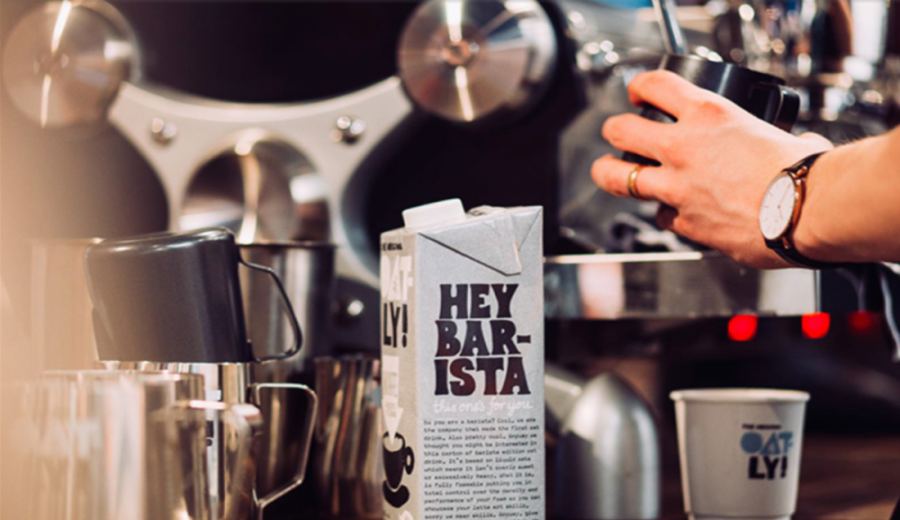
Introduction:The globally renowned oat milk brand Oatly attempted to register the term "Barista" (coffee professional) as a trademark in New Zealand but faced opposition from local food wholesaler Bidfood, and the application was ultimately rejected by the country's Intellectual Property Office. This case not only highlights the controversy surrounding the registration of generic terms as trademarks but also sparked industry discussions on the monopolization of common words by brands. This article delves into the ins and outs of the incident and explores the potential impact of registering generic terms on both the industry and consumers.
Oatly, a leading brand in the oat milk market, recently applied to register the term "Barista" as a trademark in New Zealand, aiming to strengthen its association with the professional coffee sector. However, this move met with strong pushback from local food supplier Bidfood.
Bidfood pointed out that the term "Barista" has long been widely used in the plant-based milk category, especially among baristas or coffee extraction-focused consumers, where it has become a generic adjective to describe plant milks suitable for latte art and professional use—something that should not be monopolized by a single brand.
In fact, Oatly had submitted its trademark application for "Barista" to the New Zealand Intellectual Property Office as early as September this year. However, Bidfood quickly filed an objection, arguing that the term is already commonly used across various dairy alternative products, including soy milk, almond milk, and other plant milks.
In response to the dispute, Oatly argued that although "Barista" literally refers to a coffee professional, in actual market usage, consumers have come to directly associate the term with Oatly’s oat milk products, thus giving it distinctiveness and meeting the basic criteria for trademark registration.
Nevertheless, the New Zealand Intellectual Property Office did not accept Oatly’s argument. The office held that when used for dairy alternatives, "Barista" is a descriptive term, and consumers generally expect such labeling to mean that the product is suitable for use and preparation by baristas—not to refer to any specific brand.
Expert witness Dr. Valentyna Melnyk, who was responsible for the ruling, also noted that dairy alternative products are essentially designed to mimic the usage scenarios of traditional dairy products, and the term "Barista" in these contexts carries a functional descriptive meaning and should not become an exclusive trademark of a particular brand.
This case also brings to mind similar disputes in other regions, such as the attempt by some businesses in China to register the term "Geisha coffee" as a trademark. Although some applications initially passed preliminary reviews, they still raised concerns within the industry about the monopolization of generic terms.
The original intent of trademark registration is to protect brand exclusivity and prevent market confusion and unfair competition. However, including generic or descriptive terms under trademark protection can not only restrict normal industry usage but also easily mislead consumers.
Taking "Barista" as an example, if the term were to ultimately become a proprietary term for a single brand, the industry would face limitations on vocabulary usage, and it could even affect the circulation of professional terminology among baristas. More broadly, it also underscores the challenges in identifying industry generic terms during trademark examination.
The above content is compiled by CoffeeHunters, a coffee news website.


