







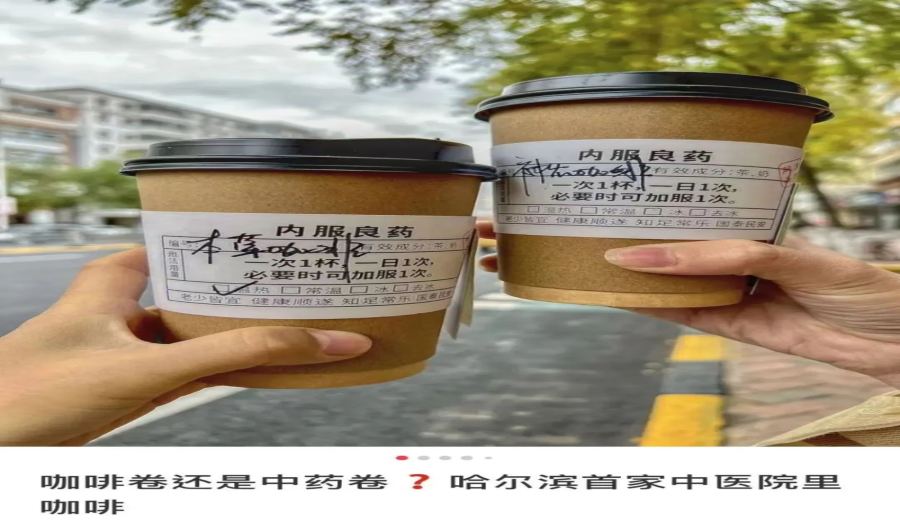
Introduction:When traditional Chinese medicine collides with modern coffee culture, a series of "coffee" beverages developed by Harbin Jiren Traditional Chinese Medicine Hospital have caught public attention. These caffeine-free specials can be customized according to individual constitutions, and some even support payment via medical insurance cards. This article delves into the rationale behind the cross between TCM and coffee, explores how such innovative drinks are attracting health-conscious young consumers, and analyzes their practical benefits and market response.
Amid fierce competition in the coffee industry, the world of traditional Chinese medicine has entered the market fray in a unique way. The Guoyitang branch under Harbin Jiren Traditional Chinese Medicine Hospital recently launched an innovative drink called "coffee," distinguished by being entirely caffeine-free and instead made from pure Chinese medicinal herbs. Among these special drinks, the most eye-catching detail is that some products can actually be purchased using a medical insurance card — a move that immediately stirred heated online discussion.
According to consumer feedback, the "baristas" at Guoyitang first take the customer’s pulse for diagnosis, then customize herbal tea or specially blended "coffee" tailored to each person’s constitution. This personalized service truly embodies the core TCM principle of "syndrome differentiation and treatment," and the preparation process of some drinks even draws on the refined extraction techniques of pour over coffee.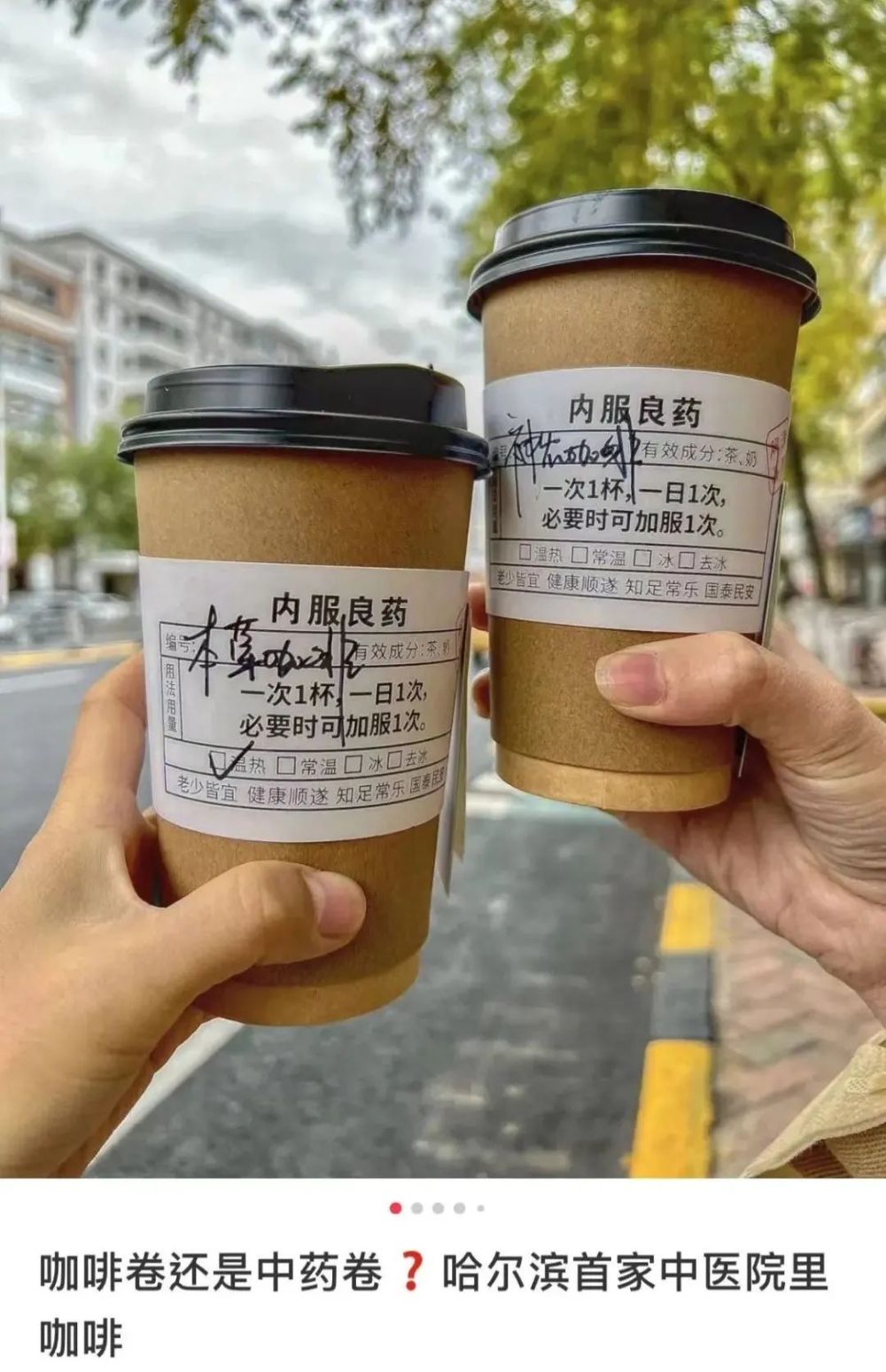 This creative approach has led many netizens to exclaim that brewing Chinese herbal granules at home is actually quite similar to making pour over coffee.
This "conquering strength with gentleness" market strategy has yielded remarkable results, with many locals in Harbin specifically visiting to experience this new wellness trend. While actual therapeutic effects may vary, the hospital has successfully guided the younger demographic to view TCM culture through a fresh lens, achieving an important brand communication goal.
Regarding whether these innovative drinks can be covered by medical insurance, it turns out that some products do support medical insurance settlement, but not all items fall within reimbursable categories. Consumers should pay special attention to the distinction when making purchases.
In recent years, as health awareness has rapidly grown among younger generations, various "TCM+" innovative combinations have become major attention-grabbers. Notably, standalone TCM products often struggle to engage young people, but when combined with coffee — a symbol of modern lifestyle — this stark contrast has given rise to a whole new consumption trend.
Looking back at market developments, Tongrentang pioneered the trend several years ago by launching creative products such as goji latte and hawthorn-tangerine peel americano, successfully carving out a new track in "coffee wellness." This "stay healthy even while burning the midnight oil" punk wellness philosophy has now become a lifestyle attitude for many young people. Astute coffee business operators have gone a step further by setting up shops directly inside traditional Chinese medicine stores, creating a strong wellness atmosphere.
Nowadays, TCM hospitals are also integrating service spaces into café environments, fostering an interesting dialogue between traditional Chinese medicine and modern coffee culture. Netizens humorously comment that if coffee had originated in China, it would surely have been recorded in the Compendium of Materia Medica. Although the Compendium of Materia Medica does not actually list coffee, related records can be found in the Chinese Herbal Medicine compendium — though whether coffee should be classified as a TCM herb remains a topic of academic debate.
The above content is compiled by CoffeeHunters, a coffee news website.


