







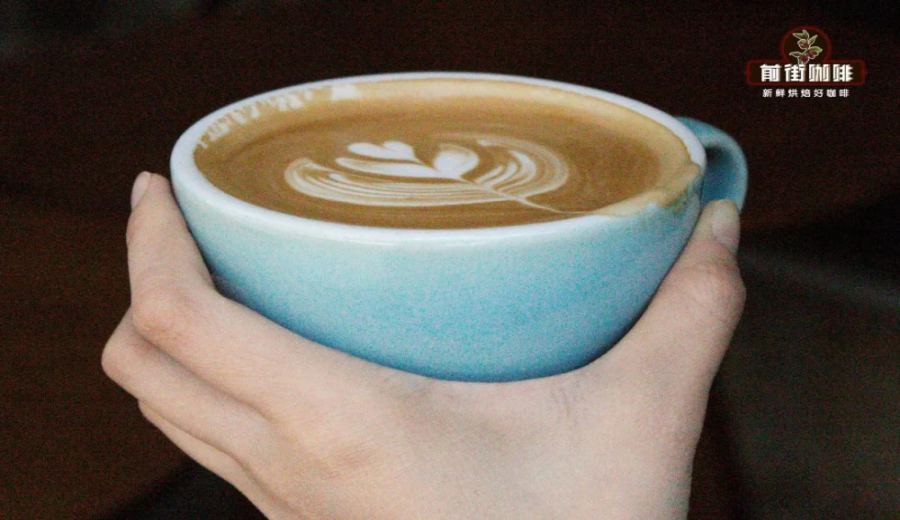
Introduction:As winter arrives, many people prefer a warm cup of latte or cappuccino. But do you know what temperature the milk foam should be heated to in order not to ruin the texture while perfectly blending with the coffee aroma? This article delves into the ideal milk temperature range for hot milk coffee, from the subtle differences between 55°C and 65°C to the changes in foam texture and flavor beyond 70°C. It also provides different temperature control suggestions for lattes and cappuccinos to help you brew more professional and smoother milk-based coffee.
When temperatures drop, lattes and cappuccinos become the top choice for many coffee enthusiasts. The milk steamed to create foam blends with espresso, delivering a smooth and comforting drinking experience. However, to brew a truly satisfying milk coffee, controlling the temperature of the milk foam is crucial. So, what is the optimal temperature for heating the milk foam in hot milk coffee?
In the standard preparation process at most coffee shops, the milk foam temperature for hot milk coffee is generally controlled within55°C to 65°C. This range not only preserves the sweetness and silky texture of the milk but also helps achieve a balanced flavor with the espresso. Especially during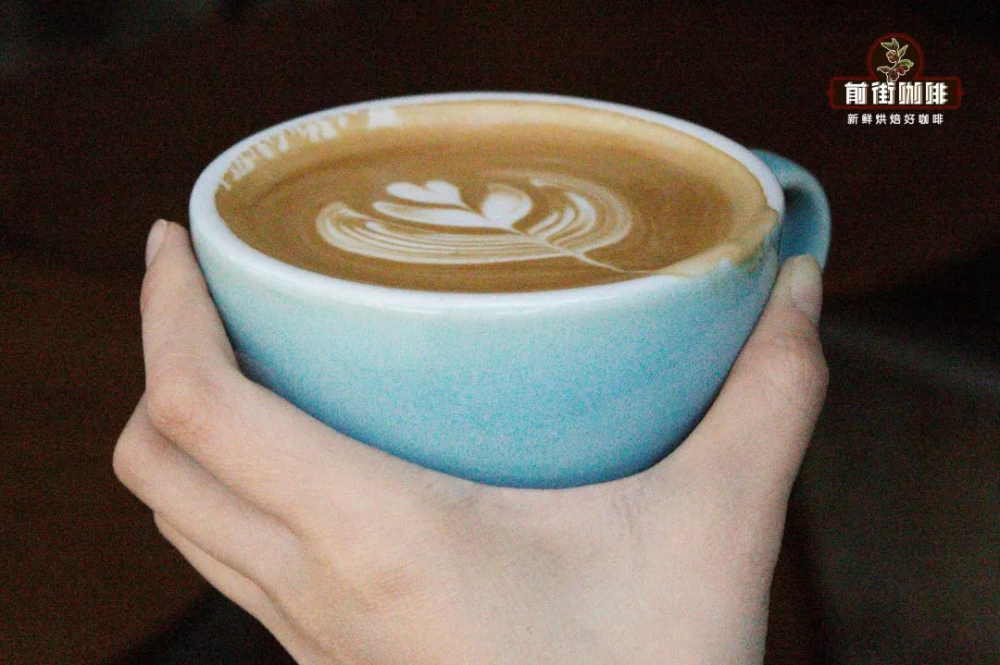 the steaming process, once milk is mixed with air to form fine microfoam, it needs to quickly enter the heating phase to ensure even integration between the foam and the base milk.
This temperature range is widely adopted because50°C to 70°Cis a phase where the physical properties of milk remain relatively stable. Within this range, the elasticity and density of the foam perform best, resulting in a smooth-textured milk coffee where latte art designs can hold their shape longer without collapsing. Proper temperature control significantly enhances both the texture and visual appeal of the entire drink.
However, some customers or beginners, worried that hot drinks cool down too quickly, tend to heat the milk to higher temperatures, such as close to or above 70°C. This is when issues arise:Once the milk temperature exceeds 70°C, the overall taste and aroma performance actually decline noticeably.
Firstly, when the milk is too hot, the protein structure within begins to break down, reducing the stability of the foam. At this point, you may notice a clear separation between the foam and the coffee liquid, making it feel like two distinct liquids. This happens because the foam layer and the base milk heat up at different rates, causing a temperature difference that affects overall integration and mouthfeel.
Additionally, when the milk is overheated, your tongue’s ability to perceive delicate textures diminishes. Even if the foam looks dense, the excessive heat makes it hard to appreciate its fineness. Worse still, high temperatures can cause the foam to break apart rapidly, leading to collapsed latte art and a diminished drinking experience.
Another commonly overlooked issue is that although you might smell a rich milky aroma when the milk is above 70°C, the actual taste becomes thinner, sometimes even slightly off or barnyard-like. This is because high heat causes certain compounds in the milk to volatilize or deteriorate, negatively affecting the overall flavor.
For beginners, controlling milk temperature might sound complex, but it can actually be mastered with simple tools and practice. It is recommended that novices use a thermometer along with tactile feedback. When the milk reaches around40°C, you’ll start to feel a slight warmth on your hand.As the temperature gradually rises, when the outside of the pitcher feels too hot to touch, it usually indicates a temperature of around55°C or above
—at which point it’s advised to stop heating.
Experienced baristas mostly rely on feel. Once the milk has been properly steamed to a velvety texture, they simply submerge the steam wand below the milk surface and adjust the steam pressure by listening and feeling, slowly raising the temperature to the target range.As autumn and winter arrive and ambient temperatures drop, hot drinks cool faster. To keep milk coffee at an enjoyable drinking temperature for longer, it’s advisable to preheat cups or choose ceramic ones with good insulation. In practice, baristas often set the milk foam temperature for latte-style drinks to around65°C, which is roughly an additional3–5 seconds
of heating within the basic range, to add more roundness to the flavor without making it uncomfortably hot upon drinking.As for cappuccinos, characterized by their layer of about1.5–2 cm thick foamon top, the focus is more on the foam’s density and texture. Therefore, it’s recommended to keep the milk temperature at60°C or below
The above content is compiled by CoffeeHunters, a coffee news website.


