







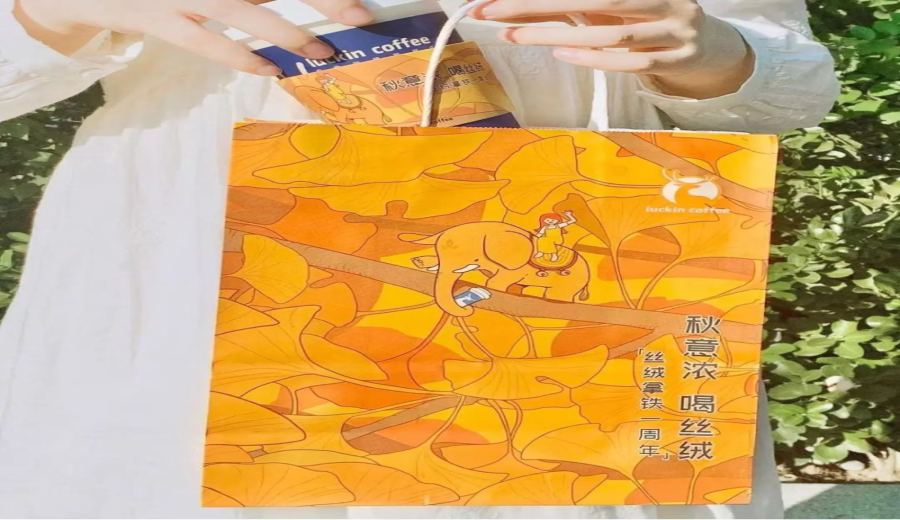
Introduction:The paper bags and cup sleeves from Luckin Coffee are not just containers for beverages—they’ve become popular items eagerly collected and repurposed by consumers. This article delves into how Luckin builds emotional connections with its customers through packaging design. From collaboration editions to seasonal themes, each design hides a brand communication strategy. Understanding these thoughtful touches not only reveals Luckin’s marketing techniques but also offers independent cafés inspiration for brand development.
The flavor of a Luckin coffee might be forgotten soon after drinking, but the paper bag is often kept. In recent years, Luckin has successfully captured consumer attention with its unique packaging designs—from collaborations with various brands to seasonal limited editions, from coffee-growing region features to holiday specials. These paper bags and cup sleeves are not only functional but have also become carriers for spontaneous collection, customization, and sharing by consumers. This article will analyze, from the perspectives of design strategy, environmental consciousness, and social media spread, how Luckin achieves deep interaction with consumers through a simple piece of paper, and explores brand development directions that independent cafés can learn from.
Since completing a major restructuring, Luckin’s marketing strategies have indeed been refreshing. Beyond continuously issuing coupons to retain loyal customers, Luckin also uses diverse designs to capture the attention of the general public from multiple angles. With growing awareness of environmental sustainability, Luckin has achieved remarkable results with just a sheet of paper. The taste of coffee may be fleeting, but the packaging is often kept. Recognizing consumers’ tendency to recycle and reuse, Luckin has invested significant effort into its packaging design.
Whether it’s a product relaunch, holiday celebration, seasonal change, brand collaboration, or merchandise development, designers create around several core principles: ensuring materials are reusable, allowing consumers to engage in secondary creation, enabling the brand to achieve secondary exposure, and helping consumers directly understand the brand’s intent through the design. These designs are not only aesthetically pleasing but also carry deeper considerations about brand-consumer interaction.
Many consumers have this habit: when they accumulate enough paper bags, they always want to do something with them. Numerous netizens recall that as children, they loved wrapping their schoolbooks in paper bags and cutting out the pretty patterns to save for making handmade newspapers later. As adults, this habit remains, but their crafting skills have improved. Some directly repurpose the original materials into tissue boxes or phone cases; those more skilled even make creative items like lanterns or night lights.
Consumers’ secondary creations not only greatly improve the recycling rate of materials but also allow the brand to achieve five rounds of dissemination invisibly: first is brand promotion sparking interest, then consumers purchasing on their own, followed by collecting and customizing before sharing the creations, then other consumers imitating the trend, and finally attracting more people who weren’t originally interested in the brand to join in consumption, thus starting a new cycle of viral spread. This spontaneous diffusion effect is the key to the success of Luckin’s packaging design.
In terms of content design, Luckin launches themes corresponding to the four seasons and various holidays; when there are no specific occasions, it selects high-publicity topics for collaborations or new product launches. For products related to coffee-growing regions, design inspiration often comes from representative wildlife of the origin areas, presented through illustrations to showcase regional characteristics. By capturing the unique beauty of nature and conveying it through rich colors, Luckin promotes environmentalism while strengthening its brand image.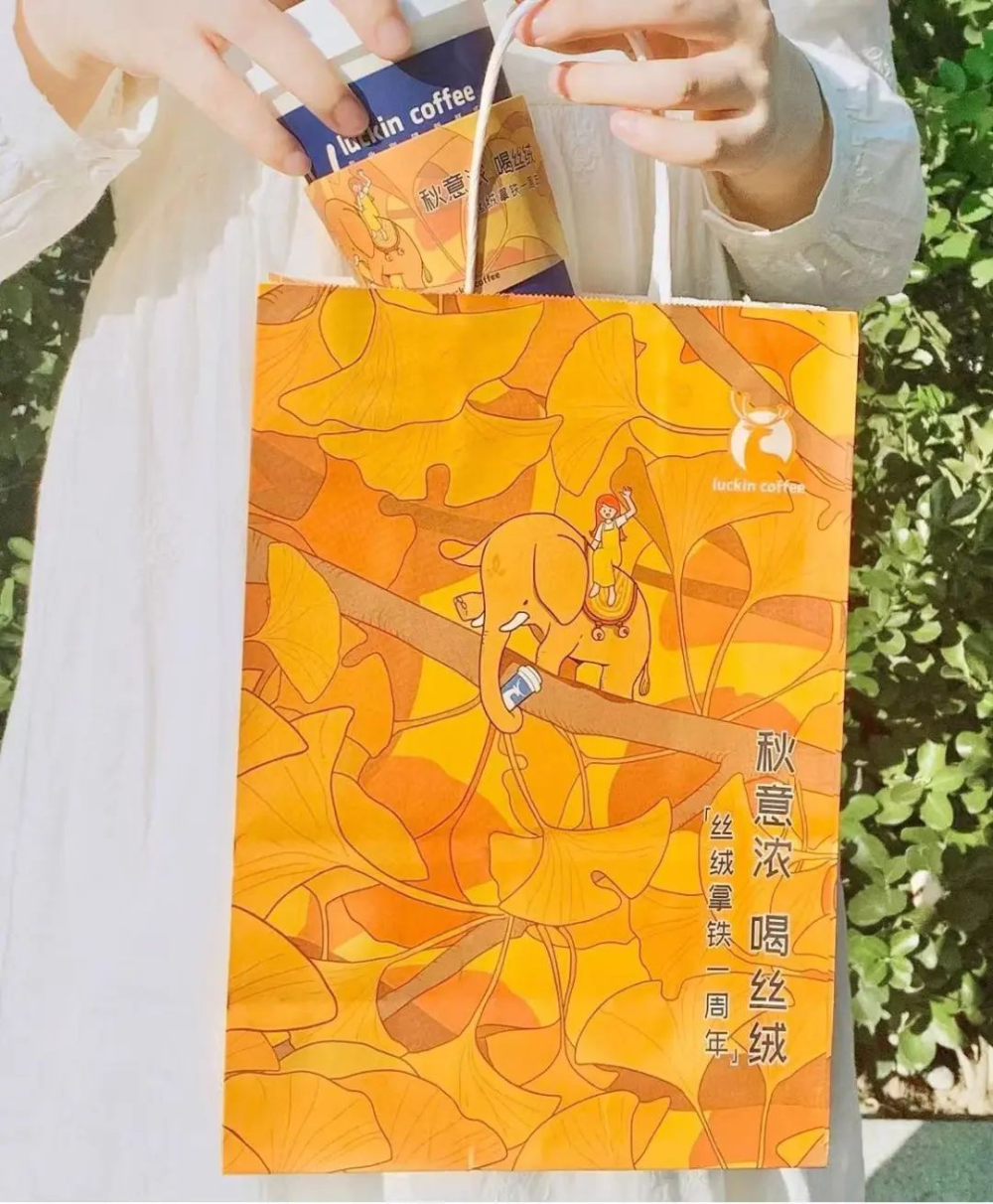
Beyond the designs themselves, Luckin actively interacts with netizens on major social platforms, developing memes to bridge the gap between the brand and consumers in a down-to-earth way. DIY works shared by users are often officially recognized, and this interactive approach fully caters to the preferences of the new generation of consumers. For coffee brands, especially independent cafés, to achieve growth, it’s essential to let more consumers encounter the brand in their daily lives. Playing along with consumers, offering more interactive experiences beyond just coffee, and letting the brand be remembered in diverse ways—these are the keys to brand growth.
The above content is compiled by CoffeeHunters, a coffee news website.


