








Introduction:The charm of pour over coffee lies in how each cup can showcase unique flavors, but improper extraction often dulls the potential of even high-quality beans. This article will guide you in intuitively discerning the differences between under-extracted and over-extracted coffee through taste, including the common issues behind excessive acidity, thin body, and harsh bitterness. We’ll also explore how key variables such as grind size, water temperature, and pouring techniques influence extraction results—helping you achieve a more balanced cup.
Brewing a great-tasting pour over isn’t just about technique—it’s equally about your tasting ability. This doesn’t require poetic descriptions of flavors, but rather the skill to judge whether a coffee truly tastes good, with balanced acidity, sweetness, and bitterness. One café even conducted a real-world test where customers evaluated flavor differences based on paper filter fit. Even non-professionals could clearly distinguish variations between different coffees after comparing just a few samples.
Even if you’re not a fan of acidity, it’s worth understanding that bright fruit acids—like those from citrus, passionfruit, or grapes—often signify positive flavor notes in coffee. Similarly, rich bitterness reminiscent of dark chocolate is a layered flavor many enjoy. (Experienced coffee lovers know just how captivating the aftertaste of pure dark chocolate can be.)

Under-extraction is one of the most common issues in pour over brewing, typically resulting in overly sharp acidity that can even sting the tongue. Sweetness and bitter compounds aren’t fully released, leading to an overall thin flavor profile. Such coffee often has a noticeable wateriness, feeling light but lacking depth, usually caused by too coarse a grind, excessively fast pouring, or too short an extraction time. Additionally, insufficient water volume can throw off the brew ratio, amplifying the acidity.
What situations commonly lead to under-extraction? Besides the usual culprits—too coarse a grind, low water temperature, a high coffee-to-water ratio, or insufficient contact time—overly high concentration can backfire. For example, some people brew with a small amount of water and a large dose of coffee, resulting in a seemingly strong cup that only extracts the early-stage flavors, leaving later compounds in the grounds. The result is a harsh, sour intensity. Another issue is channeling, where water flows too quickly through gaps in the coffee bed instead of evenly saturating it, leaving parts of the coffee under-extracted. Uneven blooming (the initial wetting stage) can also delay flavor release if some grounds remain dry, further harming overall extraction.
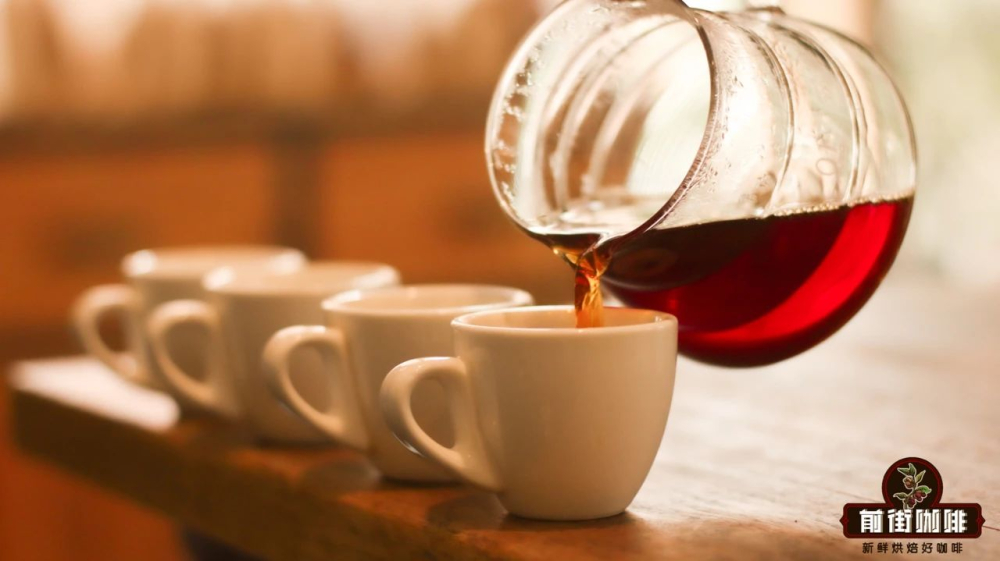
So, what is over-extraction? Simply put, it’s when too much coffee material dissolves into the water—including undesirable compounds. This often produces pronounced bitterness or astringency, sometimes even a rough mouthfeel, due to higher levels of polyphenols that bind with saliva proteins, creating an unpleasantly gritty sensation. Additionally, excessively high water temperatures can generate burnt, harsh bitterness, a hallmark of over-extracted coffee with a lingering, irritating finish.
Based on practical experience, when coffee tastes noticeably bitter, astringent, or burnt, it’s likely due to excessive fine particles, overly slow pouring that extends contact time, or too-high water temperature. Solutions include adjusting the grind to a slightly coarser setting, lowering the temperature, or refining pouring speed and technique to reduce over-extraction risks.
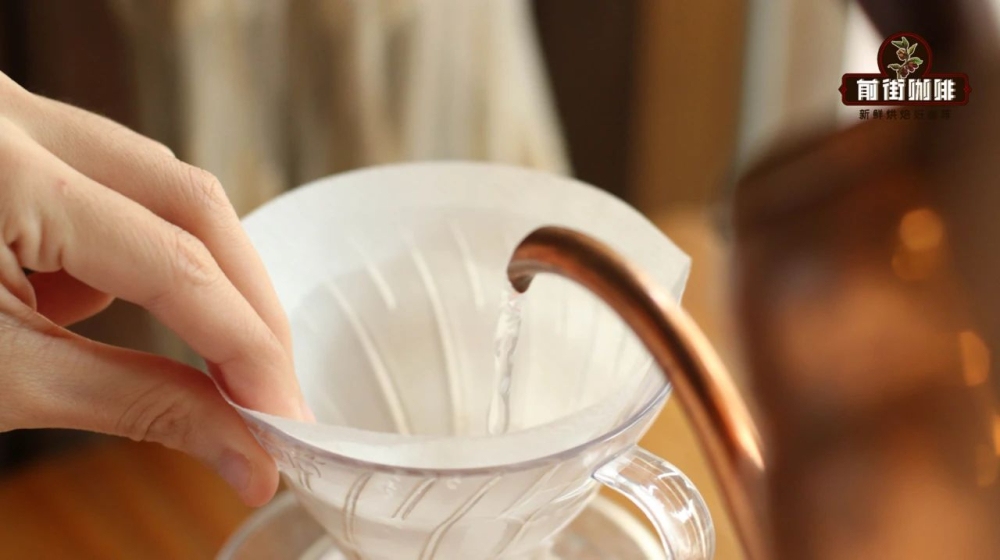
In summary, evaluating pour over coffee isn’t just about nitpicking flavors—it’s about understanding how extraction parameters shape the final cup. By observing the balance of acidity, sweetness, and bitterness, and paying attention to body and texture, you can more accurately identify whether a coffee is under- or over-extracted—and adjust grind size, water temperature, and pouring methods accordingly. Over time, you’ll find your ideal balance.
The above content is compiled by CoffeeHunters, a coffee news website.


