







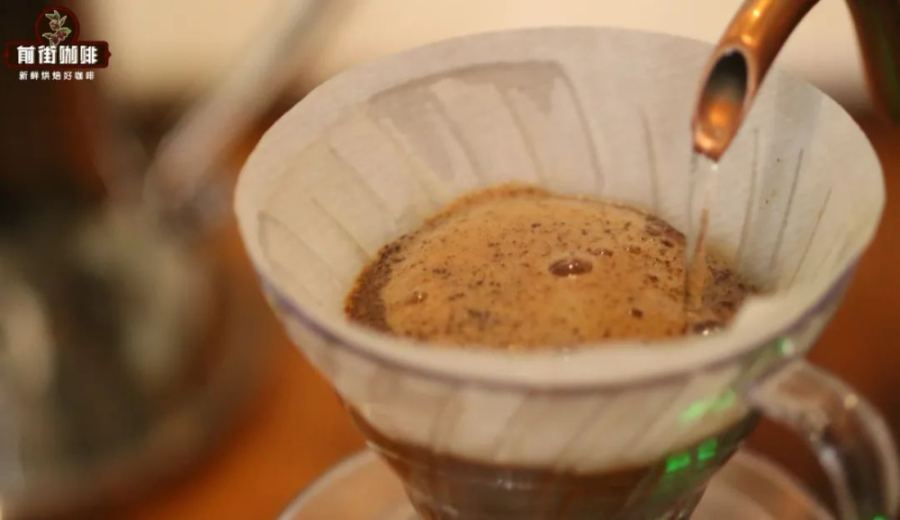
Introduction:There are various pouring techniques in pour over coffee, among which the "rapid circular swirling pour" has garnered significant attention due to its appearance in competitions. This technique utilizes high-speed rotation to generate centrifugal force, accelerating the agitation of the coffee grounds and thereby enhancing extraction efficiency and flavor expression. However, this method demands extremely high operational stability; if not properly controlled, it can easily lead to uneven extraction. This article delves into the principles, advantages, disadvantages, and potential risks of the swirling pour technique, and analyzes its compatibility with different coffee bean characteristics to help readers view this technique rationally and apply it in appropriate scenarios.
In the world of pour over coffee, pouring techniques vary widely, and the "rapid circular swirling pour" is both a controversial and frequently seen technique on the competition stage. This method uses rapid wrist rotation to create centrifugal force in the water flow, which in turn drives the coffee grounds to agitate vigorously. This helps release flavor compounds more efficiently and can even assist in forming a stable “coffee wall” under certain conditions, reducing flavor loss.
However, behind this seemingly dazzling technique lie numerous challenges. For most coffee enthusiasts, especially beginners, failure to accurately control factors such as water flow speed, rotation angle, and pouring height can easily result in uneven extraction of the coffee bed, ultimately affecting the balance and layering of the final flavors.
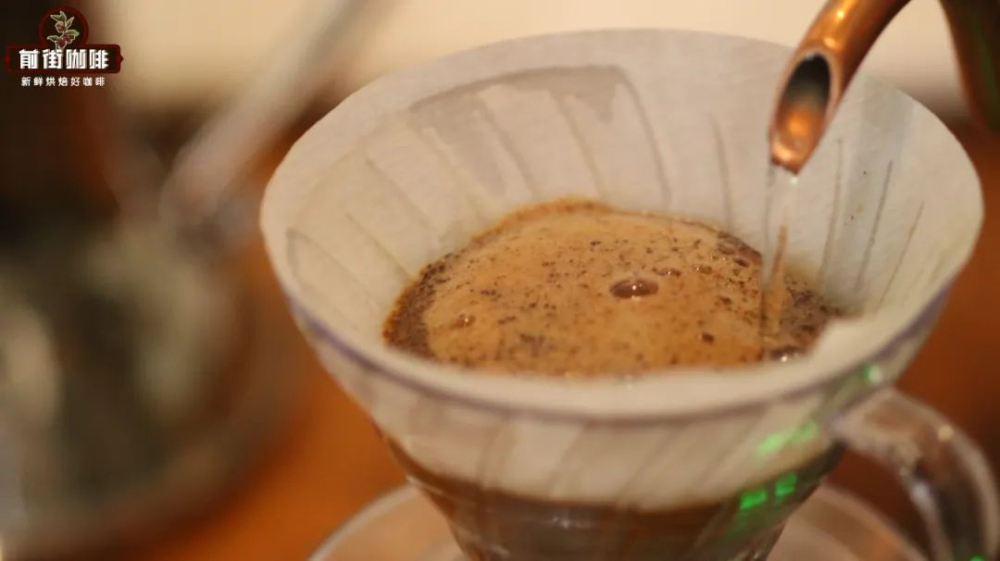
So, what are the potential advantages of the swirling pour? First, the fast circular motion generates sufficient centrifugal force, causing the water to take on a swirling motion. This dynamic water flow helps the coffee bed agitate more frequently, thereby increasing overall extraction efficiency and making aromatic compounds in the coffee easier to release. Moreover, when executed skillfully, this technique can also push the surface coffee grounds and fine particles toward the edge of the filter, naturally forming a “coffee wall” that helps concentrate the filtration flow and reduces the risk of over-extraction or flavor dissipation.
Observing international pour over competitions, it’s not hard to notice that some competitors adopt a pouring style that combines high-speed, large-volume water flow with swirling movements. Among them are even championship winners. Such performances have led many coffee enthusiasts to eagerly imitate the technique. However, it’s worth pondering that the techniques demonstrated in competitions are typically built upon a series of strictly controlled variables—not decided solely by the pouring method itself.
First, the coffee beans used by competition participants are usually custom batches sourced from specific farms. These beans possess very high standards in terms of quality and consistency, and are often high-resistance, very light or light roasted beans. They can still demonstrate stable flavor profiles even under high-intensity pouring. In contrast, coffee beans available in the general consumer market vary greatly in quality. Blindly applying the same technique significantly increases risk.
Second, in a competition setting, participants strive to control other variables—such as grind size, water temperature, and brew ratio—as much as possible. This ensures that the pouring technique becomes just one of many factors influencing flavor, rather than the dominant one. However, in everyday brewing situations, the pouring method often has a more direct and noticeable impact on the final taste.
Furthermore, the pouring technique is just one component of the overall brewing parameters and must be coordinated with factors such as grind coarseness, water temperature, and brew ratio to achieve optimal results. For example, the swirling pour, due to its strong agitation, is suitable for compact-structured, high-resistance coffee beans, effectively highlighting rich floral notes, citrus tones, and bright acidity. But when used with darker roasts or lower-quality beans, it may lead to over-extraction, releasing excessive impurities and resulting in tastes that are burnt, bitter, astringent, or off-flavored.
In addition, if the operator lacks sufficient control over the swirling pour, it may also cause uneven distribution of the coffee bed. Common issues include: thinner or collapsed coffee walls in areas farther from the pour spout, and thicker coffee beds near the spout due to concentrated water flow. These can lead to localized over-extraction or under-extraction, thereby affecting the overall flavor balance.
In summary, while the swirling pour can deliver outstanding results in the hands of professional competitors, it is not the first choice for general coffee enthusiasts, especially beginners. It is recommended to first become familiar with basic pouring methods and master a stable water flow and proper interaction with the coffee bed. Then, based on the coffee variety, roast level, and personal brewing goals, carefully assess whether to incorporate such an advanced technique. Only by fully understanding the interactions among all parameters can one truly brew coffee with balanced flavor and rich layers.
The above content is compiled by CoffeeHunters, a coffee news website.


