







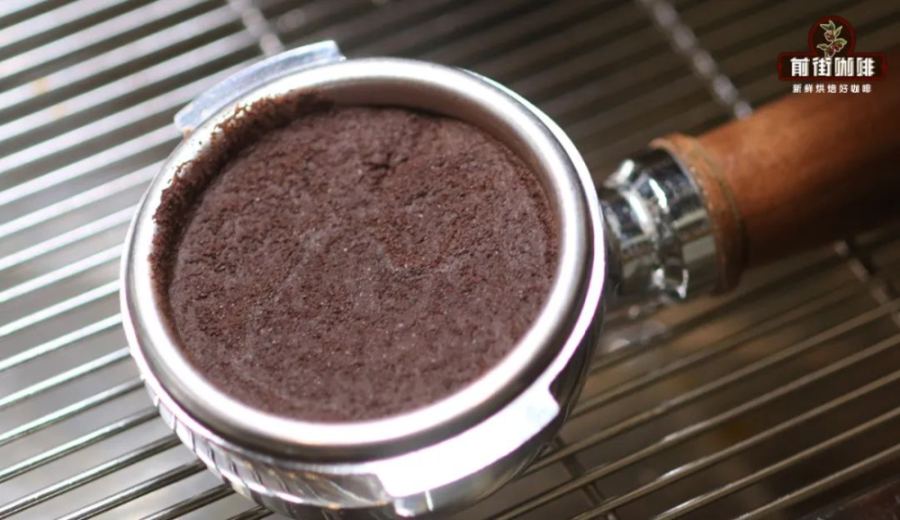
Introduction:When extracting espresso, if you notice water pooling at the bottom of the portafilter basket or the coffee puck becoming wet and losing its shape, it may indicate issues with grind size, bean freshness, dose amount, or extraction pressure. This article delves into four common causes—grinding too fine, loss of CO₂ from the coffee beans, improper distance between the puck and the shower screen, and unstable extraction pressure—and provides specific troubleshooting steps and adjustment tips to help you identify the root cause and improve extraction quality.
During espresso extraction, the ideal coffee puck should be dry and have a compact, solid structure that remains intact when knocked out. However, many coffee enthusiasts often encounter situations where water pools at the bottom of the portafilter, while the puck turns wet, soft, or even muddy. This phenomenon usually signals abnormalities in the extraction process and requires investigation and adjustment from multiple angles.
Generally, after extraction, the coffee puck should appear relatively dry and hold together as a solid mass when removed. But if you find the puck is soggy, loose, or lacks shape, or if there’s obvious water pooling at the bottom of the portafilter, it indicates a potential problem in the extraction process, necessitating further examination of key factors such as grind size, coffee bean condition, dose amount, and machine pressure.
1. Coffee Grind Too Fine
When you suspect water pooling in the portafilter, one of the first things to check is the grind size. If the coffee is ground too finely, water will encounter greater resistance as it passes through the coffee bed, resulting in a noticeably slower flow rate. In this case, by the end of extraction, some hot water may not have fully passed through the puck and will instead remain trapped at the bottom of the portafilter, causing the puck to retain excess moisture and become wet, soft, or even mushy. In severe cases, visible water pooling can occur.
Determining whether the grind is too fine isn’t difficult, as overly fine grinds typically lead directly to longer extraction times and slower drip rates—variables that are relatively easy to observe and adjust.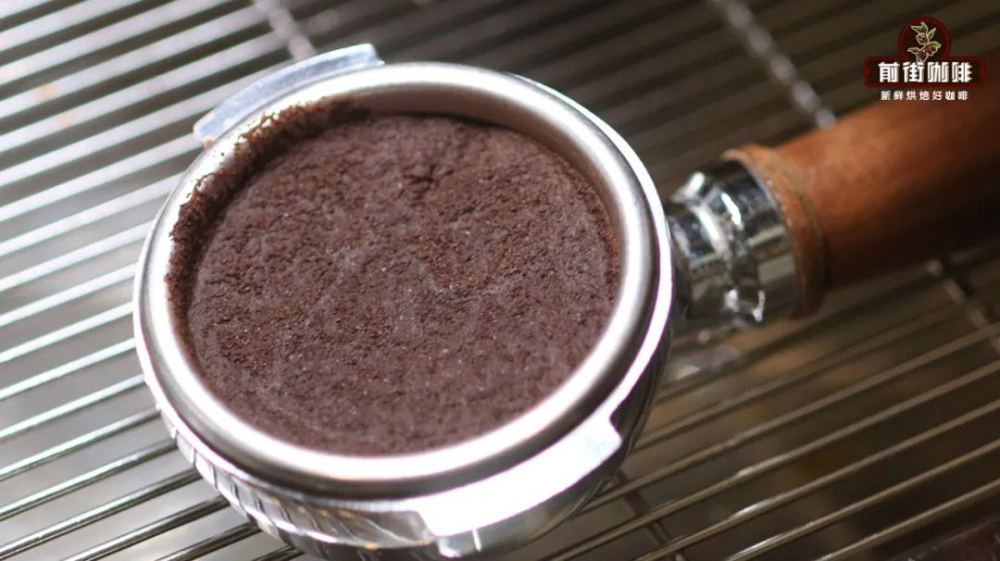
2. Coffee Beans Stored Too Long, Loss of CO₂
Another less immediately obvious cause is coffee bean freshness. Especially in home or small-batch brewing scenarios, a bag of espresso beans might be used for over a month, during which time the CO₂ inside gradually dissipates. When coffee beans still contain gas, the hot water penetrating the puck causes the beans to expand and fill gaps, helping to regulate the flow rate.
However, once the CO₂ in the beans has largely dissipated, under the same grind size, the coffee bed cannot expand effectively, and water flows through more quickly. Attempting to adjust the extraction time by grinding even finer in this scenario can easily lead to an overly dense puck and restricted water flow, ultimately causing water pooling.
3. Excessive Distance Between Puck and Shower Screen
Understanding the extraction mechanism of an espresso machine can help uncover another potential cause of water pooling in the portafilter. When you press the extraction button, the brew head sprays water out at9barhigh pressure, which is then dispersed by the shower screen into multiple fine streams that uniformly pass through the coffee puck. At the end of extraction, the pressure relief valve opens, using back pressure to suck excess water off the surface of the puck and expel it.
However, if there is insufficient coffee grounds in the portafilter, a larger gap may form between the puck and the shower screen. When this gap is too big, some water cannot be promptly reabsorbed, leading to residual water pooling at the bottom of the portafilter. It’s recommended to observe whether the top surface of the puck is level with the inner groove of the portafilter; if it’s noticeably below the groove, it indicates insufficient coffee dose, which may be causing the issue.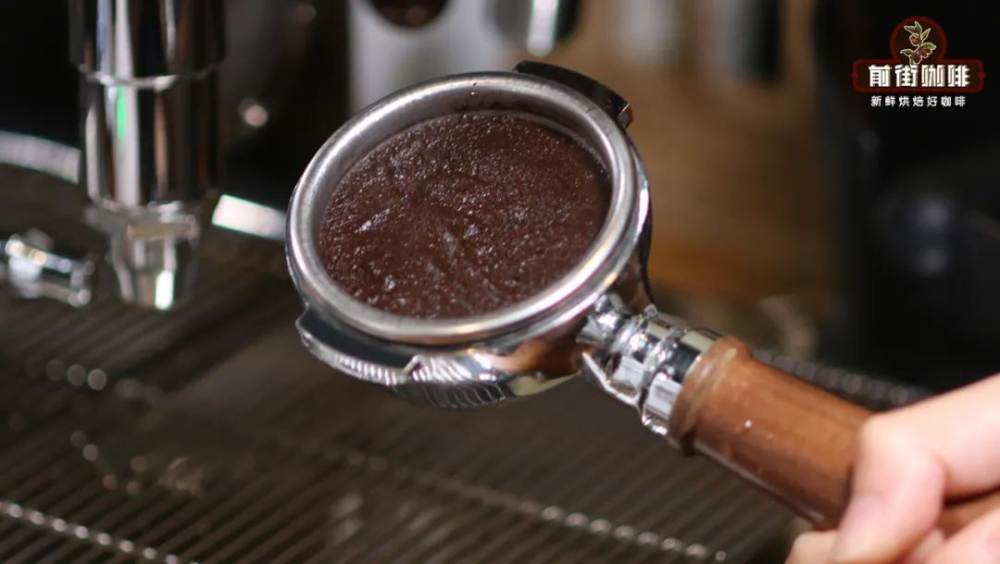
4. Unstable Extraction Pressure
Finally, the stability of extraction pressure is also a key factor affecting water pooling in the portafilter, especially common in some home espresso machines. Ideally, extraction should maintain stable high pressure to ensure even water flow through the coffee puck. But if the machine experiences a significant drop in pressure during the latter part of extraction, the suction force during the backflow phase also weakens, preventing complete removal of residual water in the puck and resulting in pooling.
To address such issues, in addition to regularly checking the machine’s pressure performance, you might consider upgrading to equipment with better pressure stability or closely monitoring pressure changes during extraction to ensure overall stability throughout the brewing process.
The above content is compiled by CoffeeHunters, a coffee news website.


