








Introduction:The flavor of pour over coffee changes with temperature, revealing different layers, but do you know which temperature range best showcases the delicate nuances of the coffee? This article delves into how temperature affects the perception of acidity, sweetness, and bitterness, and provides practical suggestions on the optimal timing for tasting, allowing you to capture the unique flavor evolution of each pour over cup from hot to cool.
During the tasting process of pour over coffee, it’s common to hear the advice “drink it from hot to cool,” and this actually has scientific reasoning behind it. As the temperature of the coffee gradually decreases, our taste buds’ sensitivity to acidity, sweetness, and bitterness also undergoes subtle changes, which in turn affects the overall flavor profile.
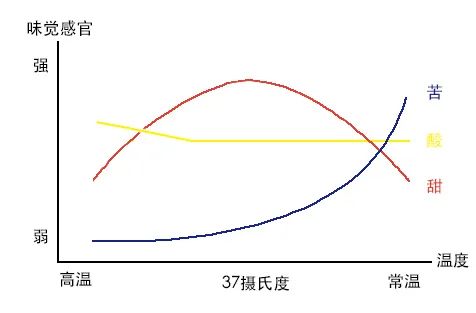
The Impact of Temperature on Taste Perceptionis a subject worth exploring in depth. Studies show that our taste buds become less sensitive to sweetness at temperatures above 50°C and below 35°C, while sensitivity peaks in the range close to human body temperature (around 37°C).

Many coffee enthusiasts have heard the saying “tasting coffee should be done from hot to cool.” This approach to tasting does make sense, but the key lies in systematically observing how the flavors shift at different temperatures. After starting your tasting at a high temperature, you shouldn’t rush to finish the cup in one go. Instead, allow the coffee to cool naturally and then experience its flavor evolution in stages.
Specifically, when the coffee is in the high-temperature stage (approximately 85–70°C), we tend to more easily perceive bright acidity and aromatic characteristics; as the temperature drops to the medium range (approximately 65–50°C), sweetness and flavor complexity become more pronounced; and when the temperature continues to fall to the low range (approximately 45–35°C), bitterness and body become relatively more prominent, though the overall flavor may seem duller.
To fully experience the potential of a pour over coffee, it is recommended to adopt a “step-by-step tasting method”: first take small sips of the coffee at a high temperature, paying attention to its volatile aromas and initial acidity; wait about 3–5 minutes for the coffee to cool naturally to the medium temperature range, then taste again to perceive sweetness and flavor balance; finally, complete the tasting in the low-temperature range (but still within a drinkable temperature range), observing the overall flavor’s convergence.
It’s worth noting that individual taste sensitivity varies, and different regional coffees also perform uniquely at various temperatures. Therefore, it’s recommended that enthusiasts keep their own tasting records, noting the flavor characteristics perceived at different temperatures, gradually developing a keener sensitivity to temperature variations.
In summary, the best time to enjoy pour over coffee is not fixed at a single temperature point, but rather the entire journey from high to low temperature. Through systematic observation and recording, you’ll gain a more comprehensive understanding of the potential flavor qualities of the coffee in your cup, and identify the temperature range that best suits your personal taste preferences.
The above content is compiled by CoffeeHunters, a coffee news website.


