








Introduction:Starting from the humorous anecdote of a netizen mistakenly writing "coffee" as "office", this article explores common knowledge misconceptions and displays of pretension in coffee culture. It takes you through the historical shift of coffee from an elite-exclusive beverage to a drink for the masses, analyzes prevalent cognitive biases in the specialty coffee era, and offers practical tasting advice to help readers maintain an open mindset while enjoying coffee.
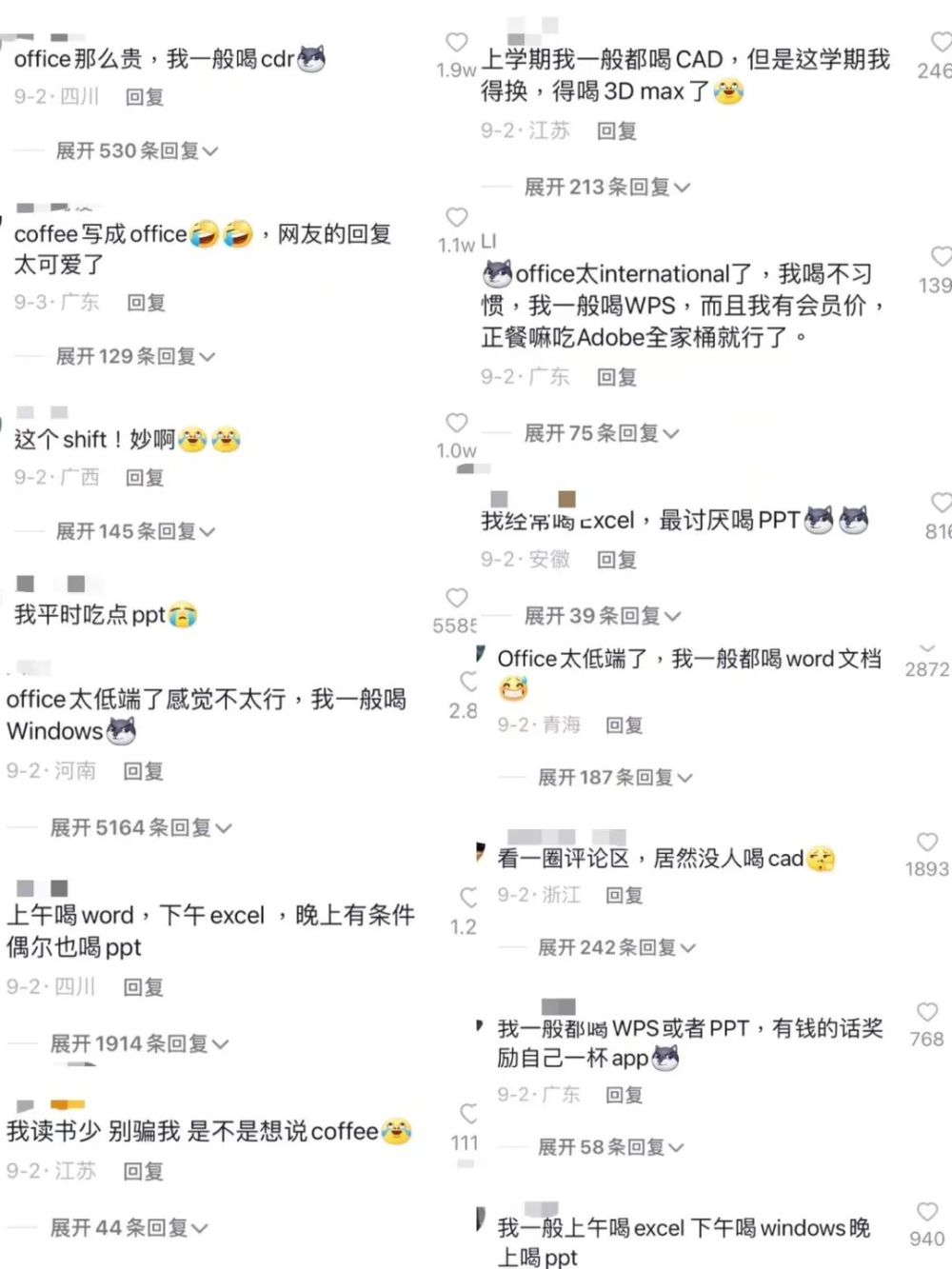
A recent online anecdote has gone viral: a netizen who had just returned to China posted asking, "Don’t you all usually drink office?" This slip of the tongue, mistaking "coffee" for "office", instantly sparked heated discussion. This little episode perfectly reflects an interesting phenomenon in contemporary coffee culture—many people are eager to showcase their so-called "expertise" on coffee, yet often fall into various misconceptions.
The phenomenon becomes even more evident in professional settings: some insist on ordering an "SEO" (actually SOE, Single Origin Espresso) when placing orders, or even confuse the judging criteria of pour over competitions by thinking that adding ice stones or using special processing methods equates to championship-level quality. These instances highlight that there are still numerous fundamental concepts within the coffee enthusiast community that need clarification.

Looking back at history, since coffee was introduced to Europe from Africa in the 15th century, it remained a luxury exclusive to the nobility for centuries. Due to limited roasting techniques at the time, coffee flavors were far less refined than they are today, and sugar was even harder to come by. Interestingly, even when the quality was average, drinkers would deliberately adopt elegant manners to project an image of "deep connoisseurship".
As coffee gradually became accessible to the general public, drinking it started to symbolize social status. Especially after the rise of coffeehouses in the late 19th century, although prices were no longer prohibitively high, for most people it remained an occasional "special treat". This scarcity turned each coffee-drinking occasion into a social activity worth showing off.
Today, coffee has become as everyday as tea. Yet with the rise of specialty coffee culture, a new "knowledge competition" has quietly emerged. From extraction parameters (such as recommended pour over water temperature of 90-96°C, coffee-to-water ratio of 1:15-1:17) to flavor descriptions (like citrus notes, caramel aroma), every detail can become a focal point of discussion.
Faced with this phenomenon, it is advised to adopt a more open learning attitude. If you encounter terminology confusion (such as mistaking SOE for SEO), don’t hesitate to directly ask a professional barista; if you have questions about competition formats, you can familiarize yourself with the rules of international events like the WBC. It’s worth noting that every contestant has undergone long-term training—their technical accumulation is by no means as simple as it may seem on the surface.
In terms of practical advice, beginners can start by mastering basic brewing parameters: for pour over, a medium-fine grind (similar to superfine sugar) is recommended, with a blooming time of around 30 seconds; the ideal extraction time for espresso is 25-30 seconds. These parameters can help establish a stable foundation for tasting and avoid being overwhelmed by excessively complex terminology.
Coffee is inherently an inclusive beverage. Whether in a specialty coffee shop or at a street-side stall, it can display unique charm. What’s important is understanding its nature as an agricultural product, appreciating the flavor differences brought by various processing methods (such as natural sun-dried or washed), rather than using it as a tool for showing off. Truly coffee-savvy individuals often focus more on sharing than comparing.

With the increasing spread of knowledge, more and more consumers are beginning to pay attention to professional dimensions such as coffee origin characteristics and roast levels—a trend that is worth encouraging. But it’s suggested to maintain a lifelong learning mindset, remembering that the world of coffee is vast and boundless—from basic brewing techniques to complex cupping scores, every stage holds content worth exploring.
The above content is compiled by CoffeeHunters, a coffee news website.


