







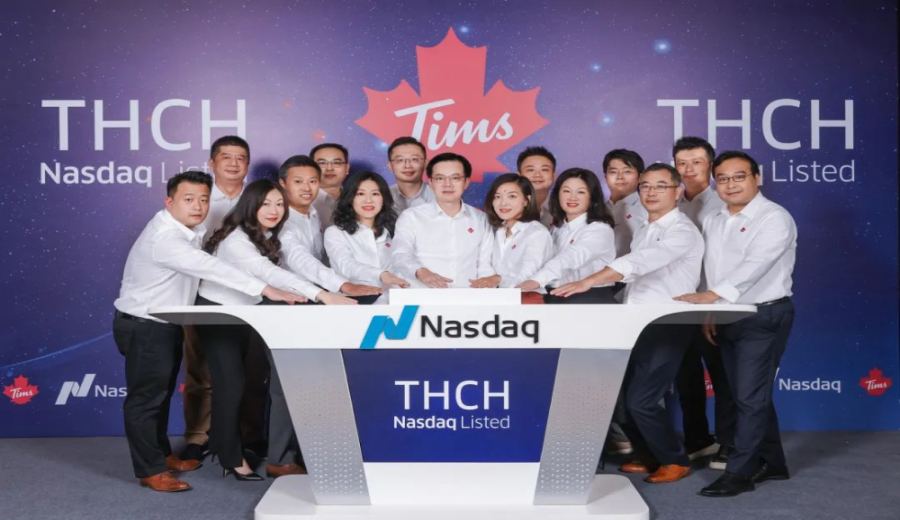
Introduction:Tims China successfully listed on the NASDAQ through a SPAC merger, raising nearly $200 million in funding, marking the first such case in China’s coffee industry. Since entering the Chinese market in 2019, the brand has expanded to over 400 stores and plans to grow to 2,750 locations by 2026. This article provides an in-depth analysis of its listing model, financial performance, expansion strategy, and market positioning, helping readers understand how this North American coffee brand is writing a new chapter in China.
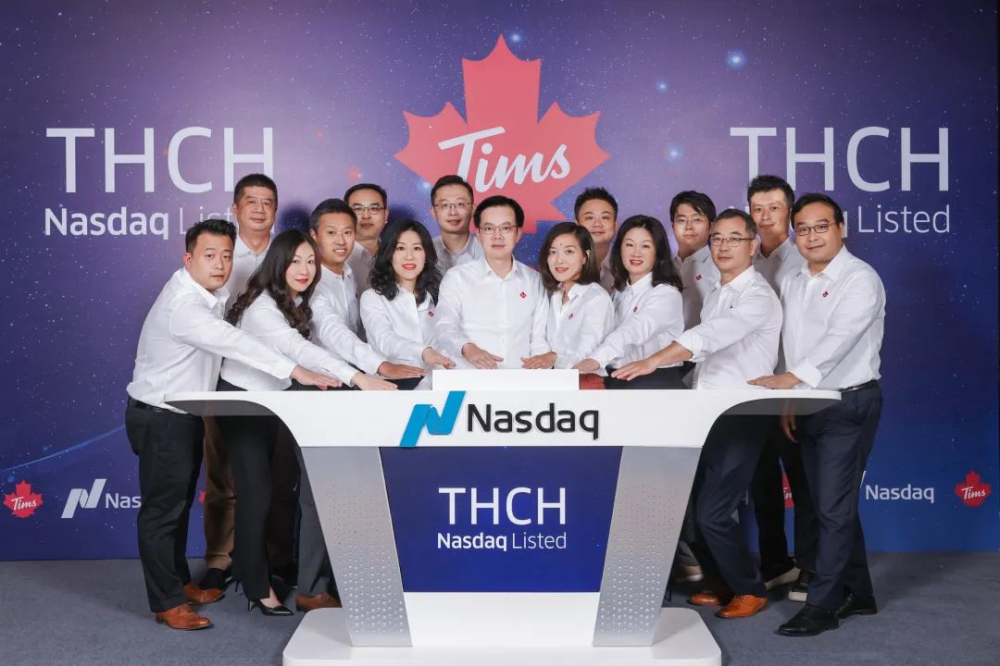
On September 29, 2022, Tims China officially listed on the U.S. NASDAQ via a Special Purpose Acquisition Company (SPAC), with stock ticker symbols "THCH" and "THCHW". The total funds raised were close to $200 million, making it the first coffee brand in China to go public through a SPAC structure.
The listing was led by U.S.-based SPAC company Silver Crest. The two parties held a special shareholders' meeting on August 18 to approve the merger proposal, and the completion of the merger was officially announced at 9:00 PM Eastern Time on September 28. Through a combined "SPAC + PIPE (Private Investment in Public Equity)" model, Tims China not only successfully secured the necessary capital but also demonstrated its ambition for accelerated expansion.
A SPAC, or Special Purpose Acquisition Company, is a listed "shell company" with no actual business operations. Its primary purpose is to identify and merge with promising target businesses, enabling them to quickly go public and raise funds. Typically, a SPAC has a two-year deadline to find a merger partner, and the transaction must be approved by shareholder vote. If a merger is not completed within the set timeframe, the SPAC will be liquidated, and investors can get their capital back.
Compared to traditional IPOs, the SPAC process is simpler, faster, and generally has a higher success rate, making it attractive to companies eager to enter the capital market. However, this model also carries risks — for instance, some SPACs lack long-term development strategies after merging, which can lead to poor subsequent performance.
In this merger, about 99% of Silver Crest's shareholders opted to redeem their shares, totaling over $343 million. However, the final redemption rate was 96%, around $331 million. To ensure the deal proceeded smoothly, Tims China supplemented the minimum required $175 million in cash through PIPE financing and signed an agreement with a strategic investor who committed to purchasing up to $100 million of the company’s shares within three years of the merger’s completion.
Tims China is the operating entity of the Tim Hortons brand in the Chinese market. It was jointly established in 2018 by Restaurant Brands International (RBI), the parent company of the well-known Canadian coffee chain Tim Hortons, and Cartesian Capital. The first Tims store in China opened on February 26, 2019, in Shanghai’s People’s Square.
Initially, the brand set a goal of opening 1,500 stores in China within ten years. However, according to recent comments by Tims China CEO Lu Yongchen, the target has been revised to “2,750 stores by 2026.” Currently, Tims has over 400 stores in China, meaning it needs to add more than 500 new stores per year on average — an expansion pace of almost one new store every 36 hours.
This aggressive expansion rhythm gives Tims China a development path somewhat similar to that of Luckin Coffee in its early years — rapid store openings accompanied by ongoing pressure from sustained losses. According to data disclosed by Silver Crest, Tims China’s revenue from 2019 to 2021 was RMB 57.257 million, RMB 210 million, and RMB 640 million, respectively. Its main sources of income include sales from company-operated stores, franchise fees, other franchise-related businesses, and e-commerce channels.
However, despite significant revenue growth in 2021, net losses also widened, with cumulative losses exceeding RMB 600 million over the three years. The main reasons included the impact of the pandemic on operations and rising costs of raw materials such as coffee beans. Even so, Tims China did not slow down its store expansion, instead improving per-store efficiency through precise site selection and data analytics, and emphasizing a product strategy of “coffee + warm food” to strengthen its differentiated competitiveness.
In terms of product offerings, Tims China adopts a comprehensive approach of “coffee + desserts + light meals.” In addition to traditional espresso-based drinks, it also serves donuts, grilled sandwiches, and other light meals, with prices ranging between 15 and 30 yuan. Its market positioning lies between Starbucks and boutique coffee brands. Moreover, the brand attracts younger consumers and boosts brand loyalty by creating esports-themed stores and collaborating with anime IP stores.
Regarding store location strategy, Tims China often chooses sites near Starbucks to capture customer segments not fully served by that brand. Its store interiors are brighter and more vibrant than those of Starbucks, creating a warmer “third space” atmosphere that enhances customer dwell time and social experience.
Notably, Tims China’s pricing strategy in China is relatively higher compared to its low-price, fast-consumption positioning in the Canadian market. While this may pose a challenge to market acceptance initially, it also reflects the brand’s strategic focus on capturing the mid-to-high-end consumer segment.
Facing continued expansion alongside losses, Tims China emphasizes improving operational efficiency and brand visibility through diversified store formats and scaled deployment. CEO Lu Yongchen pointed out that the brand utilizes advanced analytical technologies for scientific site selection and promotes the “coffee + warm food” combination to meet consumers’ dual demand for cost-effectiveness and high-quality dining experiences.
This strategy effectively fills the market gap left by high-value-for-money brands like Luckin, which lack comfortable dining environments, and premium brands like Starbucks, which have higher price points. It allows Tims China to carve out a unique position in China’s competitive coffee market.
As Tims China officially debuts on the NASDAQ as the “first Chinese coffee SPAC,” the market will be watching closely whether it can replicate its North American success in the fiercely competitive Chinese market and achieve its ambitious goal of 2,750 stores by 2026.
The above content is compiled by CoffeeHunters, a coffee news website.


