







Introduction:Many coffee enthusiasts wonder whether light roast beans can be used to make espresso. This guide will thoroughly analyze the key operational variables and actual flavor profiles. Starting with common extraction issues, it delves into three core adjustment techniques—grind size, coffee dose, and extraction pressure—and uses practical examples of beans from different origins to illustrate the unique taste characteristics of light roast espresso, helping readers evaluate whether this unconventional combination is worth trying.
Applying light roast coffee beans to espresso extraction is a topic that many coffee lovers are eager to try but hesitant about. Can this combination deliver ideal flavors? This article breaks down practical essentials from a professional perspective, analyzes the root causes of excessive acidity, and systematically explains the correct calibration directions for three key elements: grind fineness, coffee dosage, and extraction pressure. It also includes recommended beans for different flavor preferences, and concludes with a detailed description of the flavor profile of light roast espresso to help you decide whether to give it a try.
The truth behind the high acidity often found in light roast espresso
Traditional espresso mostly uses medium to dark roast beans, primarily because light roast beans naturally contain a higher proportion of acidic compounds. When these components are concentrated into a small-volume beverage under the high-pressure environment of nine atmospheres, the acidity is amplified, resulting in an overly sharp taste. In contrast, medium to dark roast beans offer better balance, not only producing moderate crema but also allowing the bitter-sweet flavors to form a harmonious structure with the acidity.
Common extraction mistakes and corresponding solutions
Many users directly apply parameters meant for dark roast beans when making light roast espresso, leading to common issues: not adjusting grind fineness results in overly fast flow (light roast beans have lower expansion rates), maintaining the original coffee dose leads to insufficient puck density (affecting extraction stability), and using high pressure settings causes unwanted extraction of impurities (resulting in woody off-flavors). Practical advice is to adjust gradually: first fine-tune the grinder setting by about 0.3 units (based on a standard adjustment range of ±0.05), observe changes in puck thickness, and accordingly increase the coffee dose (usually 1–2 grams more than for dark roast), finally controlling the extraction pressure within the 6–7 bar range to achieve a smoother flavor profile.
Practical details for adjusting key parameters
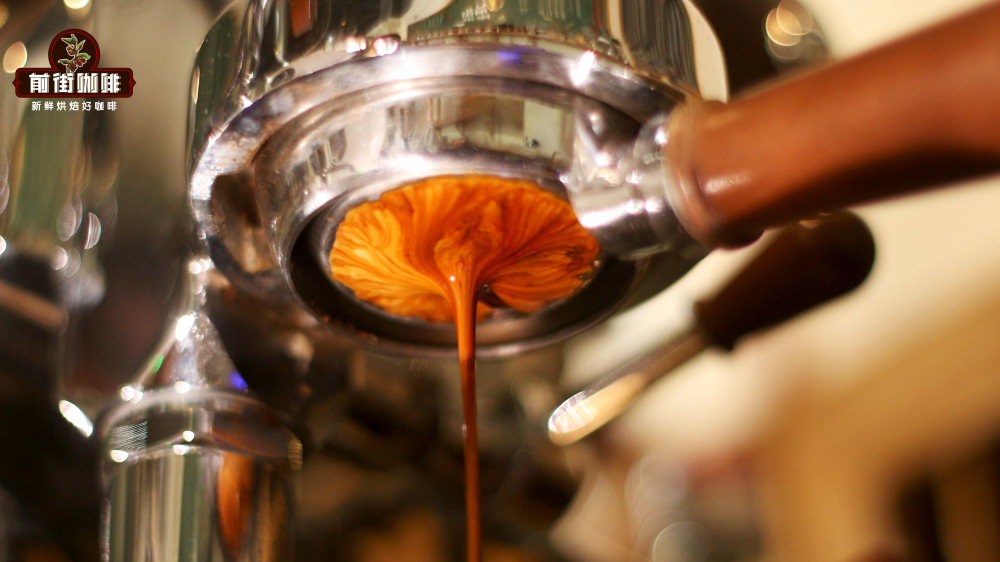
Successful light roast espresso follows basic ratio principles: maintain a 1:2 coffee-to-water ratio, with an extraction time between 25–30 seconds. During actual operation, pay attention to the interplay between grind fineness and coffee dose—finer grinding reduces puck volume, so the coffee dose must be increased accordingly to ensure sufficient extraction surface area. It’s recommended to observe flow rate changes during extraction: the ideal state should be a uniform stream of amber-colored liquid. If a golden, coarse stream appears, the grind is still too coarse; if the flow is too slow or even stops, the grind may be too fine.
Diagnosing extraction issues at different stages
Common abnormalities during initial adjustment stages include: overly fast extraction leading to sharp and thin flavors (flow rate greater than 3 drops per second), over-extraction causing bitter and astringent off-flavors (extraction time exceeding 35 seconds), and puck channeling resulting in localized over-extraction and water marks. It’s advised to adjust only one variable at a time (e.g., correct grind fineness before adjusting coffee dose), and record the extraction parameters and flavor outcomes after each change, gradually establishing your personal optimal parameter set.
Flavor performance differences among tested beans
Depending on roast level and origin characteristics, light roast espresso presents diverse flavor profiles. Medium-light roasted washed beans often showcase bright citrus acidity and honey sweetness, and with proper pressure control, can produce layers similar to citrus marmalade; medium-roasted natural beans exhibit blueberry fruitiness and a black sugar finish, suiting those who prefer sweeter flavors. It’s worth noting that light roast espresso generally has lower body compared to dark roast beans, but some origin beans can still deliver a texture akin to yogurt and a lingering salted caramel aftertaste.
Final flavor profile and usage recommendations
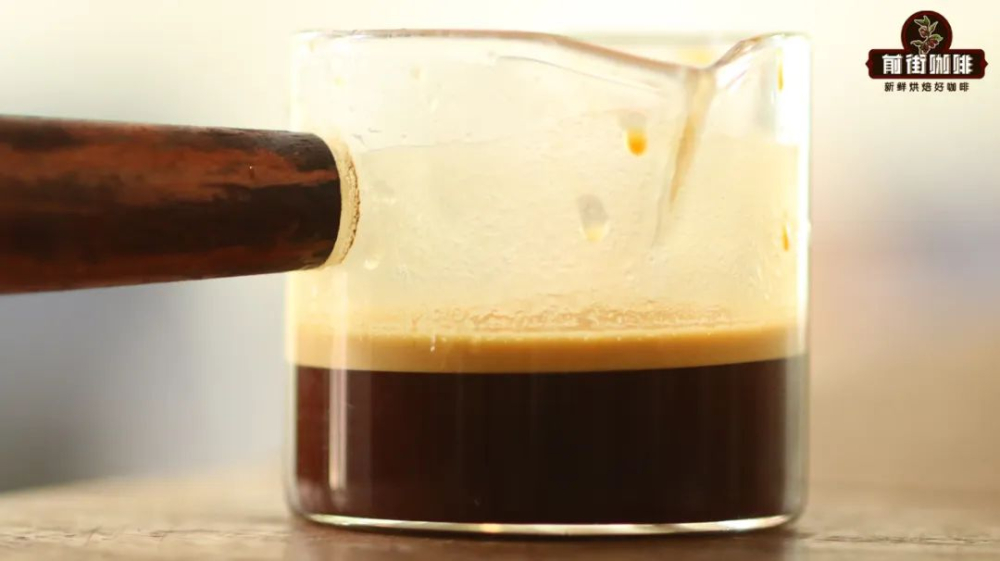
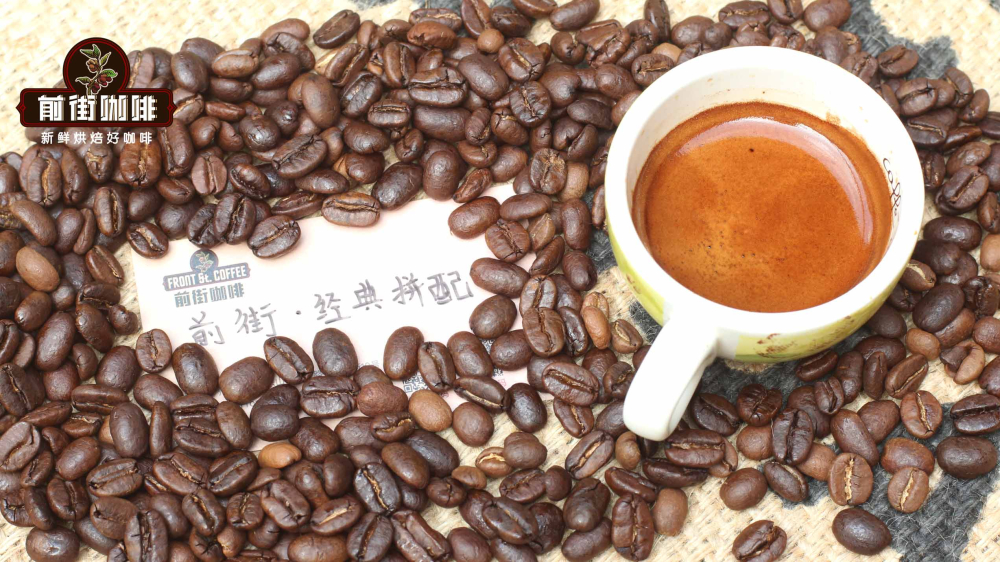
A well-calibrated light roast espresso will display vivid fruity acidity, paired with moderate mineral salinity and a tea-like aftertaste. When consumed straight, it offers a clear contrast between acidity and sweetness, but lacks the rich crema coating of traditional dark roast espresso. When diluted with hot water as an americano, the acidity transforms into a more layered, bright profile, with caramel and nutty sweetness emerging in the mid-to-late sips. It’s not recommended for milk-based drinks, as the fresh floral and fruity notes of light roast beans can easily be masked by milk fats. Focus instead on pure black coffee or solo enjoyment.
The above content is compiled by CoffeeHunters, a coffee news website.


