







Introduction:In recent years, coffee and beverage brands have frequently collaborated across industries to capture consumer attention, not only generating buzz but also expanding their customer base. Luckin Coffee is set to partner with the popular anime series “JoJo’s Bizarre Adventure: Stone Ocean” for a limited-time campaign. This article provides a detailed overview of the collaboration strategies employed by brands such as Luckin, Manner, HEYTEA, and Nayuki, analyzing how they attract market attention through differentiated partnerships and offering industry insights to help readers better understand the trends and operational details of brand collaborations.
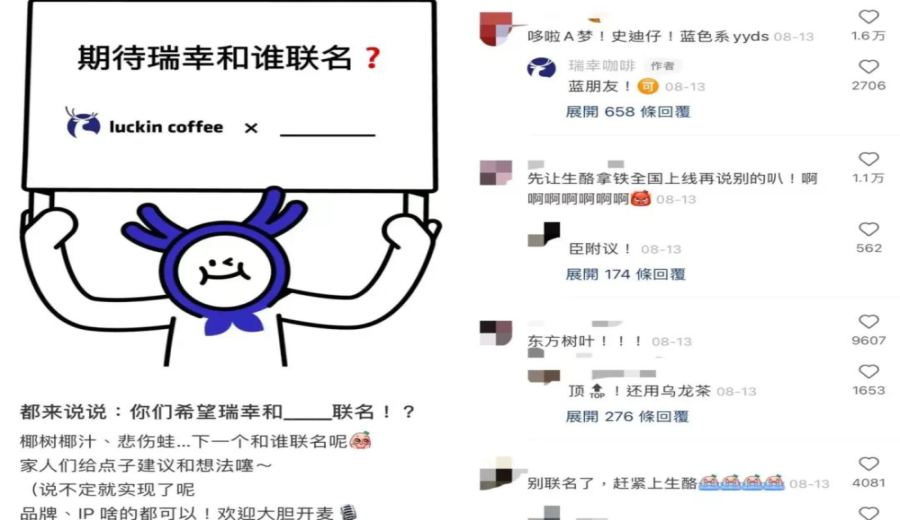
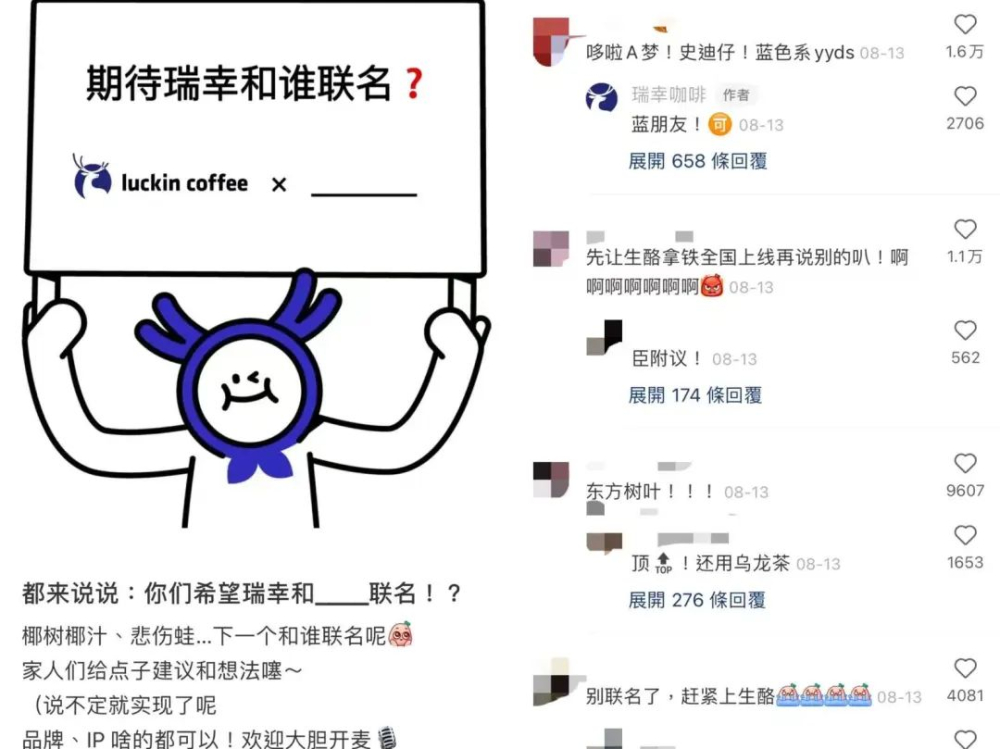
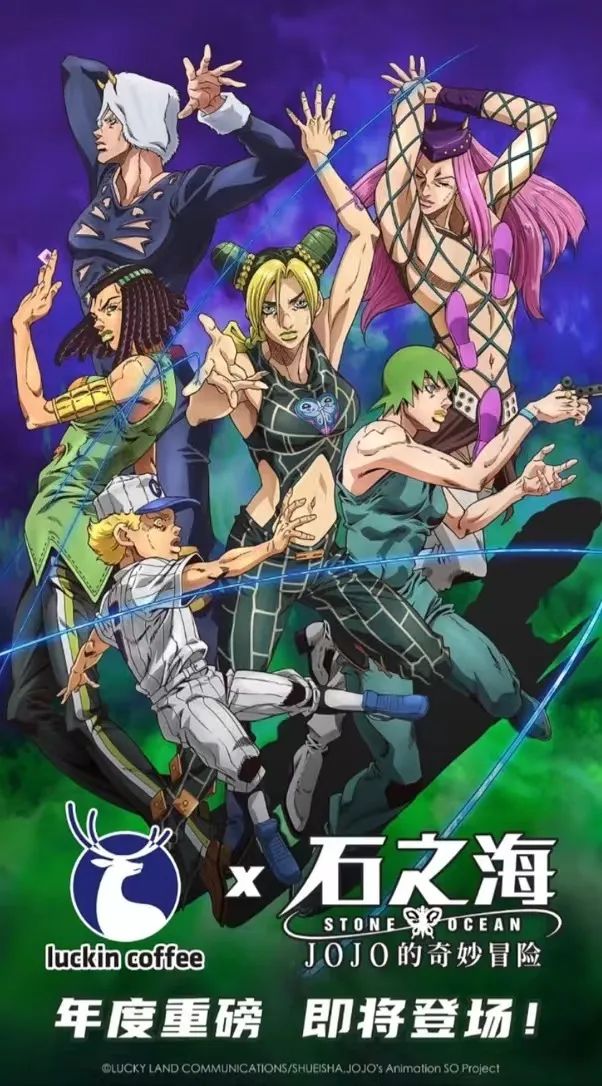
On September 23, Luckin Coffee officially announced its nationwide collaboration with the hit Japanese manga series “JoJo’s Bizarre Adventure: Stone Ocean,” launching in October. This marks yet another successful cross-industry move by the brand. As early as April this year, Luckin created a market sensation with its “Coconut Cloud Latte,” a product developed in partnership with well-known beverage brand Yeshu. Utilizing “ring molecule encapsulation technology,” the drink replaces traditional whipped cream with rich coconut milk to create a silky, cloud-like texture. On its first day of launch, it sold 660,000 cups.
In addition to Yeshu, on April 25, Luckin also announced a collaboration with China’s top esports team EDG. Beyond launching limited-edition cup sleeves and EDG digital medals, the brand created a themed store in Shanghai that integrated tournament elements and interactive experiences, attracting a large number of fans to visit and take photos. These collaboration cases show that by choosing popular IPs or communities, brands can effectively boost exposure and engagement.
Cross-industry collaborations are not exclusive to the beverage industry. In recent years, tea beverage brands have also actively sought partnerships across sectors to create novel consumer experiences. For example, HEYTEA collaborated with the popular period drama “Dream of the Red Chamber: A Dream to Remember” in June 2023, launching two limited-edition drinks — “Menghua Tea Xi · Dian Cha” and “Perilla · Pink Peach Drink” — priced affordably at 19 RMB and 15 RMB respectively. These were accompanied by pop-up stores, themed merchandise, and in-store decor to create an immersive brand experience. On the first day of launch, sales exceeded 300,000 cups.
Another tea brand, Nayuki Tea, chose to collaborate with the hit drama “Savage Beauty” (original Chinese title: 苍兰诀), launching a drink called “Dominating Oriental Pomegranate.” It sold 10,000 cups within just 8 minutes of going on sale, setting a strong sales record. The collaboration series also introduced a range of finely crafted merchandise, including cup sleeves, tote bags, and phone stands featuring classic scenes from the drama. The design of the cup sleeves was inspired by the “Book of Fate leaves” and depicted the main characters in the Shuiyun Tian scene, making them highly collectible. Additionally, Nayuki set up themed stores in five major cities — Beijing, Shanghai, Guangzhou, Shenzhen, and Hangzhou — using interactive activities to engage fans and further strengthen brand loyalty.
The rise of brand collaborations as a trend is largely driven by intensified market competition and diversified consumer demands. Partnering with well-known brands or IPs from different fields not only creates buzz but also helps reach consumer segments that would otherwise not intersect, achieving complementary audiences. For instance, Manner Coffee, as an emerging brand, collaborated with premium skincare brand HR Helena this summer to launch a “One Cup of Green Return” matcha ice cream-flavored latte, which caused the system to crash temporarily due to limited supply. Shortly after, Manner partnered with luxury brand Louis Vuitton to release two “LV Runway Custom” coffee cups, successfully drawing attention from fans of both brands.
Observing many collaboration cases in recent years, one can see that the key to success lies in selecting partners that align with the brand image and are highly topical, while fully integrating the characteristics of both parties in product design, packaging, and marketing. For example, Luckin’s choice to collaborate with the anime IP “JoJo’s Bizarre Adventure: Stone Ocean” was based on the series’ massive global fanbase, which could attract the attention of specific age groups and interest communities. At the same time, the limited-edition products and themed stores also effectively enhanced consumer participation and brand recall.
However, not every brand collaboration is successful. Some partnerships may trigger a buying frenzy on the launch day, but due to a lack of long-term planning or insufficient appeal of the product itself, they fail to leave a lasting impression. Therefore, how to create buzz while deepening consumer experience during the short collaboration period is a critical issue brands must carefully consider.
In summary, from Luckin’s anime collaborations and Manner’s luxury crossovers to HEYTEA and Nayuki’s partnerships with film and TV IPs, brands are using well-thought-out cross-industry strategies not only to break through the homogenization of the market but also to deliver new sensory and emotional experiences to consumers. In the future, as consumer demand for personalization and emotional connection continues to grow, cross-industry collaborations are expected to become an important marketing tool for brands.
The above content is compiled by CoffeeHunters, a coffee news website.


